We know that any particular food can’t ‘fix’ hormone-related issues, but we do know with relative certainty that a balanced diet can support the systems in the body that’s responsible for hormone production and consequently support women’s hormone health. Here’s how to incorporate them into your lifestyle.
ALSO SEE: Tips for a longer, healthier life
There is no single ‘hormone-balancing’ food that’ll be miraculous for your hormonal health. However, you can follow a varied diet that’s rich in fibre, plants, healthy fats and protein that will support your overall health during perimenopause and menopause.
Phytoestrogens are naturally occurring plants compounds with a chemical structure that’s quite similar to oestrogen. In a phase of your life when oestrogen is on the decline, it makes sense to consume foods to support your hormones – and soy foods, and flaxseeds are among the best-known sources.
Start the day with fibre
The goal is to combine fibre and phytoestrogens, and an easy way to do this is a breakfast like oats topped with berries, chia seeds and ground flaxseeds. For protein, add some natural yoghurt, and for healthy fats, have a handful of nuts. Fibre supports digestion, blood-sugar regulation and satiety. And this is a valuable part of midlife diet.
Make legumes a lunchtime staple
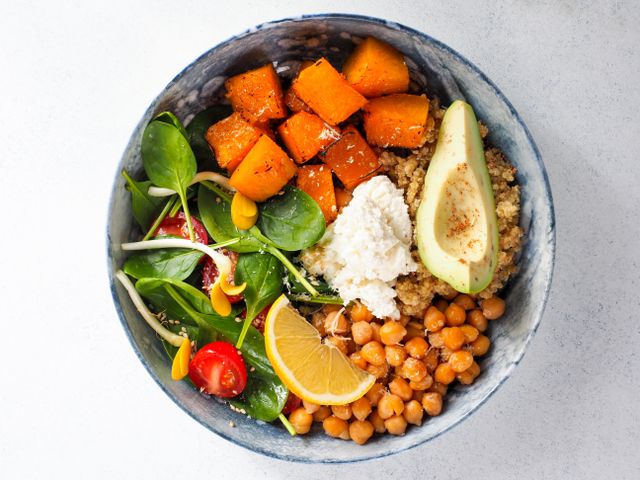
Beans, lentils and chickpeas are excellent sources of fibre and plant protein. It doesn’t have to be boring, though: Try a colourful chickpea and quinoa bowl with some leafy greens, roasted veggies, avocado and tahini dressing. Or you can make a delicious, flavourful lentil soup.
Soy foods like tofu, edamame and tempeh also contain isoflavones, a type of phytoestrogen. It’s important to note that research into whether phytoestrogens directly ease menopausal symptoms remain mixed, but incorporating soy foods into a balanced diet at the very least is a way to diversify your protein sources.
Build a fibre-rich dinner
For supper, you can have grilled salmon or tofu with roasted broccoli, sweet potato and a side of brown rice. Cruciferous vegetables, whole grains, nuts, legumes and seeds all contribute plant nutrients and valuable fibre.
The takeaway
We’re not trying to ‘balance hormones’ with individual ingredients. Think in terms of variety. Build a diet around minimally processed plant foods, adequate protein and lots of fibre. This is a more sustainable approach to supporting health in midlife. Research also links plant-rich, fibre-focused dietary patterns with better weight outcomes around menopause.
ALSO SEE:
Featured image: Pexels