PCOS has become something of a buzzword online. Scroll for long enough & you’ll find reels about “PCOS belly”, hormone-balancing hacks, supplement routines & endless advice about what women with PCOS should & absolutely should not be eating.
And yet, for a condition talked about so much, PCOS is still remarkably misunderstood. So misunderstood, in fact, that this year, a global panel of clinicians, researchers & patient advocates renamed it. Polycystic Ovary Syndrome (PCOS) is now officially known as Polyendocrine Metabolic Ovarian Syndrome (PMOS), a name that better reflects what the condition actually is: not primarily a problem with the ovaries, but a complex hormonal & metabolic condition that can look completely different from one woman to the next.
For some, PMOS may mean irregular periods or difficulty falling pregnant. For others, it can show up as relentless weight gain, thinning hair, acne, excess facial hair, intense cravings or exhaustion. Insulin resistance is also common in women with PMOS & the condition is associated with increased long-term metabolic health risks. It’s worth mentioning that these factors overlap and influence one another, creating a frustrating cycle in which one imbalance may compound another. Then there’s the part that’s harder to put on a blood test: what living with all of this can do to the way a woman feels about herself.
Perhaps one of the most frustrating things about PMOS is how often a complicated condition is met with remarkably uncomplicated advice: “Just lose weight.” For many women with PMOS, you might as well say, “Just change your eye colour.” Because when weight is one of the very things your hormones and metabolism may be increasing, “just lose weight” isn’t much of a strategy.
And therein lies one of the great frustrations of PMOS: there is no single version of it. Insulin resistance may be a major piece of the puzzle for one woman, while another may be grappling more visibly with irregular cycles, androgen-related symptoms, inflammation or a combination of factors.
Which is precisely why PMOS demands a broader view. To support it properly, you first need to understand what is happening in the body, how those different processes interact & why addressing one piece of the puzzle may leave several others untouched. And perhaps that complexity explains why an entire industry has sprung up offering women what appears to be a much simpler answer.
When did PMOS become such big business?
Search for PMOS support online & you’ll find yourself in a very crowded marketplace. Powders, gummies, capsules & brightly packaged blends, often backed by great marketing, promise support for everything from hormones and cravings to weight, skin, hair & fertility. Many feature the same familiar ingredients, & with prices varying enormously, it’s tempting to assume they’re interchangeable. They’re not. What’s on the front of the tub tells you very little about what’s inside it. The form of an ingredient matters. So does the dose, the combination of ingredients, how they work together, the quality of the formulation & the evidence behind the choices being made. It’s one reason a handful of popular botanicals & inositol, however promising individually, may not tell the whole story.
Think of PMOS as a house on fire. Pointing the water hose at one room may make a difference, but if flames are still burning elsewhere, the house is still on fire. As interest in PMOS has grown, so has the number of products marketed to women looking for answers. Slick branding & an impressive ingredient list can make almost anything look convincing online. But supplements aren’t magic, & PMOS doesn’t have a quick fix.
What women deserve is transparency: who developed the product, why particular ingredients & doses were chosen & what evidence supports them. Not products that chase a few symptoms instead of addressing the entire PMOS web.
Setting a higher standard for PMOS support
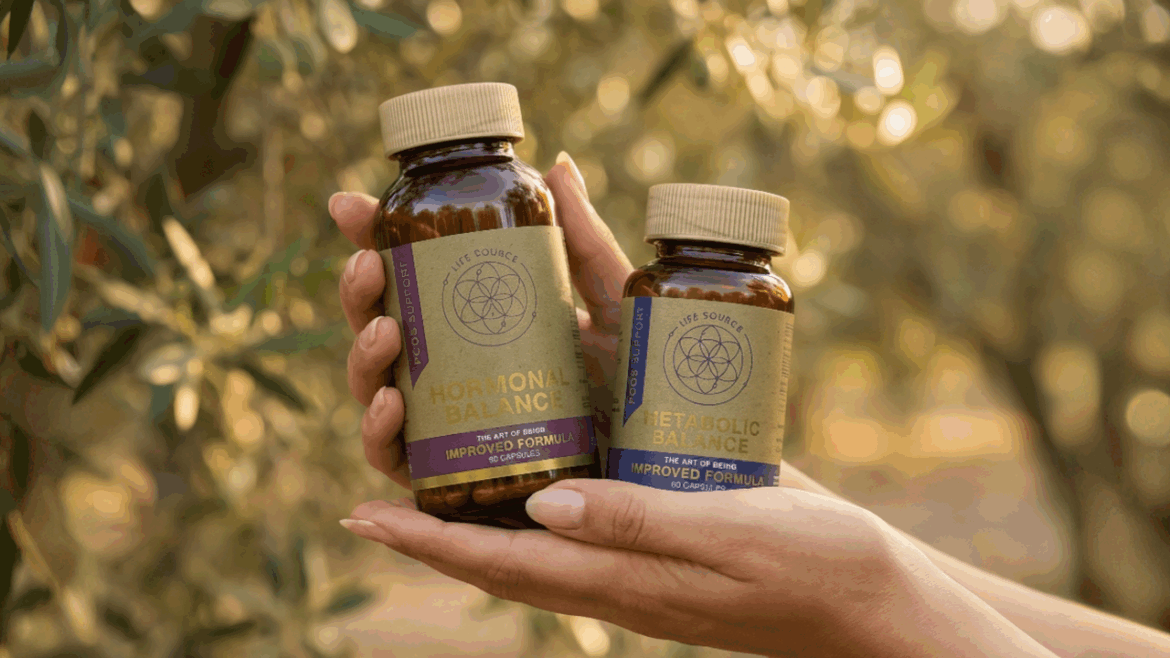
So, in a sea of powders, capsules & promises, what does better actually look like? For Life Source, it starts with fully understanding the condition & refusing to treat it as a trend.
The company grew out of its founder’s own years-long struggle with the condition. At a time when meaningful options were still extremely limited, she turned to Dr Russell Cooper &his 35 years of clinical experience during her most severe flare yet. His approach helped her regain control of symptoms that had, until then, felt almost impossible to manage. That experience became the starting point for Life Source. A comprehensive, thoughtfully formulated approach to PMOS support, shaped by lived experience & decades of clinical insight. The goal was to set a new standard for what PMOS support in South Africa could look like.
PCOS is complex. Its support should be too.
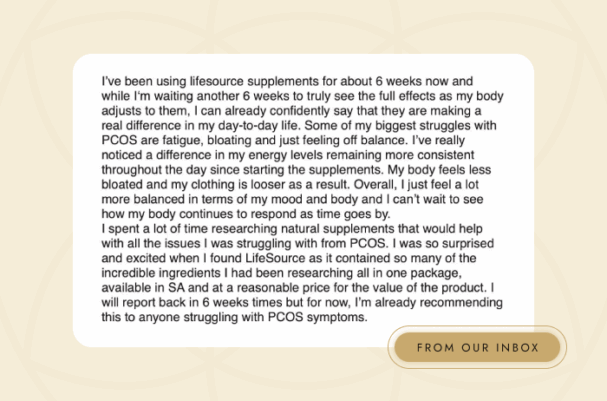
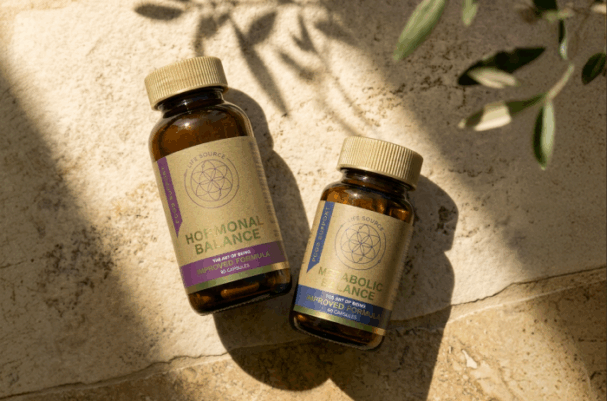
This is ultimately what sets Life Source PCOS Support* apart. PMOS is multifaceted, so we don’t believe meaningful support can be reduced to a few fashionable ingredients in a pretty tub. The Life Source formulas were developed with the bigger picture in mind, recognising the interconnected metabolic, hormonal & inflammatory factors that can be involved in PMOS, carefully selected ingredients in meaningful amounts, chosen for how they work together rather than simply creating the longest ingredient list possible.
It also means Life Source isn’t the cheapest PMOS supplement on the shelf, & we’re comfortable saying that. Quality ingredients at considered doses cost more. But when women are investing in something they take every day to support their health, they deserve to know that every ingredient has earned its place.
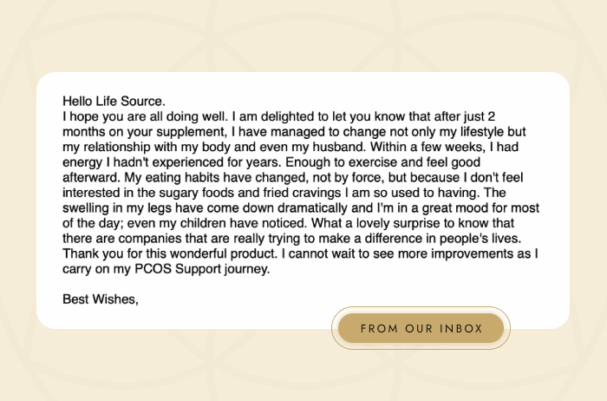
There is no overnight miracle for PMOS, & no responsible company should promise one. But there can be better support, real progress, & times when symptoms that once dominated a woman’s life become dramatically quieter. Life Source was created to raise the standard of PMOS support in South Africa by finally taking its complexity seriously.
*The Life Source PCOS Support name predates the 2026 PCOS-to-PMOS renaming; formulated to support what is now known as PMOS
ALSO SEE:
Featured Image: Supplied