As we step into 2026, more women are redefining what ‘healthy living’ means – shifting from one-size-fits-all solutions toward intelligent, empowered and life-stage–aware choices. Here are some of the biggest trends that will shape women’s health in the coming year.
ALSO SEE: Why AI is the way of the future for women’s healthcare
Hormonal health and life-stage awareness
Women are paying more attention than ever to how hormonal changes affect their bodies. Whether it’s menstruation, fertility, perimenopause or menopause – there’s rising interest in understanding and managing each stage with clarity. This means more open conversations about menopause, better access to tailored healthcare (hormone-balance programmes, cycle-tracking tools, menopause support), and less stigma around female biology.
Strength, functionality and midlife wellness
Long gone are the days when wellness for women meant simply ‘being slim’. In 2026, many women – especially those approaching midlife – will pursue strength training, functional movement, muscle maintenance, bone health and overall physical resilience. This shift supports longevity and quality of life, helping prevent age-related issues like muscle loss, bone density decline or metabolic slow-down.
Personalised wellness powered by tech and data
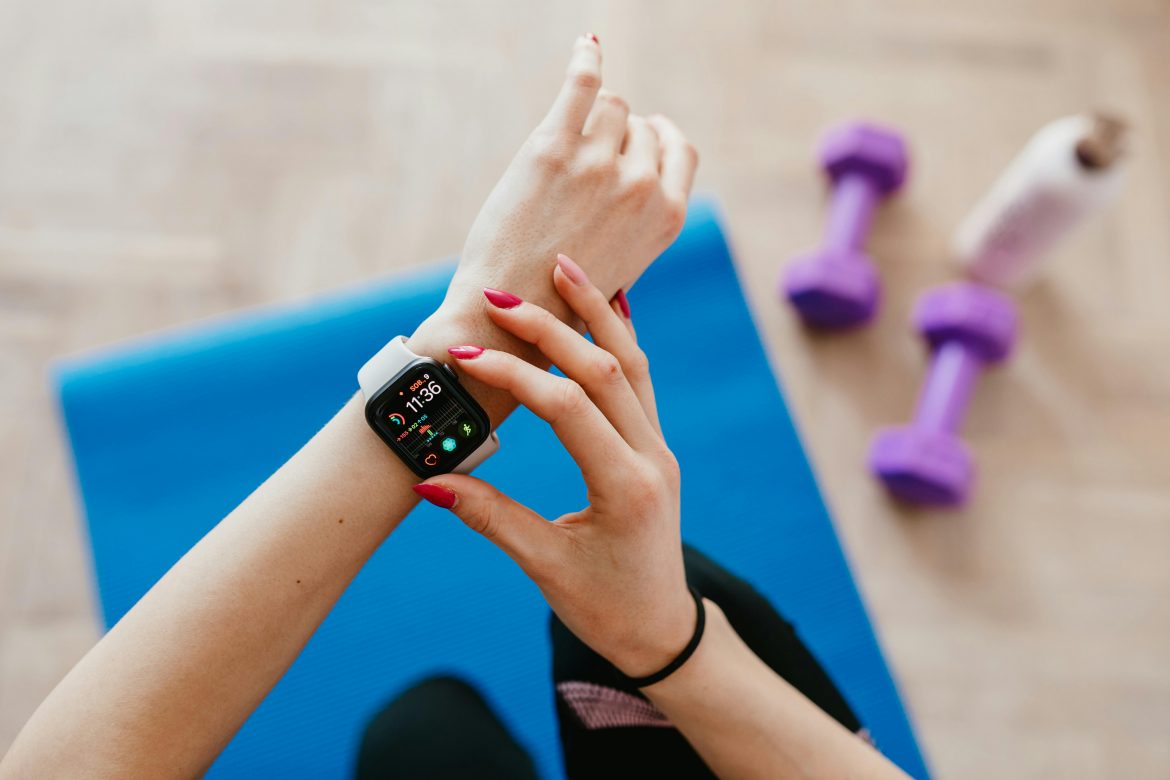
Technology continues to transform women’s health. In 2026, many will embrace personalised care – using wearable devices, apps, and AI-driven tools to track cycles, stress, sleep, hormonal patterns, nutrition and overall wellness. This allows women to understand their bodies and adopt health strategies tailored to their biology, lifestyle and life stage.
Holistic wellness: mind, body and lifestyle integration
2026’s health narrative for women goes beyond isolated habits. A broader, more holistic approach is set to trend – where physical health, mental health, nutrition, rest, movement and lifestyle choices all factor into well-being. This includes nourishing the body through balanced nutrition, managing stress and sleep, nurturing mental health, and embracing movement and practices that support long-term vitality.
Preventive care and lifespan wellness
Rather than waiting for problems to arise, women will increasingly view health as a long-term commitment. Preventive care (including regular screenings, early diagnostics and hormone-stage monitoring) and ‘healthspan’ – not just lifespan – will become key priorities. Medicine, wellness and lifestyle strategies are aligning with this mindset, offering options that support women’s well-being across different ages and phases of life.
ALSO SEE: Wellness on a budget – Staying healthy without over-spending
Wellness on a budget – Staying healthy without over-spending
Featured Image: Pexels