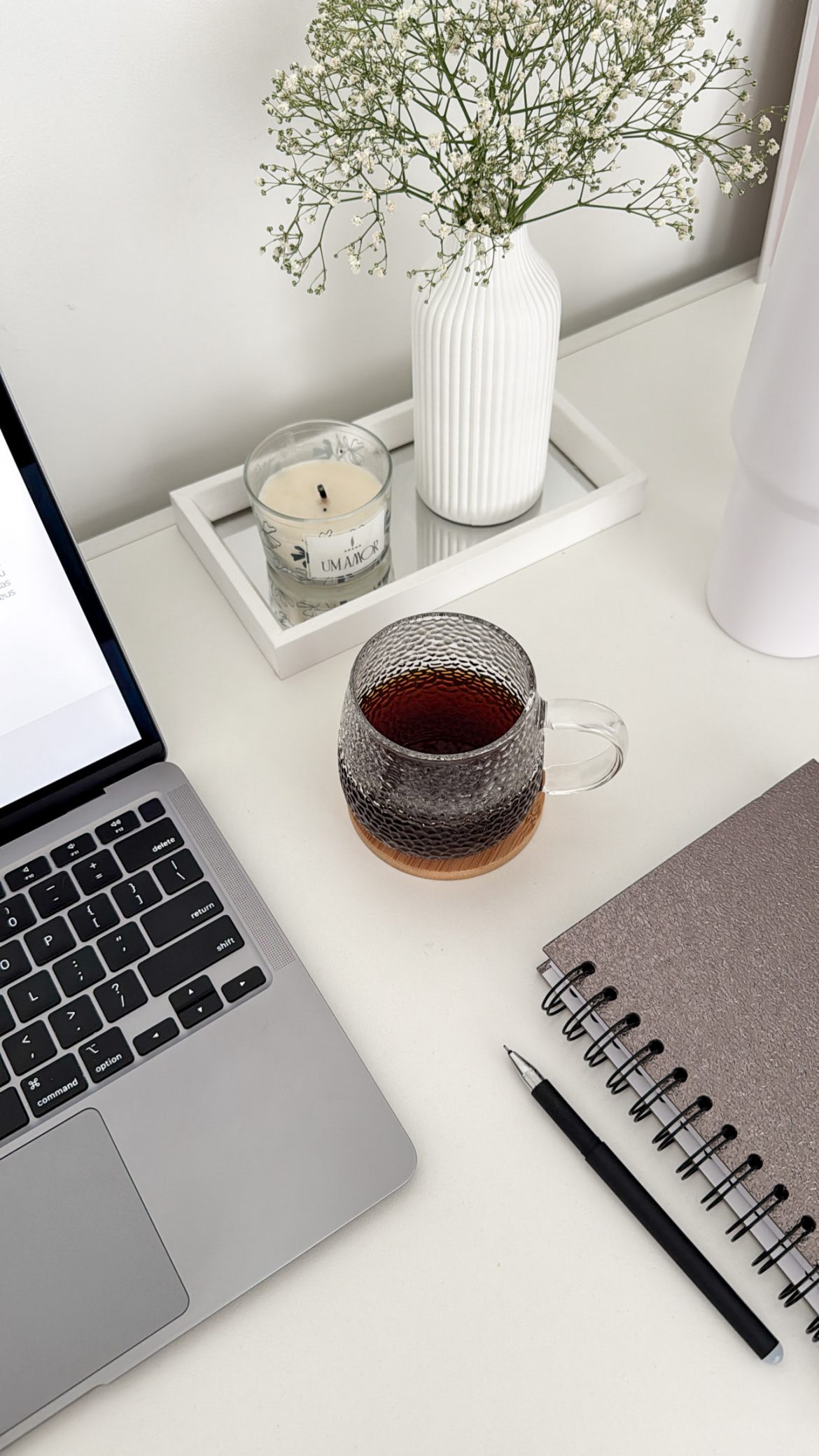
For years, productivity has been loud. Early alarms, packed calendars, endless to-do lists, and a constant pressure to do more. Hustle culture told us that busyness equals success and burnout is just part of the journey. But a new approach is quietly taking shape—one that values intention over intensity and progress over pressure.
Enter quiet productivity.
What is quiet productivity?
Quiet productivity is a way of working that prioritises calm, focus, and sustainability over constant output. It’s about getting meaningful work done without the noise of urgency, performative busyness, or exhaustion. Rather than racing through tasks, quiet productivity encourages you to work with your energy, protect your attention, and create space for deep, thoughtful work.
It’s not about doing less – it’s about doing what matters more effectively, without burning yourself out in the process.
Why loud productivity is failing us
The traditional productivity model often glorifies:
- Overworking and long hours
- Multitasking as a badge of honour
- Being constantly available and “online”
- Measuring success by how busy you look
The result? Chronic stress, creative fatigue, anxiety, and a sense that no matter how much you do, it’s never enough. Especially for creative professionals, this constant noise can block inspiration and diminish the quality of work.
Quiet productivity offers an alternative – one rooted in clarity, self-trust, and long-term wellbeing.
The core principles of quiet productivity
Intentional focus
Instead of juggling ten things at once, quiet productivity invites you to focus on one task at a time. Fewer distractions mean better output and less mental fatigue.
Energy-aware work
Not all hours are equal. Quiet productivity encourages you to work in alignment with your natural energy rhythms—tackling demanding tasks when your focus is highest and leaving lighter work for slower moments.
Calm systems, not chaos
Simple routines, clear priorities, and realistic to-do lists replace overwhelming schedules. The goal is ease, not urgency.
Progress without pressure
You don’t need to rush to be effective. Quiet productivity values consistent, steady progress over dramatic sprints that lead to burnout.
Rest as a productivity tool
Rest isn’t a reward – it’s part of the process. Breaks, movement, and mental pauses are essential for clarity and creativity.
What quiet productivity looks like in practice
- Starting the day with a clear top-three priorities list instead of a mile-long task dump
- Blocking time for deep work and protecting it from interruptions
- Logging off when your work is done, without guilt
- Measuring success by impact and quality, not hours worked
- Allowing slower days without self-criticism
It’s productive, but peaceful. Structured, yet flexible.
Enforcing a softer way to work – without losing efficiency
Soft doesn’t mean lazy, and calm doesn’t mean unambitious. Quiet productivity proves that efficiency thrives in simplicity.
When your mind isn’t overwhelmed, you make better decisions. When your nervous system feels safe, your creativity flows. When you stop pushing against yourself, work becomes something you move through with intention – not resistance.
This softer approach is especially powerful for those navigating anxiety, creative work, or demanding schedules. It creates space to show up fully, without sacrificing your health or joy.
Quiet productivity is a return to presence. It’s choosing depth over distraction, sustainability over speed, and calm over chaos. In a world that constantly demands more, quiet productivity whispers a powerful truth:
You don’t need to do everything loudly to do it well.
Sometimes, the most effective work happens quietly – one intentional step at a time.
ALSO SEE:
Wellness on a budget – Staying healthy without over-spending
Featured Image: DupePhoto