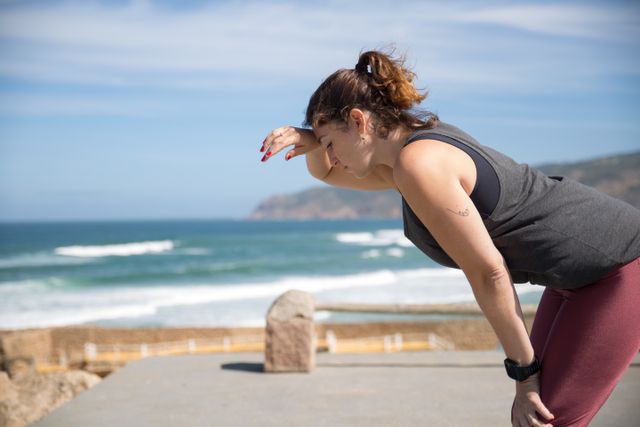
With soaring temperatures expected this summer, knowing the signs of (and difference between) heat exhaustion and heatstroke could save someone’s life. Know the symptoms, what to do in an emergency and daily prevention steps.
ALSO SEE: You’ve blamed the tiredness on midlife. Is it time for a blood sugar conversation?
The super El Niño that’s been predicted this year is bringing with it a brutally hot and dry summer in South Africa. Along with concerns like droughts, wild fires, effects on agriculture and water supply, it holds another health concern: heat exhaustion and heatstrokes.
Learn what the difference is and signs to look out for so you can ensure you’re safe this scorching summer.
Signs of heat exhaustion
Heat exhaustion usually happens when the body overheats due to heavy sweating and a loss of salt and water. This may be due to high temperatures, strenuous physical exertion and humidity. It doesn’t usually require medical intervention and the body can cool down within 30 minutes. The symptoms include:
- Dizziness
- Headache
- Fatigue
- Feeling nauseated or vomiting
- Excessive sweating and pale skin
- High temperature
- Being very thirsty
- Cramps in legs, arms and tummy
Signs of heatstroke
Heatstroke is always a medical emergency and help must be attained immediately. The symptoms include:
- Very high temperature
- Fast breathing and a fast heartbeat
- Hot skin without sweating
- Restlessness and confusion
- Seizure
- Loss of consciousness
What to do when someone suffers from heat exhaustion or heatstroke
It’s important to know what to do if someone suffers from heat exhaustion. Make sure they’re in a cool place and remove all unnecessary clothing. Keep the skin cool: sponge or spray them with water and fan them. Give them lots of water to drink – an isotonic drink is a good option to replenish the salt they’ve lost through sweating. They should cool in 30 minutes.
For someone suffering with heatstroke, contact medical services immediately. In the meantime, wrap the person in a cool, wet sheet and sponge them down. A cold pack under the armpits and the neck may also help. Make sure to alert the medical services if the person loses consciousness.
How to prevent heat exhaustion and heatstroke
Daily prevention steps include:
- Drink more water throughout the day – consider electrolytes
- Limit caffeine and alcohol
- Avoid extreme exercise
- Wear lightweight and loose clothing
- Avoid the midday peak sun between 11 am and 3 pm
- Never leave people (especially kids and older people) or pets in parked cars
The bottom line
Heat exhaustion and heatstroke can have serious, and even life-threatening effects. Make sure you and your family are protected, take advantage of air-conditioned spaces, and stay safe.
ALSO SEE:
Featured images: Pexels