Before you write off another flat afternoon as ‘just midlife’, there’s one simple blood test worth asking about. Here’s what it measures, why it matters now, and a ten-minute habit you can start tonight.
It’s 3 pm. You’ve had two coffees, the inbox is winning, and you’re wondering whether you can reach the biscuit tin without anyone noticing. You tell yourself it’s the juggling, the hormones, the sheer volume of life you carry.
Sometimes that’s exactly right. But tiredness that doesn’t lift with rest has more than one possible cause, and blood sugar is one that very few of us think to check. It’s also one that can sit quietly for years.
Why ‘it’s just midlife’ is only half the story
Midlife really does change how your body handles sugar. Younger women are often protected by higher oestrogen, and as it drops, the way the body processes glucose, stores fat and regulates cholesterol and blood pressure shifts. Many women also notice more weight settling around the middle, which is linked to insulin resistance (when your cells stop responding properly to insulin, the hormone that moves sugar out of your blood).
To be fair, menopause doesn’t cause diabetes by itself. Diabetes UK points out that the hormonal changes can lead to more weight around the middle and higher blood pressure. Broken sleep adds to it too: chronic insufficient sleep can raise your risk of type 2 diabetes.
So the tiredness you blame on midlife and the tiredness caused by high blood sugar can look identical. Only a test can tell them apart.
The numbers that should make you book that appointment
This isn’t a rare problem in South Africa. The International Diabetes Federation says over 4.3 million South Africans live with diabetes, and nearly half remain undiagnosed. In one national survey of adults aged 35 to 64, 11.3% had diabetes they didn’t know about, which made up about 61% of all diabetes cases in that group.
For women, the stakes are real. Statistics SA reported diabetes as the leading cause of death among South African women in 2016, accounting for 7.2% of female deaths. The good news is that finding it early, when it’s still ‘prediabetes’, gives you the most options.
The quiet clues that tag along with tiredness
Tiredness is rarely the only sign. The SA Department of Health’s primary care guidance lists thirst (especially at night), passing urine often, and tiredness as typical symptoms. Other possible clues include:
- Blurry vision that comes and goes
- Tingling or numbness in your hands or feet
- Skin that stays dry however much moisturiser you use
- Slow-healing cuts, or urinary tract infections that are more frequent or severe
- Hunger that doesn’t settle even after you’ve eaten
Plenty of people have none of these. SA guidelines note that some individuals, especially older persons, may have no symptoms at all. That’s why a check matters even when you feel ‘fine, just tired’.
One blood draw, no fasting, two to three months of answers
The test to ask about is called an HbA1c. It shows your average blood sugar over the past two to three months, and you don’t need to fast for it. Your doctor may also suggest a fasting glucose test.
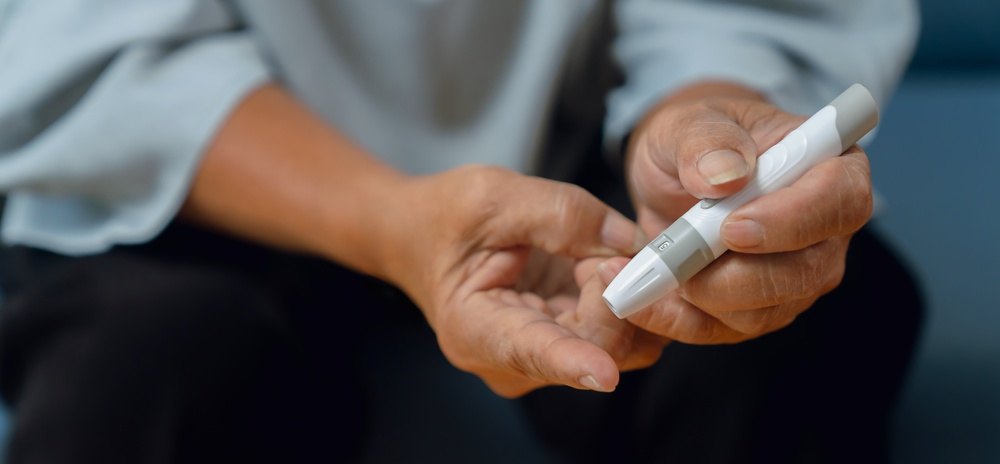
The usual ranges, as the US CDC lists them, are below 5.7% as normal, 5.7% to 6.4% as prediabetes, and 6.5% or higher as diabetes. If a result is in the diabetes range and you have no symptoms, a clinician usually confirms it with a repeat test. A finger-prick reading at a pharmacy or clinic can be a handy first look, but it’s not a diagnosis.
Not sure how to make sense of the printout? Learn how to read your blood test results so you can walk into the follow-up appointment with good questions. And if your periods are heavy, ask about iron at the same time, because heavy periods and iron loss is another very common reason for exhaustion in midlife.
Try this tonight: the small habits that move the needle
You don’t need a new life. You need a few small, repeatable things. Here’s a simple evening list you could screenshot:
- Walk for 10 minutes after supper. In a study of adults with type 2 diabetes, a 10-minute walk after each main meal lowered post-meal blood sugar by about 12% compared with a 30-minute walk at any time. Around the block, up and down the driveway, or while you phone your sister, all count. If a walk right after eating upsets your stomach, wait 10 to 15 minutes.
- Put protein and veg on the plate first. Pap, rice or bread can still be there. They just don’t need to be the whole show.
- Plan two or three strength sessions a week. One midlife health team calls resistance training 2 to 3 times a week the highest-impact step for midlife women, since muscle is the body’s biggest glucose sink. Bodyweight squats and a set of dumbbells at home are a good start.
- Protect your sleep. Screens off, room cool, same bedtime most nights. Poor sleep and blood sugar feed each other.
- Book the test. Put the HbA1c on your to-do list before you close this page.
When to stop waiting and see someone
Speak to your doctor, clinic nurse or pharmacist if the tiredness has lasted a few weeks, if you’ve noticed the clues above, or if diabetes runs in your family. You’re also at higher risk if you had gestational diabetes or went through menopause early. Higher rates are seen among people of South Asian, mixed ancestry and urban Black African descent, so please don’t assume it’s ‘someone else’s’ condition.
Go to a doctor or emergency unit the same day if you have extreme thirst along with vomiting, confusion, fast breathing or unusual drowsiness. That’s rare, but it’s not something to wait out.
A normal result is its own gift, because then you can go looking for the next cause with a clear conscience. And if your number is a little high, you’ve found out at the stage when small changes work best. Either way, you stop guessing about your own energy, and that’s worth ten minutes of walking.
By HealthLab
Photo: HealthLab / Supplied