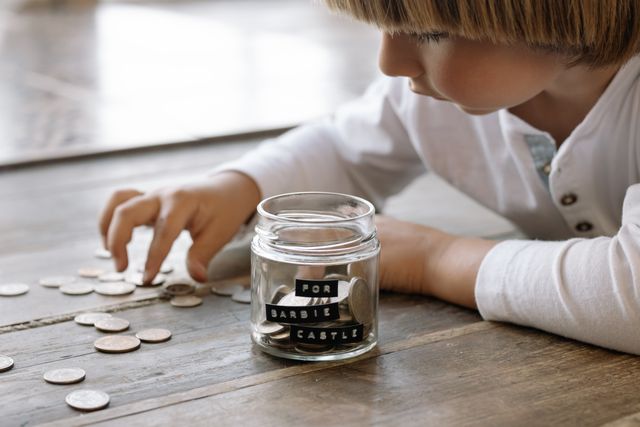
Teaching kids the value of money is essential in ensuring they develop healthy financial habits later in life. It’s directly tied to their quality of life. Start small with lessons they can understand at their age, encourage honest discussions and see how they grow their financial literacy.
ALSO SEE: Why women should talk money
One of the most important life lessons we can pass on to our children is money management. And it starts at home. The topic might feel overwhelming in our minds but the good news is that it doesn’t require super complicated financial expertise. Teaching your kids the value of money starts with everyday moments that can turn into powerful learning opportunities.
Start with age-appropriate conversations
Don’t shy away from discussing money to kids who may be naturally curious. The concept of earning, spending and saving are understandable to younger children. Older children, on the other hand, can be introduced to the concepts of budgeting and financial priorities.
Explain why you chose a specific purchase over another, so that they understand that money is finite and that thoughtful decisions matter.
Give them hands-on experience
Practice is the best way to learn about money management. Provide an allowance or pocket money, and allow your children to make spending decisions. They will also learn the consequences in a low-risk setting.
If they, for example, spend all their money on a toy and not on something else of greater value, they’ve learned a good lesson about delayed gratification and planning.
Encourage saving for goals
Helping children save towards a goal teaches them patience and discipline. Whether it’s for an outing, a game or book, encourage working towards a clear goal. You can use a see-through jar for younger kids so they see their savings grow.
For older children, consider opening a youth savings account – you’ll be introducing them to more complex financial concepts while enforcing the habit of saving.
Teach the difference between wants and needs
A very important element of financial literacy is understanding the difference between necessities and luxuries. Involve them in shopping trips and discuss what the family needs versus what would be just nice to have. Keep it age-appropriate so they also don’t feel burdened.
These conversations encourage mindful spending habits when they grow up and also build critical thinking skills.
Lead by example
Children see what you do more than they listen to what you say. If you demonstrate responsible money habits – comparing prices, budgeting, saving for bigger buys – it will have a lasting impact.
By making discussions about money normal and age-appropriate, parents can raise financially confident children who understand the value of money and spending it wisely.
ALSO SEE:
How to break bad money habits and replace them smarter financial choices
Featured image: Pexels