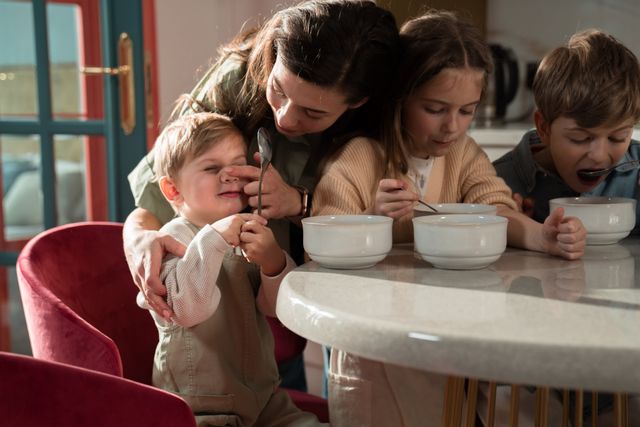
You love all your children the same, but should you treat them the same? We may think that treating children equally is fair, or we might want to avoid privileging one over the other. But children are people with individual needs and personalities. Treating them differently might be exactly what they need.
ALSO SEE: How to raise kinder kids
Every generation of parents want to correct what their parents’ generation did wrong. Think of ‘the favourite child’. You may have grown up in a household where you felt sidelined in favour of a favoured sibling. So you may have vowed to treat your own children equally.
But does being the fair parent mean giving every child exactly the same treatment, things and rules? We all agree that children should feel equally loved and valued, but children have different emotional needs and personalities.
Fair doesn’t always mean equal
One child may be naturally independent so they won’t need constant supervision. While another may be reserved and need a bit more reassurance and guidance. Some children need firm boundaries while others respond better in other ways. If you treated them all the same in the name of fairness, you could overlook what each child needs.
Regard your child as a person, not an extension of you
If your own personality differs from your child’s, pay extra attention to what they need. If your child is perhaps not as assertive as you, you may be frustrated if they didn’t move through the world as you would. Instead, see them as a person with very specific needs.
Age and development influence parenting as well. A teenager may have more independence than a younger sibling. Or maybe a child is struggling at school and need one-on-one attention. Explain these differences clearly and openly so they understand that being treated differently doesn’t mean being loved differently.
Avoid comparisons
When differences in parenting become comparisons between siblings, the psychological effects can follow them into adulthood. Mind your words and statements so that children never feel as if they have to compete for your approval. A statement like ‘why can’t you be more like your sister?’ can lead to resentment and low self-esteem.
Instead, focus on each child’s individual strength and progress. Avoid giving them identities like ‘the responsible one’ or ‘the difficult one’.
Parenting tips for fair treatment
- Make individual time – so the child feels like more than just part of a family unit
- Learn what each child needs – note personality, development and emotional needs
- Don’t compare siblings – celebrate their achievements without making it a competition
- Check in regularly – adjust your approach as they grow
- Explain differences keep core values consistent – rules regarding respect, safety and responsibility should stay the same
Ultimately, good parenting is making sure each child feels loved, supported and respected. It’s not necessarily treating all children identically.
ALSO SEE:
Talking to your children about divorce: What to say and how to support them
Featured image: Pexels