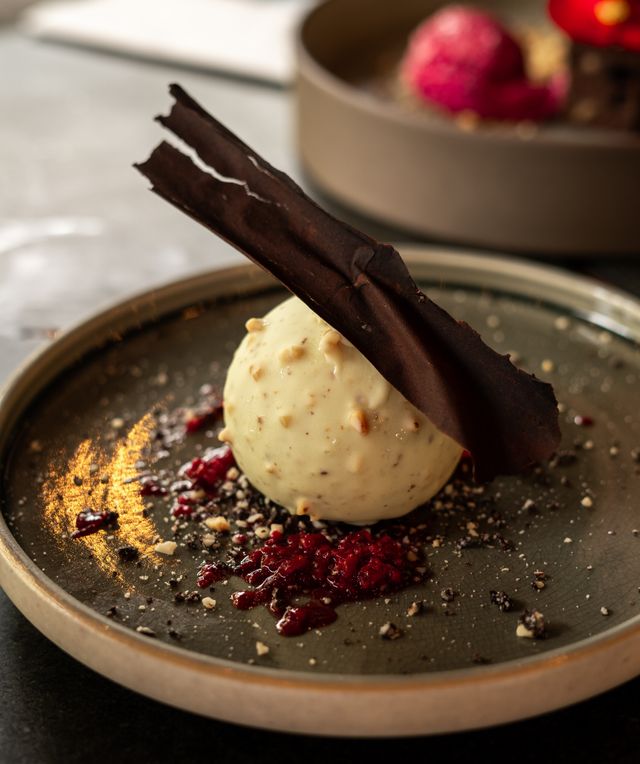
The mere texture of a dish can determine whether you enjoy a meal. While mouthfeel in cooking has been overlooked in the past, restaurants and chefs are now increasingly focusing on texture combined with flavour to create delectable dishes. Here’s how you can elevate your everyday meals in the comfort of your own kitchen.
ALSO SEE: Eat your way through winter – 10 superfoods your body will thank you for
Our group editor loves banana-flavoured foods but hates the texture of bananas; she also doesn’t care for jelly-textured things although she’s fine with the flavour. For the longest time, cooking has been about the five tastes. But food lovers and chefs are paying more attention to another element: mouthfeel.
Mouthfeel refers to the sensation of food in your mouth. The crispiness of a roasted potato, the silky texture of a chocolate mousse. Flavour is important, yes. But texture often adds to how memorable a food or dish is. As Yvette Pascua from Rubix Foods says: ‘If flavour is king, then texture is queen. Flavour and texture play equally important roles in our perception of foods and drinks, and they must complement one another.’
Pexels
Why mouthfeel matters
Food isn’t just about taste. Texture influences how fresh, indulgent and satisfying a dish is. Research suggests that our brains process flavour right alongside texture. So you might have a rather simple recipe but a crunchy topping or velvety sauce will be what elevates it completely.
You may have noticed that the focus on texture is increasingly visible in restaurants where dishes often combine contrasting elements. Imagine a creamy puree with crispy breadcrumbs, silky desserts topped with a brittle caramel, or tender veggies alongside toasted seeds.
How to create better mouthfeel at home
You don’t need chef training to embrace the trend and elevate your meals:
- Play with cooking methods: Roast your veggies instead of boiling to create crispy/caramelised edges while the centre stays tender. Air fryers are great for this because you can achieve crispiness with less oil.
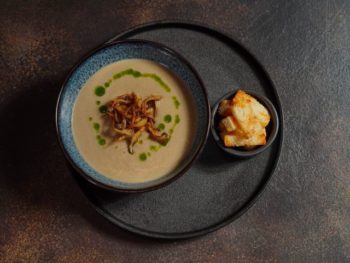
- Add contrast: Pair creamy foods with something crisp. Think home-made croutons over salads and soups, sprinkle toasted nuts, or finish pasta with crunchy pangrattato (crispy toasted breadcrumbs).
- Use finishing touches: Flaky sea salt, citrus zest, fresh herbs and pickled vegetables all introduce a burst of freshness alongside different textures.
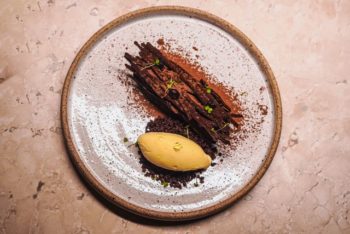
- Think beyond crunch: Sometimes mouthfeel satisfaction is simply how silky your mashed potatoes are. So make sure you prepare simple foods expertly: fluffy whipped cream, chewy fresh pasta and airy mousses all deliver a wonderful textural experience.
Pexels
The takeaway
Flavour will always be the main element of great cooking, but focusing on texture can make everyday meals feel more restaurant-worthy – in taste and presentation. The goal with cooking and eating is to experience dishes that are both delicious and satisfying.
ALSO SEE:
The psychology of comfort food – Why we crave certain meals in winter
Featured image: Pexels