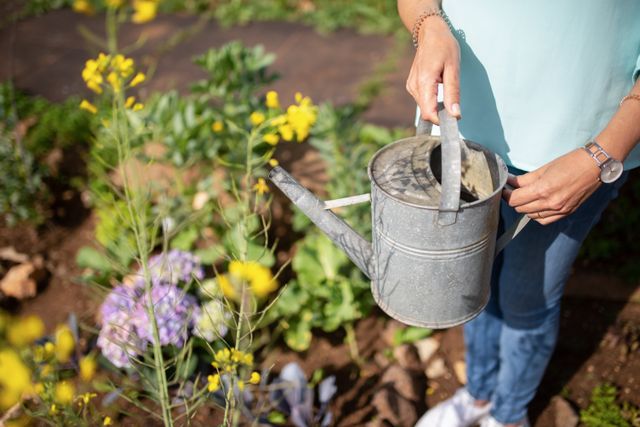
What’s lovelier than a lush garden in spring? If you’ve neglected your garden in the colder months, though, all you need is a clear plan and a little patience to inject new life into your garden.
ALSO SEE: Your vegetable garden isn’t producing? Here is exactly why
Overgrown plants, weeds taken over, lawn that looks like a wilderness instead of a welcoming space – this is how a garden can look that’s been neglected, and it can be overwhelming. But you don’t have to fix it all at once. With a clear plan and a bit of patience, you can revive your garden into a lush and beautiful space.
Start with a clear-out
Removing debris is the first step, before you can start buying new plants or plan an elaborate flower bed. Pick up dead leaves, pick up fallen branches, rubbish and anything that’s accumulated. Pull out weeds where you can but don’t feel you have to get every single one.
Prune away dead, damaged or diseased growth from plants and shrubs – and use sharp, clean tools. If something has become severely overgrown, don’t cut it back too drastically until you know what it is and the way it responds to pruning.
Work on the soil
Healthy soil is the foundation to a healthy garden. Loosen compacted soil and remove large roots and weeds – after you’ve cleared out the area. Add compost or well-rotted organic matter to improve the soil and give the plants a better environment in which to grow.
At this point, also check whether there are areas that are waterlogged or became very dry. This will indicate which plants will thrive where.
Rescue what you can
Not everything in a neglected garden needs to be replaced. Some plants might just need a bit of water, pruning and a little attention. If there are plants that are struggling, give them a bit of time to recover before deciding to remove them.
Look for healthy new growth – it’s an excellent sign that there’s new life.
Make maintenance easier
Once your garden is looking healthier, choose plants that are suited to your climate and the amount of sunlight the garden gets. Group plants that have similar watering needs together, and add mulch to retain moisture and discourage weeds.
The bottom line
Finally, break maintenance into manageable tasks Spend 15 to 20 minutes weeding, pruning or watering a few times a weeks, instead of waiting until everything needs attention again. Your garden doesn’t have to perfect. The key is creating a space that’s cared for, alive and inviting.
ALSO SEE:
5 berries you can easily grow in pots – even if your garden is tiny
Featured image: Pexels