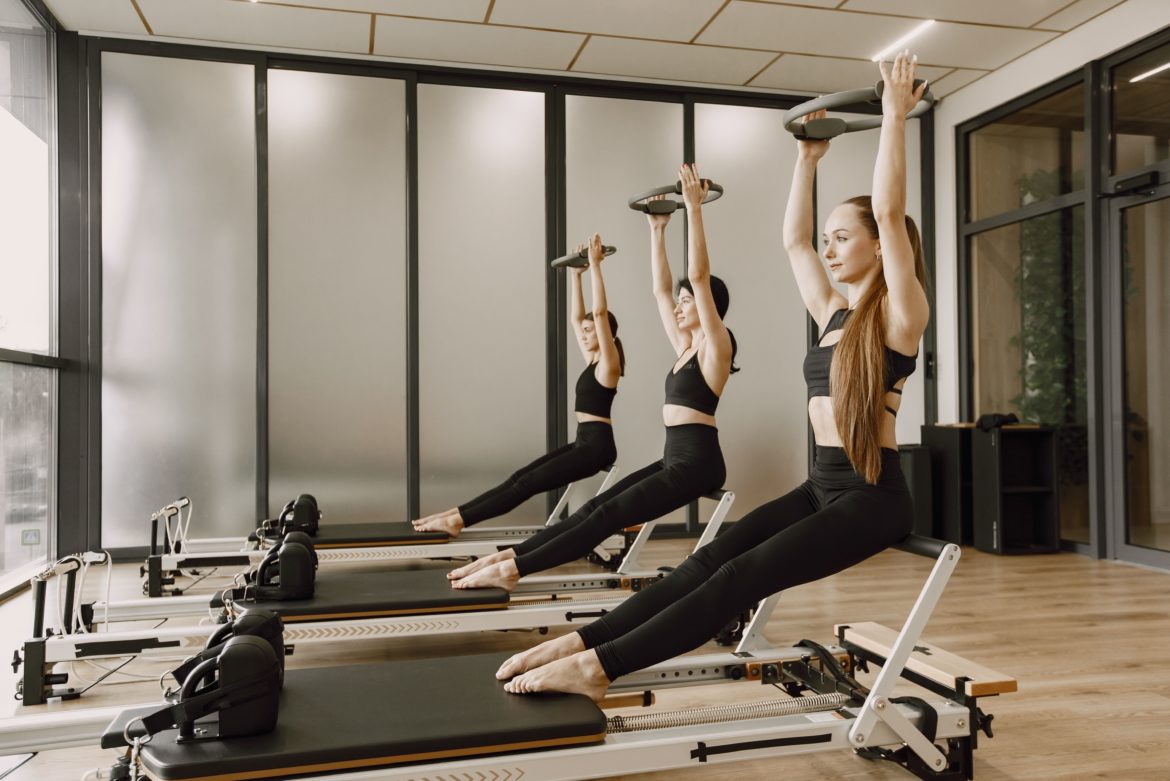
Scroll through any feed and wellness looks expensive – Pilates classes, skin serums, powdered greens in elegant tubs, and a “morning routine” that requires a kitchen full of gadgets. It’s easy to feel that being well is a luxury reserved for people with disposable income.
It isn’t. Most of what actually moves the needle on your health is cheap, or free. The trick is knowing where to put your energy and where to ignore the noise.
Start with the basics (They’re free)
Before you buy anything, look at the foundations. Sleep, movement, food, stress and connection do more for your wellbeing than any product on the market.
Sleep first.
If you can only fix one thing, fix this. Aim for a consistent bedtime and wake time, keep your room cool and dark, and put your phone to charge across the room. A good night’s sleep improves your mood, skin, cravings and focus, and it costs nothing.
Move in ways you actually enjoy.
You don’t need a gym membership. Walk around the block, dance in your kitchen, follow a free YouTube workout, or take the stairs. The best exercise is the one you’ll keep doing. Even ten minutes counts, and it adds up.
Get outside.
Natural light in the morning helps regulate your body clock, and time in green spaces is linked to lower stress. A walk in a park or along the beach beats most paid “relaxation” experiences.
Eat well without overspending
Healthy eating has a reputation for being pricey, but the wellness-approved foods aren’t always the expensive ones.
- Build meals around staples. Oats, eggs, lentils, beans, rice, seasonal vegetables and canned fish are affordable and nutritious.
- Cook in batches. One big pot of soup, curry or stew gives you several meals and saves you from expensive last-minute takeaways.
- Shop seasonally and locally. Produce that’s in season is cheaper and tastes better. Local markets often beat supermarkets on price.
- Plan before you shop. A simple weekly plan and a list cut impulse buys and food waste, which is one of the quickest ways to save.
You don’t need superfoods. A plate with some protein, plenty of colour and a source of fibre is all the “clean eating” you need.
Make self-care cheap (and real)
Self-care has been sold to us as a shopping habit, but real self-care is about meeting your own needs. Some of the most restorative things cost almost nothing:
- A long bath or a hot shower with the phone left outside
- A few minutes of deep breathing or stretching before bed
- Journaling for five minutes to clear your head
- A DIY face mask from things like oats, honey or yoghurt
- A cup of tea with no screen in front of you
- Saying “no” to something that drains you
That last one might be the most valuable, and it’s completely free.
Look after your mind
Mental wellbeing deserves as much attention as physical health, and there are plenty of low-cost ways to support it.
Try free tools.
Many libraries, universities and community groups offer free or low-cost workshops, and there are free meditation resources online.
Lean on your people.
A phone call with a friend who makes you laugh is real medicine. Regular connection is one of the strongest predictors of long-term wellbeing.
Limit the scroll.
Constant comparison is a quiet drain on your mood and your wallet. Unfollow accounts that make you feel behind, and mute anything that sells you a problem you didn’t know you had.
Know when to get support.
If you’re struggling, look into sliding-scale therapy, community clinics, support groups or workplace assistance programmes. Asking for help isn’t a luxury.
Spend smart when you so spend
Some things are worth paying for. When you do, be intentional.
- Decide what matters to you. If movement is your joy, put your small budget there. If it’s good sleep, invest in a decent pillow rather than a pile of supplements.
- Choose multi-purpose over trendy. One good moisturiser with SPF beats a shelf of single-use products.
- Skip the unproven. Be wary of detox teas, miracle supplements and anything promising fast, dramatic results. If it sounds too good to be true, it usually is.
- Look for the trade-offs. Many studios offer community classes, work-trades or off-peak rates. Second-hand sports gear is often barely used.
- Check in with a professional before taking supplements. You may not need them, and you can save money by finding out.
Build habits, not hauls
Wellness isn’t something you buy once. It’s something you practise. Small, repeatable habits, like drinking water, taking a daily walk, cooking at home a few nights a week and going to bed on time, compound over months and years.
Start with one change. Once it feels automatic, add another. This approach is cheaper, gentler and far more likely to stick than a dramatic overhaul.
You don’t have to spend big to feel well. Protect your sleep, move your body, eat simply, nurture your relationships, and be kind to yourself. Those things are available to almost everyone, and they work.
The best wellness routine isn’t the most expensive or the most photogenic. It’s the one that fits your life, your budget and your real needs, and that you can keep up when life gets busy.
ALSO SEE:
Featured Image: Pexels