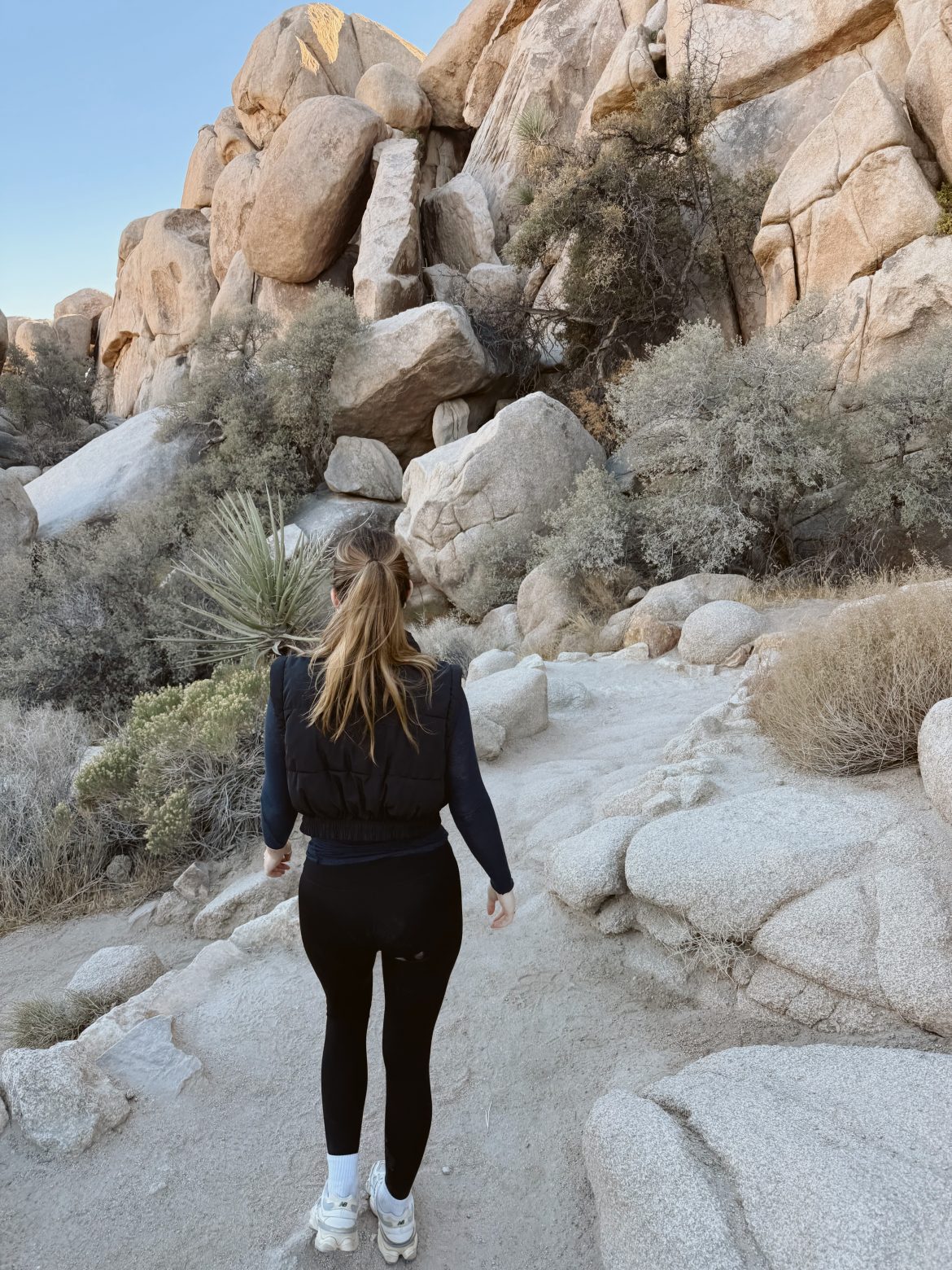
Once reserved for elite athletes and military-style training, the weighted vest has quietly entered the mainstream wellness space and for good reason. From hot-girl walks to strength sessions, this deceptively simple piece of equipment is becoming a go-to for people who want more from their movement without spending more time exercising.
But like most wellness tools, it’s only powerful when used intentionally. Wearing a weighted vest all day? Not ideal. Throwing one on without understanding your body? Risky.
Here’s everything you need to know about the benefits of wearing a weighted vest, plus exactly when and where it makes sense to use one.
What is a weighted vest, really?
A weighted vest is exactly what it sounds like – a vest fitted with evenly distributed weights designed to add resistance to your body during movement. Unlike ankle weights or dumbbells, it keeps the load close to your centre of gravity, which is key for safety and effectiveness.
Most vests range from 2kg to 10kg (or more), with adjustable options allowing you to scale up or down depending on the activity.
The benefits of wearing a weighted vest
Builds strength without “extra” workouts
One of the biggest draws of a weighted vest is passive strength training. Everyday movements – walking, climbing stairs, standing up – suddenly require more effort.
This helps build lower-body strength, core stability, postural muscles and bone density (especially important for women). You’re not adding more workouts – you’re upgrading the ones you already do.
Boosts calorie burn (Without going harder)
Adding weight increases energy expenditure without increasing speed or intensity. This makes weighted vests ideal for:
- Low-impact cardio
- Fat-loss-focused walking
- People easing back into movement
It’s especially helpful if you’re prioritising sustainable fat loss and want to avoid high-stress workouts that spike cortisol.
Improves bone density
Weighted vests create gentle, consistent load on your skeletal system, which encourages bone strengthening. This is particularly beneficial for women in their 30s–50s, those with a family history of osteoporosis or anyone focused on long-term health, not just aesthetics.
Weight-bearing movement is one of the most underrated tools for future-proofing your body.
Enhances posture and body awareness
When worn correctly, a weighted vest forces your body to self-correct. You become more aware of slouching, forward head posture and weak core engagement.
Over time, this builds stronger postural muscles – especially if you spend long hours sitting or working at a desk.
Makes simple movement feel intentional
There’s something powerful about turning a “casual” walk into a purposeful ritual. Weighted vests encourage slower, more mindful movement – perfect if you’re leaning into a softer, calmer fitness era rather than punishment-style training.
When is the best time to wear a weighted vest?
During walks (The sweet spot)
The best and safest use of a weighted vest is walking.
- Outdoor walks
- Treadmill incline walks
- Morning or evening hot-girl walks
- Post-meal strolls (great for blood sugar balance)
Start with 10–20 minutes, especially if you’re new.
During low-impact strength training
Weighted vests can enhance bodyweight squats, lunges, step-ups and/or glute bridges.
They’re great if you want resistance without holding weights, allowing better balance and form.
During short conditioning sessions
Think:
- Stair climbing
- Slow sled pushes
- Farmer-style carries (vest only)
These should be intentional, short sessions – not something you wear casually for hours.
Where to avoid wearing the weighted vest
- Running (especially long distances)
- High-impact HIIT
- All-day wear
- Errands or prolonged standing
- If you’re injured, postpartum, or dealing with joint pain (unless cleared by a professional)
Weighted vests are a tool, not an accessory.
How heavy should your weighted vest be?
Less is more. Beginners: 2–4% of body weight. Intermediate: 5–8% of body weight. Advanced: Up to 10%, with caution
If your posture changes, breathing feels restricted, or joints ache – you’ve gone too heavy.
2–4 times per week is plenty. The goal is adaptation, not exhaustion.
Weighted vests aren’t about pushing harder – they’re about moving smarter. When used intentionally, they offer a rare combination of strength, cardiovascular benefit, and longevity support without overwhelming your nervous system.
Slow movement. Added intention. Long-term results.
ALSO SEE:
Healing your relationship with exercise – From punishment to partnership
Featured Image: DupePhoto