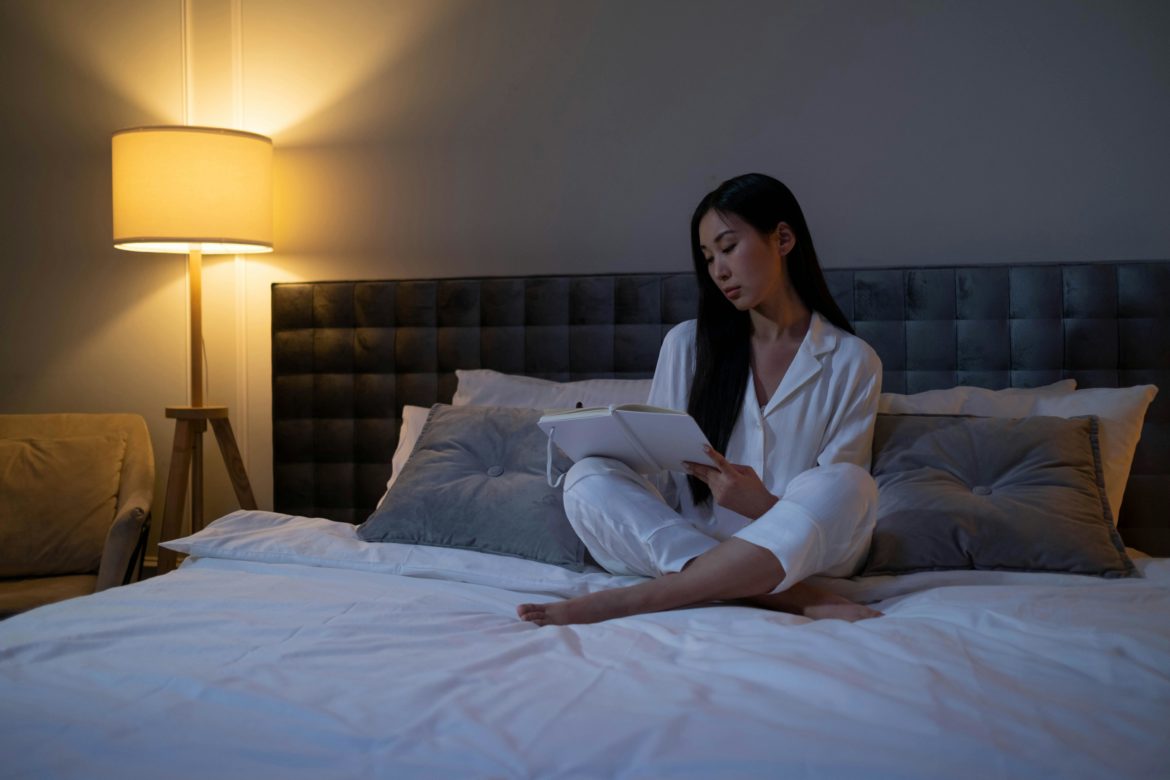
Productivity, speed, and constant connected evenings have quietly become an extension of our to-do lists. We answer emails from bed, scroll endlessly through social media, and fall asleep with our minds still racing. But what if the most powerful thing you could do for your well-being, your creativity, and your overall life… was to slow down?
Welcome to the power of the slow evening – a gentle, intentional way of reclaiming your nights and, ultimately, yourself.
What is a slow evening?
A slow evening isn’t about doing nothing. It’s about doing things with purpose. It’s choosing calm over chaos, presence over distraction, and restoration over stimulation. It’s lighting a candle instead of turning on harsh overhead lights. It’s cooking a simple meal instead of ordering in while multitasking. It’s creating space between the end of your workday and the moment your head hits the pillow.
Slow evenings are less about rigid routines and more about rhythm – one that feels soft, grounding, and deeply personal.
Why we need slow evenings more than ever
Modern life rarely gives us natural stopping points. With remote work, smartphones, and 24/7 access to everything, our brains don’t always get the signal that the day is done. This constant “on” state can leave us feeling anxious, overstimulated, and exhausted, but not in a way that sleep fixes easily.
Slowing down in the evening helps regulate your nervous system. It tells your body you’re safe, you can rest now. Over time, this simple shift can improve sleep quality, reduce stress levels, and even support hormone balance.
For women, especially, who often carry both professional and emotional labour throughout the day, slow evenings can feel like a quiet act of self-preservation.
The rituals that make evenings feel soft again
The beauty of a slow evening is that it doesn’t require a complete lifestyle overhaul. It’s built through small, sensory rituals that signal calm.
Start with your environment. Dim the lights. Put your phone on silent or leave it in another room. Play soft music or sit in silence. These subtle cues can dramatically shift your mood.
Then move into grounding activities. Cooking a nourishing meal, taking a warm shower, and doing skincare slowly rather than rushing through it – these are all ways to come back into your body.
Journaling is another powerful tool. Not the pressure-filled kind, but a gentle brain dump or a few reflective thoughts about your day. It creates closure, which is something many of us unknowingly crave.
Even something as simple as making a cup of tea and sitting with it, without distraction, can become a ritual that anchors your evening.
The link between slow evenings and better sleep
We often focus on morning routines as the key to a successful day, but the truth is, your morning begins the night before.
When your evenings are filled with stimulation, bright screens, stressful content, and late-night work, your body struggles to transition into rest. Cortisol stays elevated, melatonin production is delayed, and sleep becomes shallow or disrupted.
Slow evenings act as a buffer. They gently guide your body into a state where sleep feels natural, not forced. Over time, you may find yourself falling asleep faster, waking up more refreshed, and needing less effort to maintain a healthy sleep schedule.
Reclaiming your evenings in a hyper-connected world
One of the biggest barriers to slow evenings is the habit of digital consumption. It’s easy to tell yourself you’re “unwinding” while scrolling, but more often than not, it keeps your mind engaged and slightly on edge.
Reclaiming your evening doesn’t mean eliminating your phone completely – it means being intentional with it. Set boundaries. Decide when your day ends digitally. Even starting with 30 minutes of screen-free time before bed can make a noticeable difference.
This is also where you begin to reconnect with yourself. Without constant input, your own thoughts, ideas, and emotions have space to surface. It’s often in these quiet moments that clarity, creativity, and calm begin to return.
Slow evenings as a form of self-respect
At its core, choosing a slow evening is a way of saying – my rest matters. It’s recognising that you don’t need to earn your downtime, and that your worth isn’t tied to how much you can squeeze into a single day.
It’s also about creating a life that feels good, not just one that looks productive.
There is something deeply luxurious about moving through your evening without urgency. About not rushing your dinner, your shower, your thoughts. About allowing yourself to exist without constantly performing or achieving.
How to Start, Without Overthinking It
You don’t need a perfect routine to begin. In fact, the beauty of slow evenings lies in their simplicity.
Start by choosing one small shift. Maybe it’s dimming the lights after 7 pm. Maybe it’s putting your phone away while you eat. Maybe it’s taking five minutes to sit in silence before bed.
Let it evolve naturally. Let it feel like something you want to return to, not something you have to maintain.
And before you know it, your evenings aren’t just something you get through – they become something you look forward to.
Slow evenings won’t fix everything overnight. But they will soften the edges of your day. They will give you space to breathe, to process, to simply be. And in a world that rarely slows down, that might just be the most powerful thing you can do.
ALSO SEE:
Creating digital boundaries – How to protect your peace online
Featured Image: Pexels