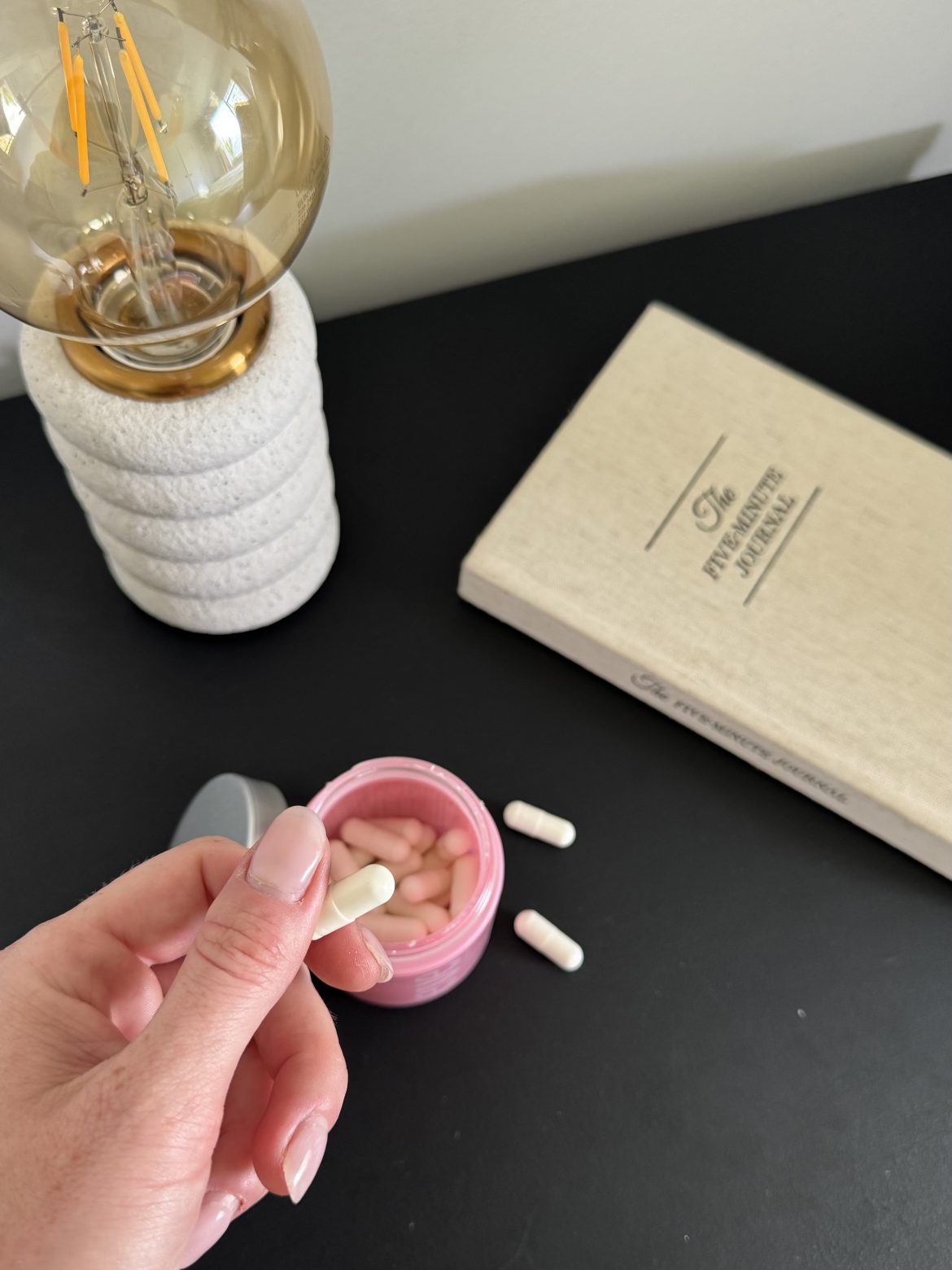
We are encouraged almost every day to “just take your vitamins,” – timing is rarely discussed. But it should be.
Certain supplements are absorbed better with food. Others compete with nutrients in your meal. Some are fat-soluble and need dietary fat to work effectively. And a few can actually be less effective — or cause digestive discomfort — when taken incorrectly.
If you’re investing in your health (especially as a woman navigating hormones, stress, gut health, and metabolism), knowing when to take your supplements is just as important as knowing what to take.
Fat-soluble vitamins: Take with a meal containing fat
The best time is with your largest meal of the day, or ideally, a meal that includes healthy fats (olive oil, avocado, eggs, nuts, fatty fish).
For many women (especially those managing PCOS, endometriosis, or low vitamin D levels), taking vitamin D without food may blunt its effectiveness. But avoid taking it first thing in the morning with black coffee only.
Iron: Empty stomach (But carefully)
Iron is incredibly sensitive to what’s around it. So, on an empty stomach is best or with vitamin C, like a squeeze of lemon in water to enhance absorption.
Avoid taking iron with coffee or tea as tannins block absorption, calcium supplements, dairy and high fibre meals.
If iron upsets your stomach, you can take it with a small amount of food — but avoid calcium-rich foods.
Magnesium: Evening is often best
Taking magnesium in the evening is best. 1 -2 hours before bed
While magnesium can be taken with or without food, many people tolerate it better with a light snack.
For women managing anxiety or high cortisol (especially if you’re trying to build a calmer nervous system), magnesium at night can feel noticeably grounding.
B Vitamins: Morning, with food
Taking them late at night can sometimes interfere with sleep due to their energising effect.
While they don’t require fat for absorption, taking them with food can reduce nausea — especially with higher doses.
Probiotics: Timing depends on the strain
Hot drinks immediately after taking probiotics can reduce bacterial viability.
If you’re using probiotics for hormone balance, endometriosis-related inflammation, or gut healing, consistency matters more than perfection.
Zinc: With food (But not with iron or calcium)
Minerals compete for absorption, so spacing them out by a few hours improves effectiveness.
Supplements that compete with each other
Certain minerals use similar transport pathways in the gut.
Avoid taking the following together:
- Iron and Calcium
- Zinc and Iron
- High-dose Magnesium and Calcium
Spacing them out by 2–3 hours can make a real difference.
Supplements are supportive — but they’re not magic. Absorption also depends on:
- Gut health
- Stress levels
- Stomach acid production
- Overall nutrient status
- Hormonal balance
If you’re focusing on fat loss, hormone healing, or calming your nervous system this year, optimizing absorption is a quiet but powerful step.
Because wellness isn’t about doing more.
It’s about doing it smarter.
ALSO SEE:
Not all stress is bad – and here’s how to tell the difference
Featured Image: DupePhoto