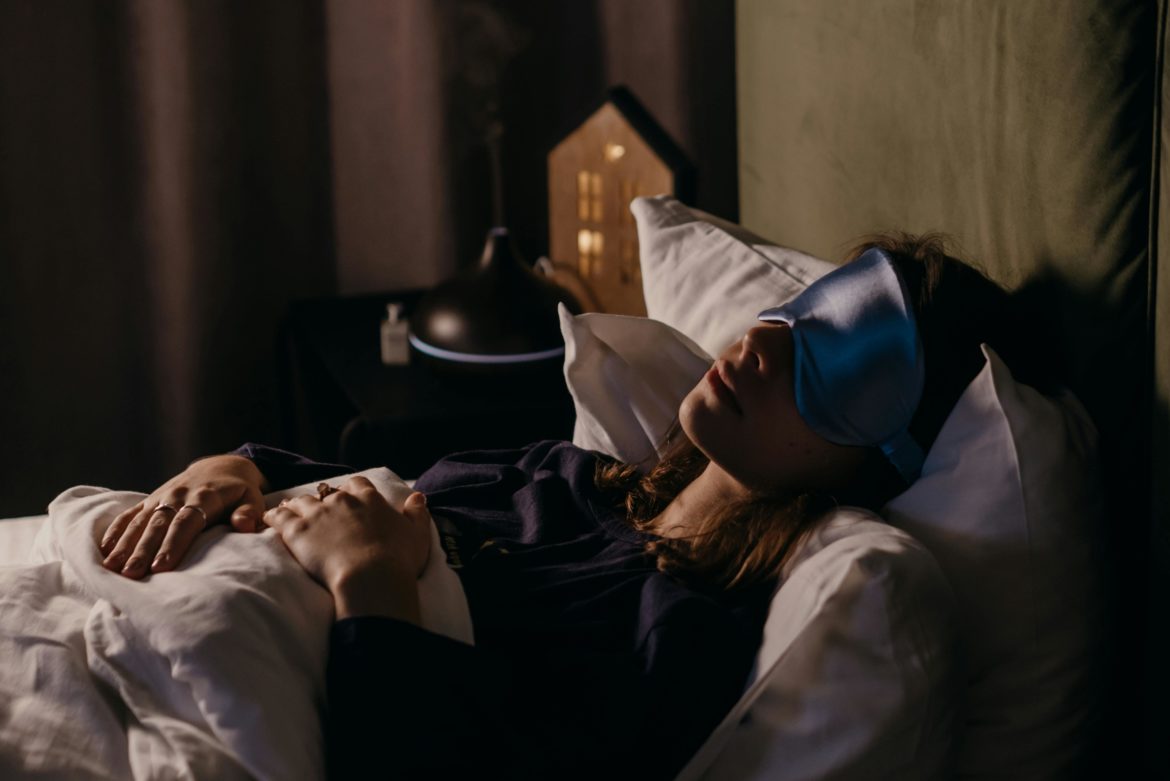
Rest has quietly become one of the most underrated forms of self-care. We’re often quick to adopt the latest wellness trend whether it’s a new supplement, workout class, or morning routine to mask what we are really feeling but sometimes what our bodies truly need isn’t more, it’s less.
Learning to recognise when your body is asking for rest is a powerful step toward better health, balanced hormones, and a calmer mind. Here are the key signs it might be time to slow down.
You’re constantly tired – Even after sleeping
If you’re getting a full night’s sleep but still waking up exhausted, your body may be dealing with chronic fatigue, not just a lack of sleep. This can be a sign of nervous system overload, stress, or poor-quality rest.
Rest isn’t just about hours in bed–it’s about deep, restorative sleep and moments of stillness during the day.
Your workouts feel harder than usual
If your usual workouts suddenly feel draining, or your performance is declining, it’s a sign your body hasn’t fully recovered.
Pushing through fatigue can elevate cortisol levels, increase inflammation, and actually slow your progress. Sometimes, skipping the workout and opting for a walk or stretch is the more productive choice.
You’re getting sick more often
Frequent colds, lingering infections, or feeling “run down” can indicate your immune system is under strain. Rest plays a crucial role in immune function, and without it, your body struggles to defend itself.
Think of rest as preventative care—not a luxury.
Brain fog and lack of focus
Struggling to concentrate, forgetting things easily, or feeling mentally “cloudy” are often overlooked signs of fatigue.
Your brain needs downtime to process information, regulate emotions, and reset. Without it, even simple tasks can feel overwhelming.
Your mood feels off
Irritability, anxiety, or feeling emotionally sensitive can all be linked to lack of rest. When you’re tired, your nervous system is more reactive, making it harder to cope with everyday stress.
Rest supports emotional regulation—something no wellness trend can replace.
You’re craving sugar and caffeine constantly
When your body is low on energy, it looks for quick fixes. This often shows up as intense cravings for sugar or reliance on caffeine to get through the day.
While that extra coffee might help temporarily, it doesn’t address the root issue: your body is depleted.
Your sleep routine is inconsistent
Scrolling late into the night, waking up multiple times, or struggling to fall asleep can all be signs your body is overtired.
Ironically, the more exhausted you are, the harder it can become to sleep well—especially if stress hormones are elevated.
You feel “wired but tired”
This is one of the most common signs of burnout. You feel physically exhausted, but your mind won’t switch off.
This state is often driven by high cortisol levels and a dysregulated nervous system. The solution isn’t doing more—it’s intentionally slowing down.
Your body feels physically heavy or achy
Unexplained aches, tightness, or a general sense of heaviness can be your body’s way of asking for recovery.
Rest allows muscles to repair, reduces inflammation, and supports overall physical resilience.
You’re losing motivation for things you normally enjoy
When everything starts to feel like effort even things you love—it’s often a sign of emotional and physical depletion.
This isn’t laziness. It’s your body asking for a reset.
Why rest isn’t a trend–It’s a foundation
Unlike wellness trends that come and go, rest is a biological necessity. It supports:
- Hormonal balance
- Metabolism and weight regulation
- Mental clarity
- Skin health
- Emotional wellbeing
Without it, even the most “perfect” routine won’t work the way it’s supposed to.
How to start listening to your body
Instead of adding more to your routine, try simplifying:
- Swap one intense workout for a gentle walk
- Create a calming night-time routin
- Take short breaks during your day without your phone
- Prioritise sleep like you would any other commitment
Rest doesn’t have to be dramatic—it just has to be consistent.
Wellness isn’t always about doing more. Sometimes, it’s about having the awareness to pause.
And the truth is, no trend can replace what rest quietly, consistently restores.
ALSO SEE:
Featured Image: Pexels