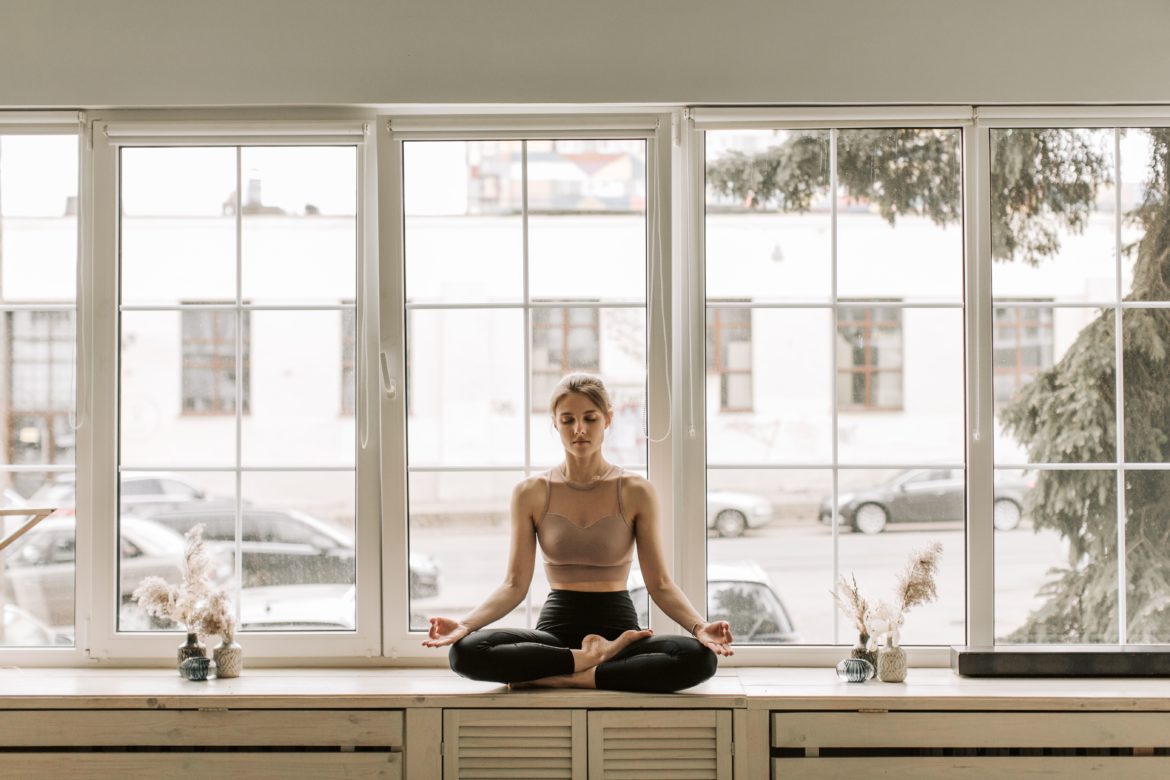
Between tracking our sleep, optimising our hormones, counting our steps and building the perfect morning routine, wellness has started to feel like a full-time job. But what if feeling better doesn’t require doing more?
Wellness was supposed to help us feel better. Somewhere along the way, however, it became another thing to get right.
We have wearable devices monitoring our sleep, apps tracking our menstrual cycles, supplements promising better energy, skincare routines with more steps than our evening schedules and morning rituals that seemingly require waking up before the sun. Add cold plunges, protein targets, meditation, journaling and a daily step count, and suddenly looking after ourselves feels less like self-care and more like project management.
The irony? In our pursuit of a healthier, happier lifestyle, we may have created another source of stress.
Wellness has evolved into an industry that offers endless ways to improve ourselves. While many of these practices can be genuinely beneficial, the constant stream of advice can leave us wondering whether we’re doing enough. Are we getting enough sleep? Eating the right foods? Moving our bodies correctly? Taking the right supplements? And should we really feel guilty about skipping a workout because we’d rather spend the evening on the couch?
Perhaps it’s time to ask a different question: have we made wellness too complicated?
When self-care becomes another to-do list
There’s nothing inherently wrong with wanting to improve your health. Learning about nutrition, prioritising movement and understanding your body’s needs can all be valuable. The problem begins when every healthy habit becomes a non-negotiable requirement.
A simple walk becomes a step-count competition. A relaxing evening becomes an opportunity to optimise our sleep score. A nutritious meal becomes something to analyse for its protein, fibre and nutritional value. Even rest can feel unproductive if we aren’t using it to recover more efficiently.
Instead of asking ourselves how we feel, we increasingly rely on numbers, metrics and online advice to tell us whether we’re doing well.
This can turn wellness into a never-ending cycle of self-improvement, where there is always another habit to adopt, another product to purchase or another area of our lives to fix.
The result is a strange contradiction: we’re investing more time and attention in our wellbeing, yet sometimes feeling more overwhelmed in the process.
True wellness should support our lives, not become the centre of every decision we make.
The influence of wellness culture
Social media has played a significant role in shaping our expectations of what a healthy lifestyle should look like.
Our feeds are filled with perfectly organised supplement shelves, colour-coded meal plans, elaborate morning routines and people who appear to have mastered every aspect of their wellbeing. One creator swears by waking up at 5 am, another recommends a lengthy evening ritual, while someone else insists that a particular supplement is the missing piece of our health puzzle.
Individually, these recommendations may seem harmless. Collectively, they can create the impression that being healthy requires a long list of carefully curated habits.
There is also a commercial element to consider. The wellness industry has a financial incentive to convince us that feeling better often requires buying something new, whether that’s a wearable device, a specialised powder, an expensive treatment or a subscription to a health-tracking app.
Of course, some products and services can be useful. But not every aspect of our wellbeing needs to be monetised, measured or turned into a personal development project.
Sometimes, a walk outside is simply a walk outside. Dinner can be nourishing without being photographed. And going to bed early doesn’t need to involve a complicated collection of sleep-enhancing products.
Pro tip: Not every healthy habit needs to become a lifestyle brand.
Are we confusing optimisation with wellbeing?
One of the biggest challenges of modern wellness culture is the idea that our bodies should always be operating at their absolute best.
We want more energy, better sleep, clearer skin, improved digestion, balanced hormones, stronger muscles and sharper focus. These are reasonable goals, but the pursuit of constant optimisation can leave little room for the natural fluctuations of being human.
Some days we feel energetic and motivated. On others, we’re tired, distracted or simply not in the mood to do very much. Our energy can change with sleep, stress, nutrition, hormones, workload and countless other factors.
A healthy lifestyle should help us navigate these fluctuations rather than make us feel as though every low-energy day is a personal failure.
It’s also worth remembering that wellness is not a competition. Your routine doesn’t need to resemble someone else’s, and your health goals don’t have to follow the latest trend.
If a simple workout routine helps you stay consistent, you don’t necessarily need a more sophisticated programme. If a few reliable meals keep you nourished during a busy week, you don’t have to start meal-prepping every dish. And if meditation doesn’t work for you, another form of relaxation may be a better fit.
The most effective routine is often the one that fits your actual life, rather than the one that looks the most impressive online.
The basics are still the basics
Before we add another habit to our already crowded schedules, it may be worth returning to the fundamentals.
Many of the foundations of wellbeing are refreshingly uncomplicated. They don’t require a new subscription, a complicated protocol or a complete lifestyle overhaul.
1. Prioritise sleep.
Getting enough sleep consistently supports physical health, mood, concentration and everyday functioning. A reasonably regular bedtime, a comfortable sleeping environment and a wind-down routine that works for you can be more useful than obsessing over every sleep metric.
2. Eat nourishing, balanced meals.
Rather than chasing the perfect diet, focus on eating regularly and including a variety of foods. Fruit, vegetables, whole grains, protein sources, healthy fats and enough overall food can help support energy and general health. Convenience foods and occasional treats can fit into a balanced approach, too.
3. Move in ways you enjoy.
Exercise doesn’t have to mean an intense gym session or a complicated training split. Walking, dancing, swimming, strength training, cycling or playing a sport can all contribute to an active lifestyle. Consistency matters, but so does choosing movement that feels realistic and enjoyable.
4. Make room for genuine rest.
Rest is not something you have to earn by completing every task on your list. Taking a break, enjoying a quiet afternoon or spending time with people you love can be valuable without needing to produce a measurable health benefit.
5. Stay connected.
Wellbeing extends beyond what we eat and how much we exercise. Relationships, meaningful experiences, laughter and a sense of belonging are important parts of a fulfilling life. Make time for the people and activities that help you feel connected to the world around you.
None of these habits is particularly glamorous. That may be precisely why they’re easy to overlook in a culture constantly searching for the next big breakthrough.
A more gentle approach to wellness
Simplifying wellness doesn’t mean abandoning healthy habits or dismissing useful medical advice. It means being more intentional about what we take on and recognising that different people have different needs.
For some, tracking their menstrual cycle or monitoring a health condition can provide genuinely useful information. For others, constant tracking may create unnecessary anxiety. Supplements can be appropriate when there is a specific need, but more is not automatically better. Professional guidance can be invaluable, particularly when symptoms persist or health concerns arise.
The goal is not to reject everything new. It’s to become more discerning about what deserves our attention.
Start by asking yourself a few simple questions. Does this habit genuinely make me feel better? Is it sustainable alongside my work, relationships and responsibilities? Am I doing it because it supports my wellbeing, or because I feel pressured to keep up?
You may discover that some routines are worth keeping, while others can be simplified or left behind.
Perhaps your morning routine doesn’t need six steps. Perhaps you can stop buying products that promise to solve problems you don’t have. Perhaps you can exercise without tracking every statistic, enjoy a meal without analysing it and take a day off without feeling the need to compensate.
Wellness should create space in your life, not consume all of it.
Perhaps the next wellness trend we need isn’t another supplement, productivity hack or ten-step morning routine. Perhaps it’s learning to trust ourselves a little more, listen to our bodies and stop treating ordinary life as something that always needs improving.
Because wellness, at its best, should help us enjoy our lives more fully. It should give us the energy to work, the confidence to move, the clarity to make decisions and the freedom to enjoy moments that have no measurable benefit at all.
And if your version of wellness includes a nourishing breakfast, a walk in the sunshine, a good night’s sleep and an evening spent doing absolutely nothing productive, that sounds like a rather good place to start.
Maybe the healthiest thing we can do is stop making health so complicated.
ALSO SEE:
Featured Image: Pexels