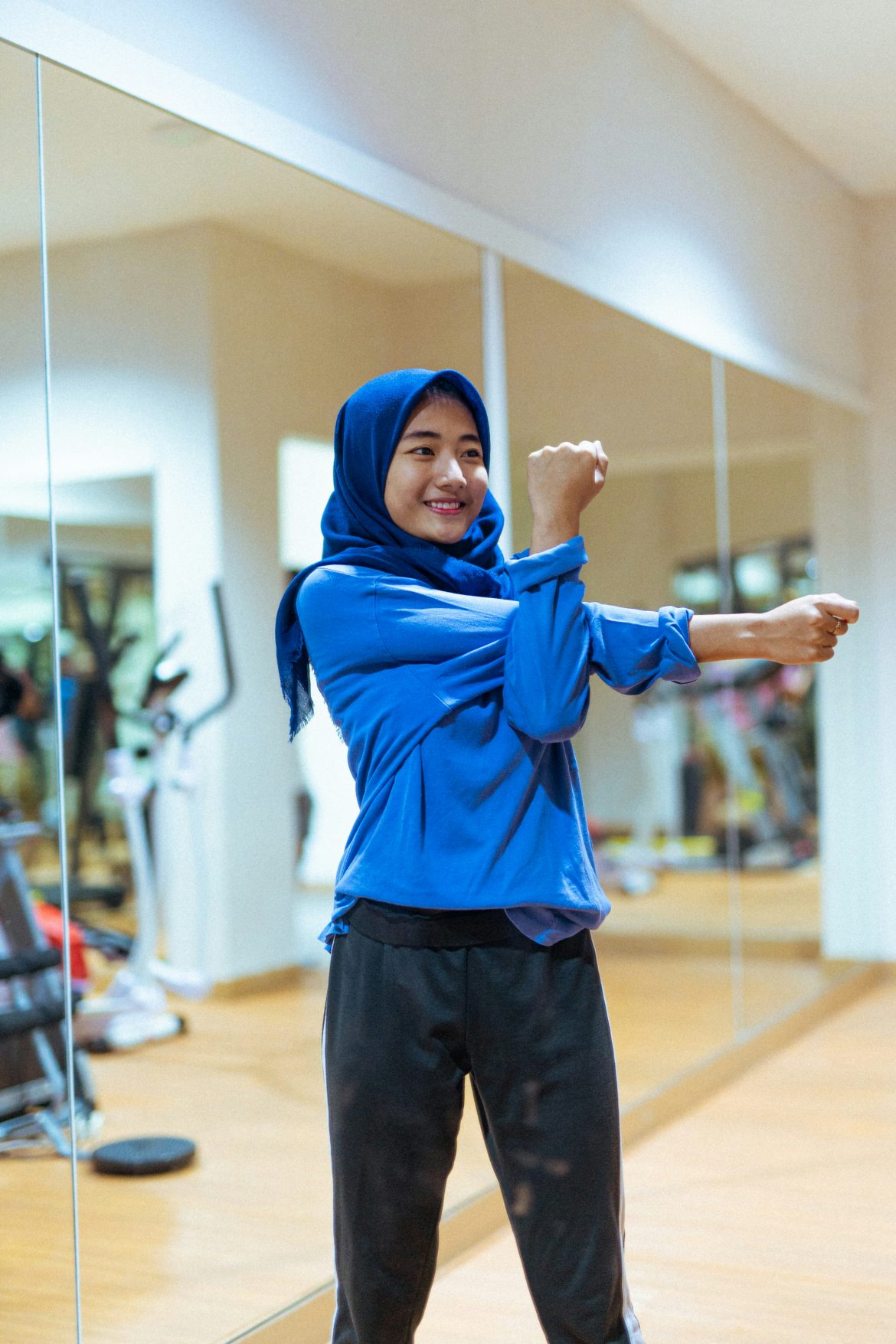
Ramadan is a time of discipline, reflection and spiritual growth. But for many women balancing family, work, worship and personal wellness, the question often arises: Should I exercise while fasting? The answer is yes – with the right approach. Your body is in a unique metabolic state during fasting, so your workouts need to adapt.
Here’s your complete guide to staying active safely and confidently throughout Ramadan:
ALSO SEE: 10 Top tips for staying healthy during Ramadan
Why exercise during Ramadan?
Light to moderate exercise during Ramadan can help you maintain muscle tone and strength, support mental clarity and mood, prevent sluggishness, help regulate sleep and reduce bloating and fatigue. However, intensity, timing and hydration are everything.
The dos of exercising during Ramadan
1. Choose the right time to exercise
Timing can make or break your workout during Ramadan. The best times to exercise are:
-
30–60 minutes before iftar (so you can hydrate immediately after; avoid midday workouts when dehydration risk is highest)
-
1–2 hours after iftar (once digestion has started)
-
Early morning after suhoor (if you tolerate it well)
2. Focus on low to moderate intensity
This is not the month to chase personal records. Great Ramadan-friendly workouts that improve circulation and energy without draining you include:
-
Brisk walking
-
Light strength training
-
Pilates
-
Yoga
-
Low-impact home workouts
Dehydration is the biggest risk during Ramadan workouts, so manage it wisely. Between iftar and suhoor:
-
Drink water consistently (not all at once)
-
Add electrolytes if needed
-
Eat hydrating foods like cucumber, watermelon and soups
4. Eat smart for recovery
Avoid breaking your fast with only sugary treats – this leads to crashes and fatigue. Post-workout (at iftar), prioritise:
-
Protein (chicken, fish, lentils, Greek yoghurt)
-
Complex carbs (brown rice, oats, whole grains)
-
Healthy fats (avocado, nuts, olive oil)
The don’ts of exercising during Ramadan
1. Don’t attempt high-intensity training while fasting
Avoid:
-
HIIT sessions
-
Long-distance running
-
Heavy weightlifting to failure
-
Intense cardio classes
These dramatically increase dehydration and dizziness risk.
2. Don’t ignore warning signs
Stop exercising immediately if you experience:
-
Dizziness
-
Blurred vision
-
Nausea
-
Rapid heartbeat
-
Severe fatigue
Your body is fasting – honour its limits.
3. Don’t skip suhoor
If you plan to work out during Ramadan, suhoor is essential. Skipping suhoor makes workouts significantly harder and increases muscle loss risk.
Include:
-
Slow-digesting carbs (oats, whole grain bread)
-
Protein (eggs, yoghurt, nut butter)
-
Fibre
-
Plenty of water
3. Don’t compare your performance to other months
Ramadan is not about peak athletic performance. It’s about balance. Lower energy levels are normal. Adjust your expectations and treat this month as a maintenance phase rather than a progression phase.
Special considerations
Women’s bodies respond differently to fasting depending on:
-
Hormonal cycles
-
Iron levels
-
Sleep quality
-
Postpartum or breastfeeding status
If you’re pregnant, breastfeeding, anaemic or dealing with hormonal imbalances, consult a healthcare professional before maintaining an exercise routine.
A balanced Ramadan wellness mindset
Ramadan teaches discipline – and that includes listening to your body. Exercise should support your spiritual goals, not exhaust you. Think of this month as a time to:
-
Maintain strength
-
Improve mobility
-
Prioritise gentle self-care
-
Build sustainable habits
You don’t need to do more. You need to do what supports you. The key is to move gently, hydrate wisely, eat intentionally and rest deeply. Your fitness journey doesn’t pause during Ramadan – it simply transforms.
ALSO SEE: