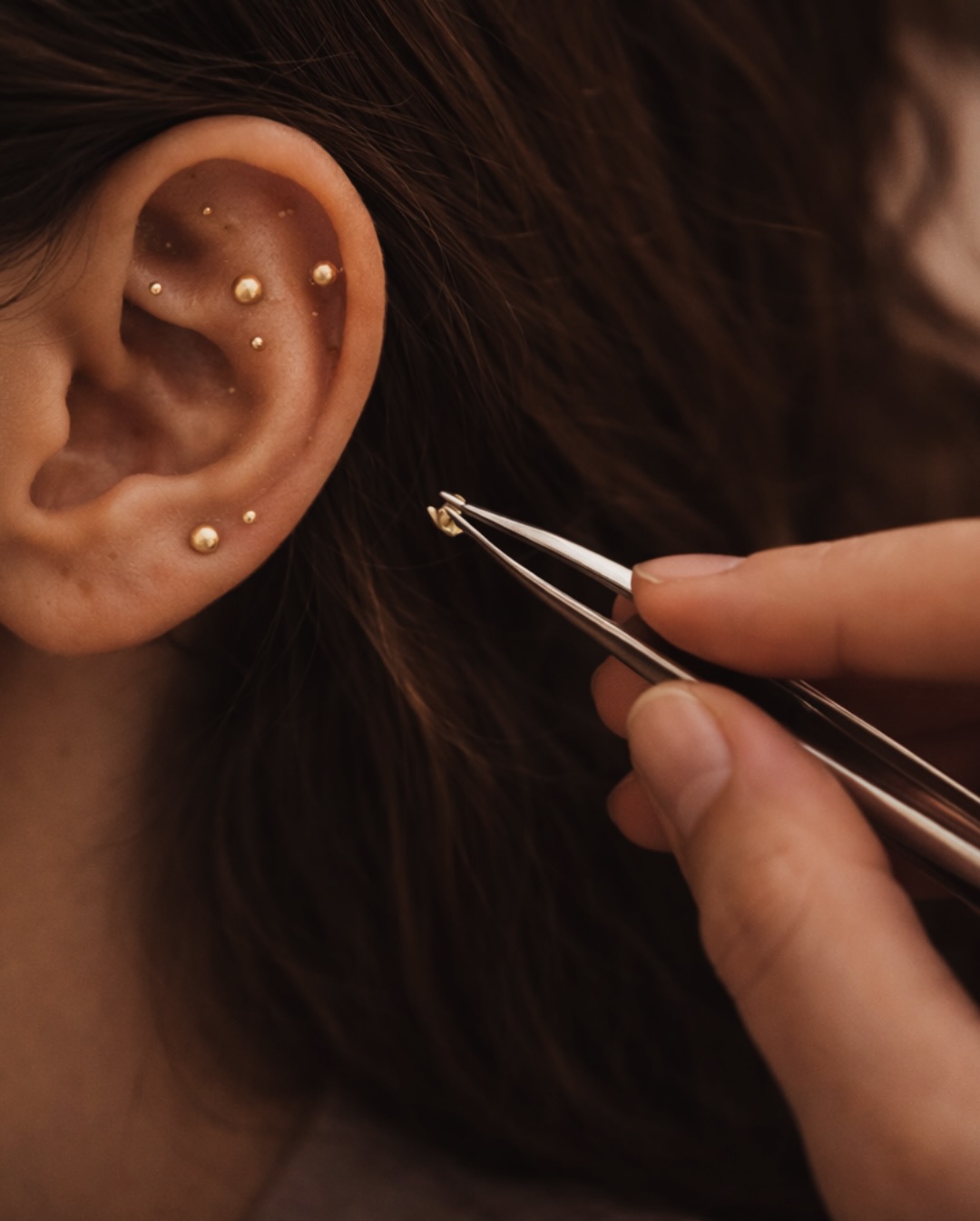
Ear seeding has quietly become one of the most talked-about alternative therapies. Rooted in Traditional Chinese Medicine (TCM) and modern auriculotherapy, this non-invasive practice offers a subtle yet powerful way to support both physical and emotional wellbeing — without needles, downtime, or discomfort.
If you’re curious about ear seeding and whether it’s worth adding to your wellness routine, here’s everything you need to know.
What is ear seeding?
Ear seeding is a form of auriculotherapy, based on the belief that the ear is a microsystem of the entire body. Much like reflexology of the feet, specific points on the ear correspond to different organs, systems, and emotional states.
Tiny seeds, crystals, or metal beads are placed on these points using small adhesive patches. By applying gentle pressure to these seeds throughout the day, you stimulate the corresponding areas of the body, encouraging balance and healing.
Unlike acupuncture, ear seeding involves no needles, making it an accessible option for those who prefer a gentler approach.
What are ear seeds made of?
Ear seeds can be made from:
-
Vaccaria seeds (traditional plant-based seeds)
-
Stainless steel or gold-plated beads
-
Crystals such as clear quartz, amethyst, or jade
Many people love that ear seeding can double as minimalist ear jewellery, making it both functional and visually appealing.
Benefits of ear seeding
While experiences vary from person to person, ear seeding is commonly used to support the following:
1. Stress relief and anxiety reduction
By stimulating calming points in the ear, ear seeding may help regulate the nervous system, reduce stress, and promote a sense of calm — especially helpful for those living with chronic stress or anxiety.
2. Improved sleep
Certain ear points are associated with relaxation and circadian rhythm regulation. Many people report deeper, more restful sleep after ear seeding sessions.
3. Pain management
Ear seeding is often used to support relief from headaches, migraines, menstrual pain, neck and back pain, and inflammation by encouraging the body’s natural pain-regulation pathways.
4. Hormonal balance support
Some practitioners use ear seeding to support hormonal health, including PMS symptoms, menopause-related discomfort, and cycle regulation.
5. Digestive and gut health support
By targeting digestive-related ear points, ear seeding may help with bloating, sluggish digestion, and appetite regulation.
6. Emotional balance and mental clarity
Ear seeding can be used to support emotional processing, focus, and grounding — making it popular among those seeking mental clarity or emotional resilience.
7. Support for weight management goals
Ear seeding is sometimes used as a complementary tool for mindful eating and appetite awareness. While it’s not a weight-loss solution on its own, it may help support healthier habits when paired with lifestyle changes.
What to expect during an ear seeding session
A session typically lasts between 20 and 45 minutes. Your practitioner will:
-
Discuss your health goals and concerns
-
Clean your ears thoroughly
-
Place seeds on specific points tailored to your needs
-
Show you how to gently stimulate the seeds at home
Seeds are usually left in place for 3 to 7 days, depending on sensitivity and practitioner guidance.
Aftercare tips
To get the most from your ear seeds:
-
Gently press each seed 1–3 times a day
-
Avoid excessive moisture or friction
-
Remove seeds if you experience irritation
-
Listen to your body — subtle shifts are normal
Is ear seeding safe?
Ear seeding is generally considered safe when performed by a trained practitioner. However, it may not be suitable for everyone. Those with skin sensitivities, infections in the ear area, or metal allergies should proceed with caution.
As with any wellness practice, ear seeding should be viewed as complementary, not a replacement for medical care.
Ear seeding is a beautifully gentle way to support your body’s natural healing processes. Whether you’re seeking stress relief, hormonal support, better sleep, or a deeper connection to your wellbeing, this ancient practice offers a low-risk, accessible entry point into holistic health.
Sometimes, the smallest touchpoints can create the biggest shifts.
ALSO SEE:
How your hormones respond to holiday stress and what to do about it
Featured Image: @herawellnessspace/Instagram