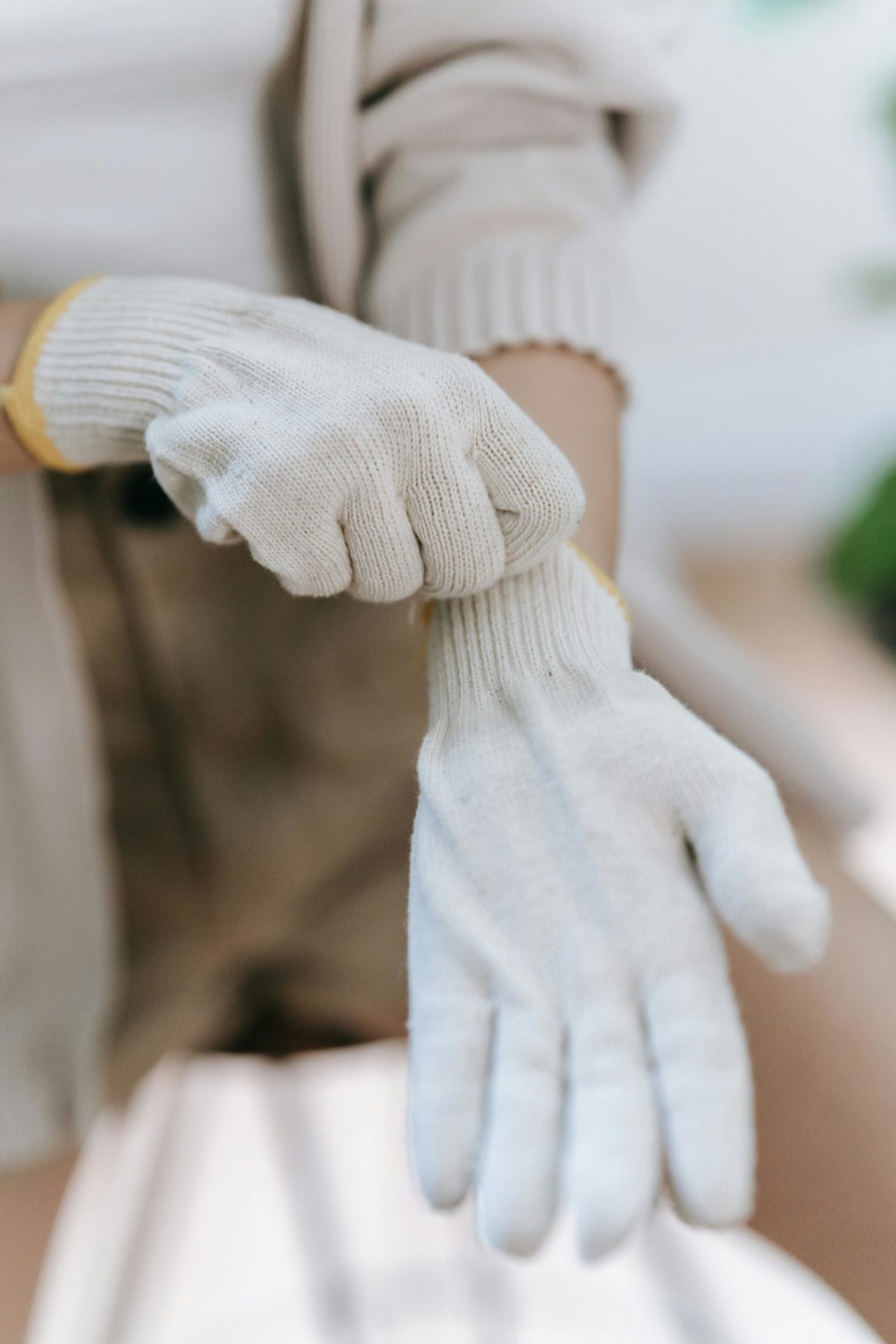
There’s a very specific kind of discomfort that comes with winter. Your body might be layered, cosy, and warm but your hands and feet feel like ice. Even indoors. Even under blankets. If this sounds familiar, you’re not imagining it.
Cold extremities are incredibly common in colder weather, and your body actually has a very logical reason for it.
Your body is prioritising survival
When temperatures drop, your body shifts into preservation mode. One of the key processes behind this is vasoconstriction – a narrowing of blood vessels, particularly in your extremities.
This means less warm blood is sent to your hands and feet, and more is redirected to protect your vital organs like your heart, lungs, and brain. From a biological perspective, your body is choosing function over comfort.
So while your fingers might feel painfully cold, your core temperature is being carefully regulated. It’s not a flaw, it’s a protective mechanism.
Why some people feel it more than others
Not everyone experiences cold hands and feet to the same degree. A few factors can make you more sensitive to cold:
- Lower body fat levels: Less insulation means heat escapes more easily
- Hormonal fluctuations: Particularly common in women, affecting circulation and temperature regulation
- Iron levels: Low iron can impact oxygen transport, making you feel colder
- Circulation efficiency: Some people naturally have slower peripheral circulation
- Stress and anxiety: These can trigger vasoconstriction, worsening the sensation
For some, extreme sensitivity could be linked to conditions like Raynaud’s phenomenon, where blood flow to fingers and toes becomes significantly restricted in response to cold or stress.
The fashion factor: Are your outfits working against you?
Interestingly, what you wear (and how you wear it) plays a bigger role than you might think.
Tight clothing, especially around the wrists, ankles, or waist – can restrict blood flow further. On the other hand, strategic layering helps trap heat and maintain circulation.
Think thermal socks instead of thin fashion socks, slightly looser boots to allow blood flow or layering with breathable fabrics rather than just piling on bulk. Style doesn’t need to be sacrificed but comfort should be considered part of the aesthetic.
Your circulation meeds movement
If you’ve ever noticed your hands getting colder when you’re sitting still for long periods, there’s a reason. Movement helps stimulate blood flow.
Small habits can make a noticeable difference like stretching your fingers and toes, taking short walks and even something as simple as rotating your ankles or clenching your fists.
Circulation thrives on motion that winter tends to slow us down, which only amplifies the issue.
Warmth starts internally too
It’s not just about external layers. Your internal environment matters.
Warm foods and drinks can support circulation by gently raising your core temperature. Think soups, teas, and meals rich in iron and healthy fats.
Hydration also plays a role. When you’re dehydrated, your blood volume can decrease slightly, making it harder for your body to circulate warmth efficiently.
When is it something more?
Cold hands and feet are usually harmless, but there are moments when it’s worth paying closer attention.
If you notice persistent numbness or tingling, skin turning white, blue, or purple or pain when warming up – it may be worth exploring underlying causes with a healthcare professional.
Cold hands and feet aren’t just a winter inconvenience – they’re a reflection of how intelligently your body adapts to its environment.
Instead of fighting it, think of it as something to work with:
- Dress with circulation in mind
- Keep your body moving
- Support warmth from the inside out
Because winter isn’t just about staying warm – it’s about understanding your body well enough to feel comfortable in it.
ALSO SEE:
Featured Image: Pexels