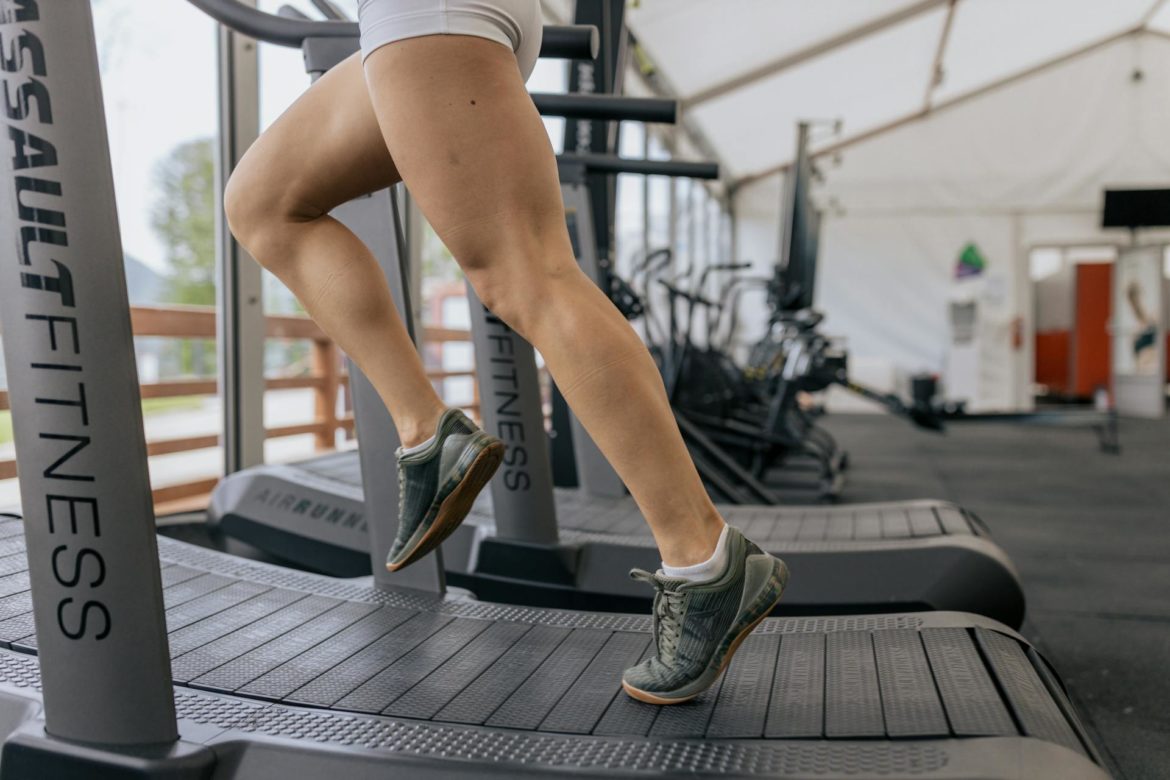
Most of us know that regular exercise is good for the brain in the long term. What a new study suggests is that the benefits can start considerably sooner than that.
Research published in the journal Brain Communications found that just twenty minutes of moderate-intensity cycling produced measurable changes in brain activity linked to memory and learning. The effects were observed after a single session, not after weeks of training, which makes the findings particularly relevant for anyone looking for a practical, immediately applicable tool for mental performance.
What the study found
Researchers worked with fourteen patients who were being monitored for drug-resistant epilepsy and had electrodes temporarily implanted as part of their pre-surgical care. This gave the research team an unusually direct window into brain activity, allowing them to measure precise changes after exercise that would not be detectable through standard external monitoring.
After a baseline measurement at rest, participants completed twenty minutes of moderate-intensity cycling. Post-exercise brain recordings showed a significant uptick in what researchers call brain ripples: brief bursts of highly synchronised activity in the hippocampus, the brain region most closely associated with memory and learning. These ripples are thought to represent the brain organising and stabilising information, essentially the brain doing its filing. Importantly, the researchers also found a relationship between heart rate and ripple activity: the higher the heart rate during exercise, the greater the subsequent increase in ripple activity, suggesting that more intense workouts may produce even stronger effects.
Why exercise triggers this response
The precise mechanism is not yet fully understood, but several explanations are supported by existing research. Exercise has been shown to increase connectivity between different parts of the brain, and brain ripples may be one route through which this connection is strengthened. Exercise also improves how the brain uses glucose, its primary fuel source, which may explain the link between higher heart rates and stronger ripple activity: more physical exertion activates more of the body’s systems, including the brain’s energy supply.
Interestingly, similar ripple activity has been observed during deep sleep, when the brain consolidates memories formed during the day. The overlap between post-exercise brain states and deep sleep brain states suggests that exercise may create conditions in the brain that are unusually receptive to learning and memory consolidation.
What this means practically
The study was small and its findings will need to be replicated in larger populations before firm conclusions can be drawn. The participants were also a specific group with a neurological condition, which limits how directly the results translate to the general population. That said, the researchers note that the findings are consistent with a growing body of evidence linking aerobic exercise to improved cognitive function, and there is no harm in applying the most obvious practical implication.
If you have an important meeting, a difficult conversation, an exam or any situation where you need your memory and mental sharpness to be at their best, scheduling a twenty-minute walk, run, or cycling session beforehand is a low-risk, evidence-adjacent way to prime your brain. The study only examined cycling, but the lead researchers suggest that any aerobic activity that raises the heart rate to a moderate level, including running, swimming or brisk walking, is likely to produce similar effects. The key variable appears to be heart rate elevation, not the specific form of exercise.
The broader picture
This study adds to an already substantial body of evidence suggesting that the mental benefits of exercise are not simply a side effect of improved physical health but a direct, immediate and measurable neurological response. The brain, it turns out, does not wait for the long-term cardiovascular benefits of a sustained exercise habit before showing up for work. Twenty minutes of moderate effort, right now, appears to be enough to shift the conditions inside it.
ALSO SEE:
Featured Image: Pexels