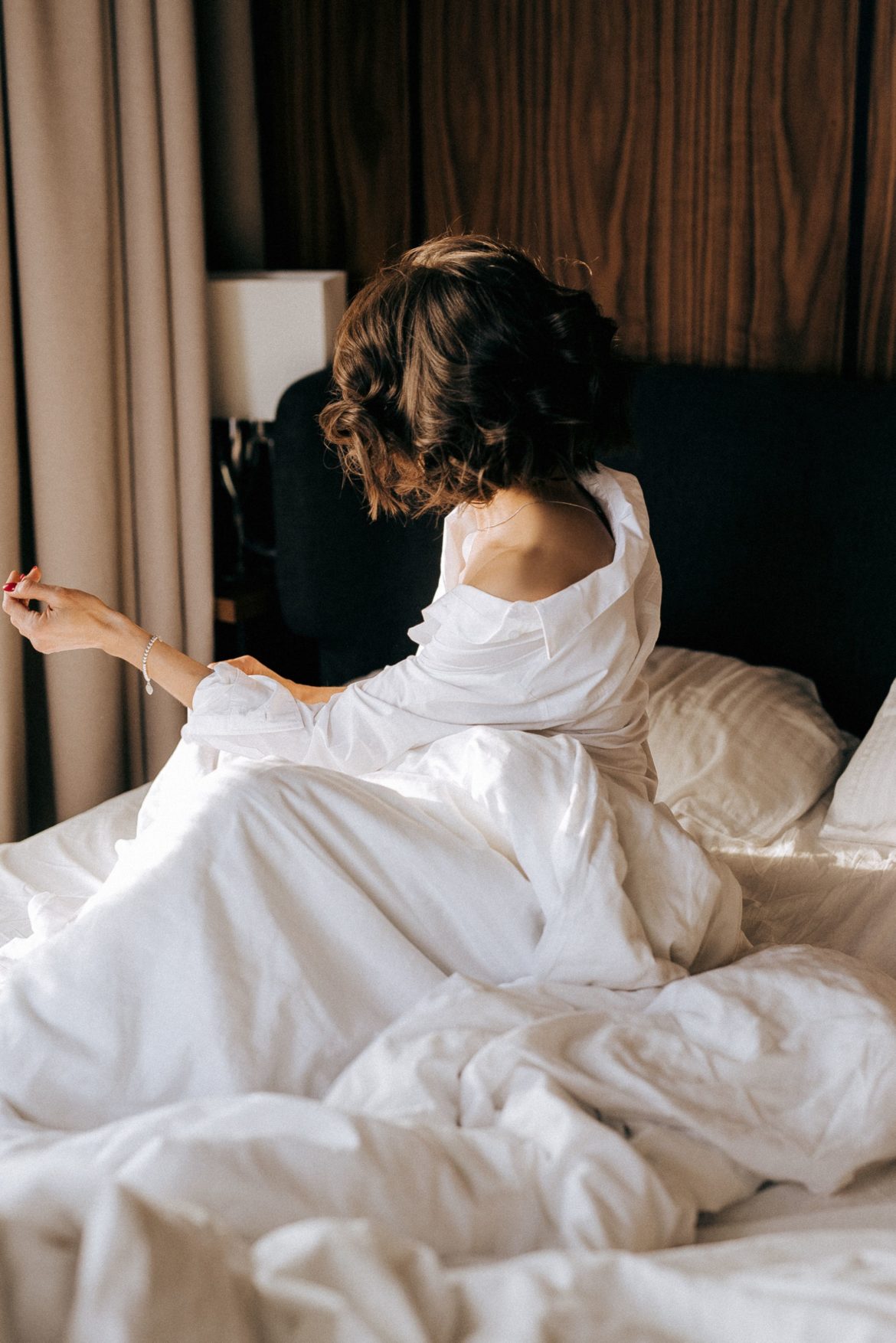
There’s something about slipping into crisp hotel sheets, closing the curtains on an unfamiliar city and waking up somewhere completely different that can make sleep feel easier. But is it the bed — or is it all in our heads?
There is a particular kind of magic that happens when you check into a hotel. Your suitcase is unpacked, the room is beautifully made, your phone somehow feels less urgent and, for a night or two, the usual responsibilities of home seem to exist somewhere far beyond the hotel door.
And then comes bedtime.
You shower, put on your pyjamas, slide between impossibly crisp sheets and suddenly find yourself sleeping more deeply than you have in weeks.
But why?
A change of environment can change your mind
Our brains are deeply connected to our surroundings. At home, the bedroom can carry a long list of associations: work emails, laundry, bills, unfinished tasks, tomorrow’s alarm and the general mental clutter of everyday life.
A hotel room, on the other hand, has very little history.
You haven’t spent weeks worrying in that bed. You haven’t answered emails from the bedside table. You haven’t associated the room with household chores or scrolling until midnight.
It is simply a place to rest.
That psychological separation can make it easier to mentally switch off.
The luxury of having nothing to do
One of the most underrated benefits of staying in a hotel is the absence of domestic responsibility.
There is no washing to fold. No kitchen to clean. No bed to make in the morning. No pile of clothes silently reminding you that you’ve been putting off your laundry.
Even small luxuries — fresh towels, room service, blackout curtains and someone else making the bed — create a sense that you are temporarily relieved of responsibility.
And when the brain isn’t constantly scanning for the next task, relaxation becomes considerably easier.
The hotel effect: Everything is designed for sleep
Good hotels understand something many of us forget at home: the bedroom is supposed to encourage rest.
Think blackout curtains, layered lighting, comfortable temperatures, minimal clutter, quiet colour palettes and beds designed to feel almost absurdly inviting.
There is also the sensory experience. Fresh linen has a particular smell. Towels feel softer. The room may have a subtle signature scent. Lighting tends to be warmer and gentler in the evening.
None of these things necessarily guarantees better sleep, but together they create an environment that communicates one very clear message to your brain:
It is time to switch off.
Novelty can make us feel more present
There is another psychological element at play – novelty.
When we travel, we become more aware of our surroundings. The sound outside the window, the architecture of the building, the unfamiliar artwork on the wall or the first light coming through the curtains can make us feel more present.
That sense of being somewhere new can interrupt the autopilot of everyday life.
Instead of thinking about the same routines and responsibilities, we are paying attention to where we are.
And sometimes, simply being more present is enough to make a night feel different.
But there is a catch
Interestingly, not everyone sleeps better in a hotel.
In fact, unfamiliar environments can initially make sleep more difficult. Your brain may remain slightly more alert because it doesn’t recognise the surroundings.
This is sometimes referred to as the first-night effect. Research into sleep in unfamiliar environments has found that people can experience changes in sleep when staying somewhere new, including lighter or more fragmented sleep.
So if you’ve ever spent your first night in a beautiful hotel staring at the ceiling while your partner sleeps peacefully beside you, you’re certainly not alone.
The good news? Once the environment becomes familiar, that heightened alertness can settle.
Why hotel beds feel so good
Let’s not overlook the obvious, the bed matters.
Hotels often invest heavily in mattresses, pillows, duvets and bedding because sleep is one of the central components of the guest experience.
There is also a psychological component to the perfectly made bed. At home, getting into bed can sometimes mean crawling beneath yesterday’s duvet after a long day.
In a hotel, the bed is presented almost like an invitation.
Crisp sheets. Fluffed pillows. A neatly folded duvet.
It feels intentional.
And that sense of ceremony can make bedtime feel less like something we squeeze into the end of the day and more like an experience in itself.
How to bring the hotel feeling home
You don’t need a five-star booking to recreate some of the psychology of a hotel room.
Make the bed properly
Treat your bed as the centrepiece of the bedroom rather than somewhere you collapse at the end of the day.
Create a lighting ritual
Switch off harsh overhead lights and introduce softer lamps as the evening progresses.
Keep the bedroom visually calm
Clear unnecessary clutter from bedside tables and surfaces. A quieter environment can feel considerably more restful.
Invest in bedding you genuinely love
You don’t need the most expensive sheets available. Focus on textures, temperature and comfort.
Keep work out of the bedroom where possible
Creating a distinction between spaces for productivity and spaces for rest can help establish stronger mental associations.
Give yourself a proper wind-down
Take a shower, put on comfortable sleepwear, make a cup of tea or read a few pages of a book. Repeating the same sequence each evening creates a cue that bedtime is approaching.
Try a little ‘hotel mode’
Put your phone on Do Not Disturb. Close the curtains. Tidy the room. Turn down the lights. Get into bed with nothing left on your to-do list — at least for tonight.
Perhaps we don’t sleep better because we’re away
The next time you wake up in a hotel feeling unusually rested, it may not simply be because you are on holiday.
Perhaps it is because, for a brief moment, you have removed yourself from the visual reminders, responsibilities and routines of everyday life.
A hotel room gives you permission to stop.
And maybe that’s the real luxury.
Not the fluffy robe. Not the minibar. Not even the impossibly comfortable bed.
Just the rare feeling that there is nowhere else you need to be.
ALSO SEE:
Featured Image: Pexels