A home doesn’t have to be large to feel luxurious. Often, it’s not the square footage that’s the problem, it’s the styling choices. Whether you’re decorating a compact apartment or simply want your living spaces to feel lighter and more open, avoiding a few common décor mistakes can make all the difference.
The good news? You don’t need to knock down walls or invest in a complete renovation. Sometimes, the smallest styling tweaks have the biggest impact.
1. Choosing furniture that’s too big (or too small)
One of the biggest misconceptions in decorating is that a small room requires tiny furniture. While oversized sectionals can overwhelm a space, filling a room with lots of miniature pieces often makes it feel cluttered.
Instead, choose fewer, well-proportioned furniture items that fit the room comfortably. A sofa with exposed legs, for example, creates visible floor space underneath, making the room feel airier. Likewise, opting for one larger coffee table instead of several small side tables can reduce visual clutter.
Style tip: Before buying new furniture, map out the dimensions with masking tape on the floor to ensure everything fits comfortably.
2. Pushing every piece of furniture against the walls
It may seem logical to push sofas, chairs and cabinets against the walls to create more floor space, but this often has the opposite effect.
Floating your furniture – even by just a few centimetres – creates breathing room and gives a space a more intentional, designer look. It also encourages better conversation areas and improves the overall flow of the room.
This trick works particularly well in living rooms where furniture can be centred around a rug rather than the perimeter of the space.
3. Using dark colours everywhere
Rich colours can create warmth and sophistication, but when every wall, piece of furniture and accessory is dark, a room can begin to feel enclosed.
That doesn’t mean your home has to be all white. Soft neutrals, warm beiges, sage greens, muted blues and earthy stone tones reflect more light while still feeling cosy and elegant.
If you love darker shades, use them strategically as accents through cushions, artwork, throws or feature furniture instead of covering every surface.
Style tip: Contrast creates depth. Mixing light and dark elements prevents a room from feeling flat or boxed in.
4. Ignoring natural light
Natural light is one of the easiest ways to make any room feel larger, yet it’s often blocked by heavy curtains, bulky blinds or poorly placed furniture.
Maximise sunlight by:
- Hanging curtains higher and wider than the window frame.
- Choosing sheer fabrics that soften rather than block daylight.
- Keeping window sills relatively clear.
- Positioning mirrors opposite windows to reflect light throughout the room.
Even if your home doesn’t receive abundant natural light, strategically placed mirrors and layered lighting can create a similar sense of openness.
5. Decorating every surface
Open shelves overflowing with décor, crowded countertops and packed coffee tables can quickly make even a spacious room feel cramped.
One of the secrets professional interior designers rely on is negative space—the empty areas that allow your eye to rest.
Rather than displaying every decorative item you own, curate your favourite pieces.
Think:
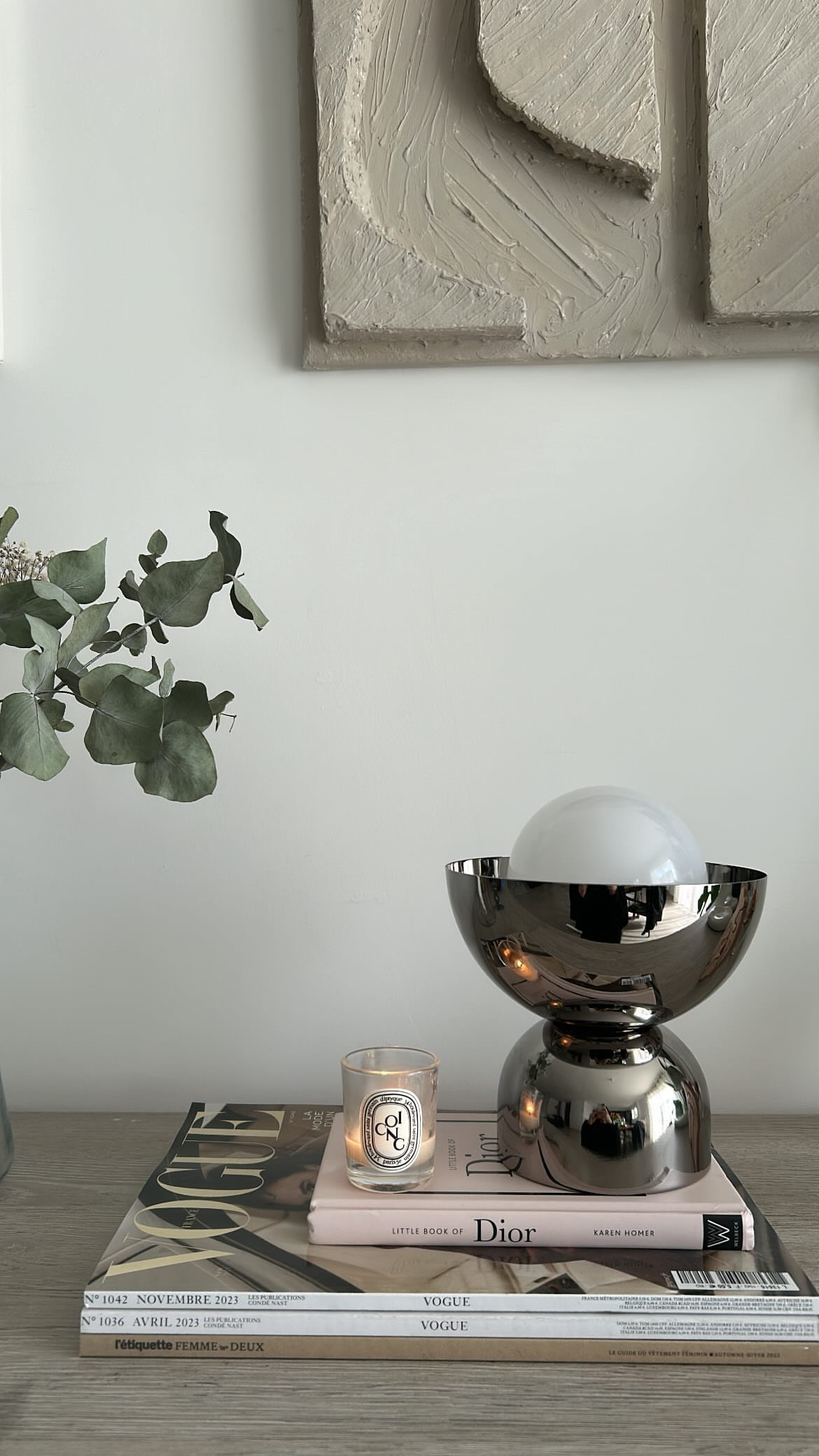
- A stack of beautiful coffee table books.
- One sculptural vase.
- A candle.
- A small plant.
The result feels far more sophisticated than dozens of small decorative accessories competing for attention.
A good rule? After styling a surface, remove one or two items. You’ll often find it looks even better.
Bonus tip: Don’t forget vertical space
Many homeowners decorate only at eye level, forgetting that walls can help create the illusion of height.
Hang artwork slightly higher, install tall bookshelves, or incorporate floor-to-ceiling curtains to naturally draw the eye upward.
Adding vertical elements makes ceilings appear taller and rooms feel significantly more spacious.
Small changes, big difference
Creating a home that feels larger isn’t about chasing trends or buying expensive furniture. It’s about making thoughtful styling decisions that improve flow, maximise light and reduce visual clutter.
Whether you’re living in a cosy apartment or simply want your home to feel calmer and more spacious, avoiding these common decorating mistakes can completely transform the way your space looks and more importantly, how it feels.
Because great interior design isn’t measured in square metres. It’s measured in how comfortably and beautifully you live within them.
ALSO SEE:
Featured Image: DupePhoto