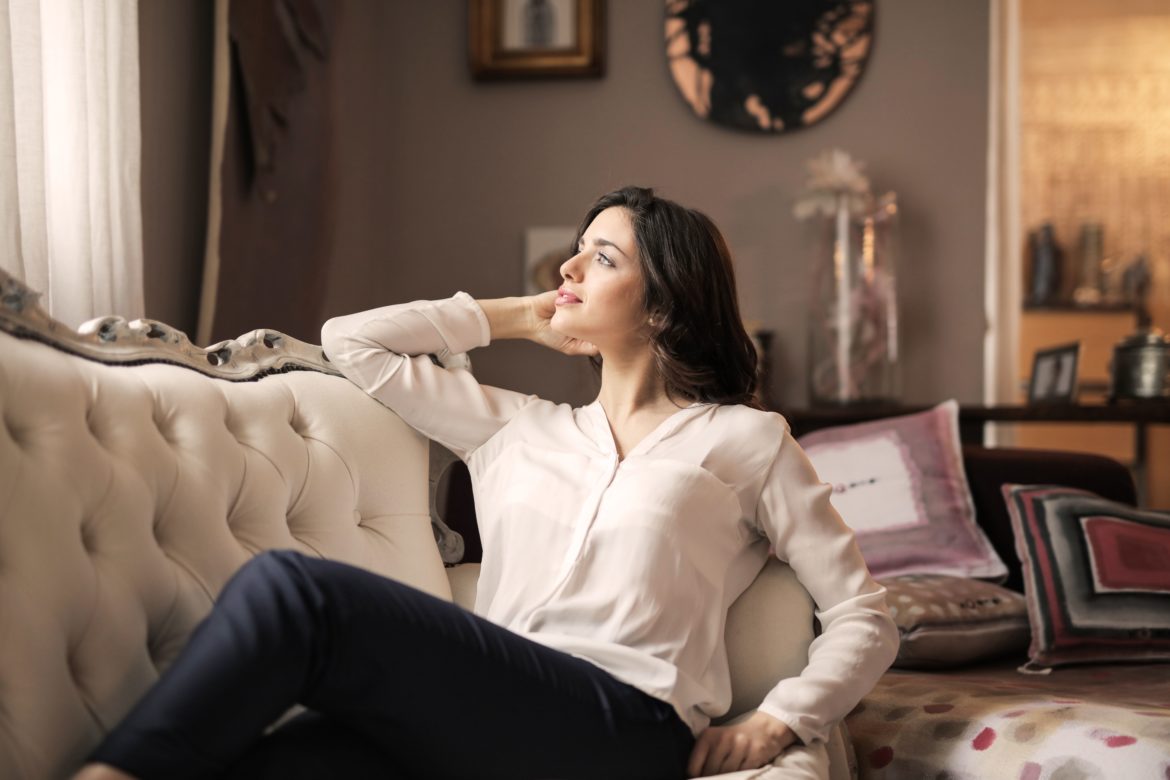
Think about the difference between walking into a room that feels calm, considered and inviting versus one that feels chaotic and overcrowded. Your brain notices the difference — even when you aren’t consciously thinking about it.
So, could your home actually be affecting your mood? Quite possibly. Here’s how the psychology of your space can shape the way you feel.
Your environment talks to your brain
Our brains are constantly taking in information from our surroundings. Colour, light, sound, temperature, texture and the arrangement of objects all contribute to how we experience a space.
A home that feels visually overwhelming can create a sense of mental clutter, while a room with clear surfaces, comfortable furniture and thoughtful lighting may feel easier to relax in.
This doesn’t mean your home needs to look like a minimalist showroom. In fact, a perfectly styled home isn’t necessarily a happy home. The goal is to create an environment that supports the way you actually want to live.
Clutter can create mental noise
There is a reason clearing your desk can suddenly make a busy day feel a little more manageable.
When there are piles of laundry, overflowing cupboards, dishes waiting to be washed and belongings without a designated place, your brain has more visual information to process. For some people, this can contribute to feelings of overwhelm and stress.
The answer isn’t necessarily to declutter your entire home in one dramatic weekend. Start with the spaces you use most often.
Clear your bedside table. Organise the kitchen counter. Put away the clothes that have been sitting on a chair for three days. Small changes can make a space feel noticeably lighter.
Light matters more than you think
Natural light is one of the easiest ways to transform the atmosphere of a room.
Bright, naturally lit spaces tend to feel energising and uplifting, while dimmer lighting can help create a more intimate and restful atmosphere. This is why your lighting choices should change depending on the room and the time of day.
During the day, open the curtains and blinds and let natural light in wherever possible. In the evening, swap harsh overhead lighting for lamps, wall lights or softer sources of illumination.
Your home should have different lighting moods — just as you do.
Colour can set the tone
Colour is another powerful element of our environment. While responses to colour are personal and cultural associations vary, certain colours can influence the atmosphere we perceive in a room.
Soft, muted shades can create a quieter feeling, while warmer or more saturated colours can bring energy and personality into a space.
But don’t get too caught up in colour psychology charts telling you that one particular shade will magically make you happier. The most important question is – how does this colour make you feel?
If a particular shade makes you feel calm, inspired or at home, that’s more useful than following an interiors rule simply because it’s trending.
Your bedroom should encourage you to switch off
Your bedroom is one of the most important rooms when it comes to creating a sense of calm.
If your bed is surrounded by work laptops, piles of paperwork, exercise equipment and endless notifications, it can become difficult for your brain to associate the room with rest.
Try making your bedroom feel like a retreat. Keep unnecessary clutter to a minimum, choose comfortable bedding, soften the lighting in the evening and keep work-related items elsewhere where possible.
Even small rituals can help: making the bed in the morning, opening the curtains, spraying a calming room mist or putting your phone away before sleep.
Don’t underestimate the power of scent
Scent has a particularly strong connection to memory and emotion. A familiar fragrance can instantly transport you somewhere — to a childhood home, a holiday destination or a particular moment in your life.
This makes fragrance an easy way to influence the atmosphere of your home.
You might prefer something fresh and citrusy in the kitchen, floral or clean notes in the bedroom, or warmer woody scents in your living space. There are no hard rules; choose fragrances that create the emotional atmosphere you want.
Texture can make a space feel more comfortable
A room can look beautiful and still feel cold.
Texture adds warmth and sensory interest to a space. Think soft throws, cushions, natural wood, woven baskets, linen curtains, rugs and tactile ceramics.
These details aren’t simply decorative. They can make a room feel more inviting and comfortable, encouraging you to actually spend time there.
Your home should be something you experience, not simply something you look at.
Your home doesn’t have to be perfect
Perhaps the most important part of creating a mood-supportive home is accepting that it doesn’t need to be perfect.
Real homes have laundry baskets. They have dishes in the sink, shoes by the door and mornings when the bed doesn’t get made. A home should support your life, not become another source of pressure.
Instead of asking: ‘does my home look good enough?’, try asking: ‘does my home feel good to live in?’
That small shift can completely change the way you approach your space.
Because ultimately, the psychology of your home isn’t about creating a picture-perfect interior. It’s about creating a space that makes everyday life feel a little calmer, more comfortable and more like you.
ALSO SEE:
Featured Image: Pexels