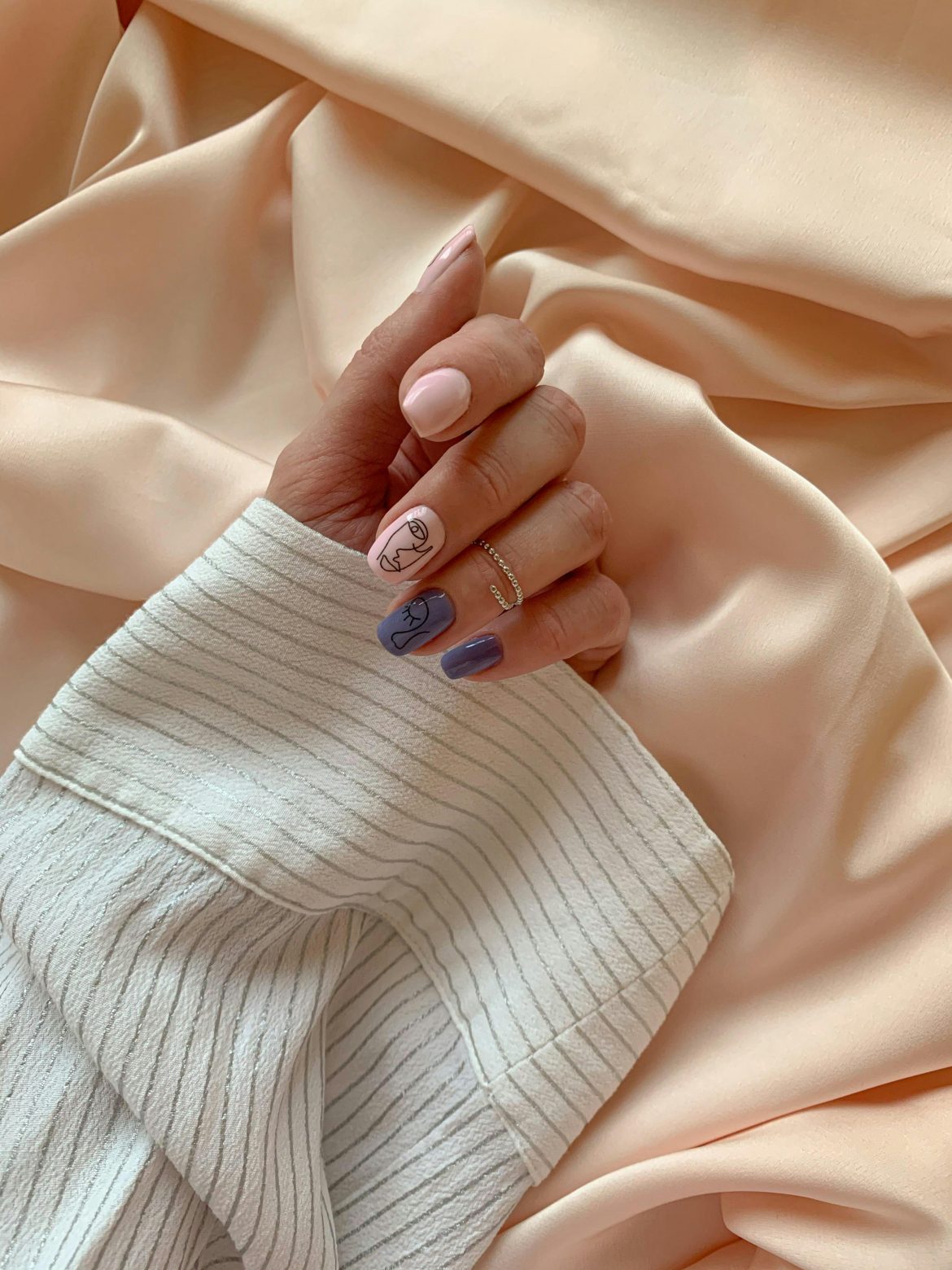
If your nail polish starts chipping before the week is out, there is a technique that promises more commitment. The Brazilian manicure has gained popularity for one reason: longevity. Unlike a traditional manicure, where polish is carefully applied within the nail lines, this method deliberately goes beyond them, then cleans everything up for a razor-sharp finish.
It sounds counterintuitive. It is also surprisingly effective.
What is a Brazilian manicure?
A Brazilian manicure is a nail technique focused on precision, deep cuticle work and extended wear.
The defining feature is this: polish is intentionally painted over the cuticle area and surrounding skin. Once applied, the excess is carefully removed with an acetone-soaked stick or fine brush, leaving colour pushed right up to the base of the nail.
The result is a manicure that looks fresher for longer because there is no visible gap between the polish and the cuticle line.
Why does it last longer?
The key is how close the polish sits to the nail fold.
With a standard manicure, technicians often leave a small margin to avoid flooding the cuticle. As your nails grow, that gap becomes visible within days.
With the Brazilian technique, polish is applied slightly under the cuticle edge before being cleaned away. This creates the illusion of a just-done manicure for longer as regrowth takes more time to show.
It is not stronger than gel polish, but visually it lasts longer because the grow-out phase is less obvious.
How is it different from a Russian manicure?
The two are often confused, but they are not the same.
A Russian manicure:
-
Uses an electric file to remove cuticle build-up
-
Focuses heavily on cuticle precision
-
Is typically finished with gel polish
A Brazilian manicure:
-
Uses traditional cuticle tools
-
Applies regular nail polish
-
Relies on deliberate over-application and clean-up for precision
The finish may look similar, but the tools and process differ.
Can you do a Brazilian manicure at home?
Yes, but precision matters.
If you want to try it yourself, you will need:
-
Nail polish remover or acetone
-
Cotton buds or a fine clean-up brush
-
A wooden cuticle stick
-
Regular nail polish and base coat
-
Cuticle nippers or a gentle cuticle pusher
Step-by-step guide
-
Prep properly
Remove old polish, shape your nails and gently push back cuticles. Trim excess cuticle carefully if needed. Clean, dry nails are essential for longevity. -
Apply base coat
A thin base coat helps prevent staining and improves adhesion. -
Paint beyond the lines
Apply your chosen polish generously, covering the nail and slightly overlapping onto the surrounding skin near the cuticle and side walls. -
Clean up immediately
Dip a fine brush or wooden stick wrapped in cotton into acetone. Carefully trace around the nail edge to remove excess polish from the skin. Take your time. This is where the precision happens. -
Seal with top coat
Finish with a glossy top coat, capping the free edge of the nail to help reduce chipping.
The most common mistake is rushing the clean-up stage. If you remove too much, you defeat the purpose. If you leave too much, it can look messy.
Who should avoid it?
If you have:
-
Very sensitive cuticles
-
Broken skin around the nails
-
Active infections or inflammation
it is best to skip deep cuticle work and focus on gentle nail care instead.
Over-trimming cuticles can increase the risk of irritation and infection. The goal is neatness, not aggression.
Is it better than gel?
It depends on what you want.
A Brazilian manicure with regular polish:
-
Feels lighter than gel
-
Is easier to remove
-
Can look fresher for longer than a traditional manicure
Gel polish, however, is generally more chip-resistant.
If you prefer lacquer but want it to last longer without obvious regrowth, this technique bridges the gap.
The bottom line
The Brazilian manicure is less about bold colour and more about strategic placement.
By pushing polish right up to the cuticle and cleaning it back with precision, you extend the life of your manicure without switching to gel.
It requires patience and a steady hand, but the payoff is a glossy finish that looks newly done days later.