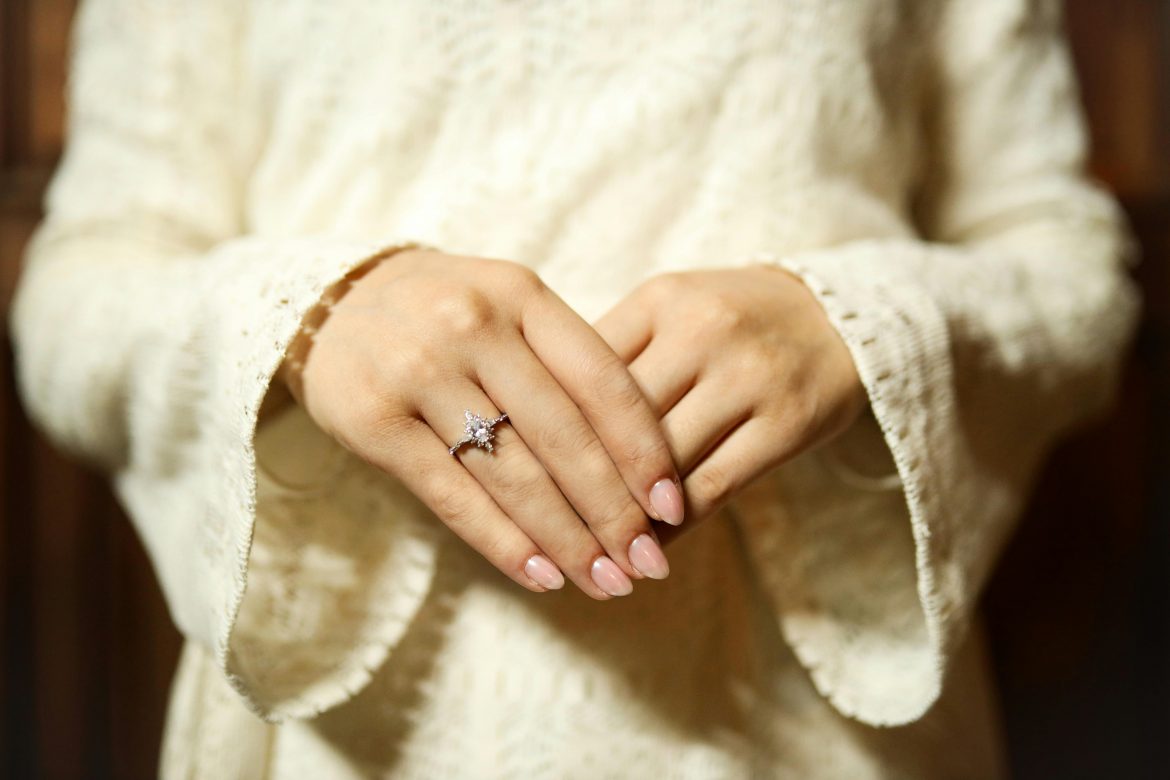
Acrylics are brilliant for length and shape, but the wrong removal can leave your natural nails thin, sore and peeling. You can take them off at home if you work slowly, use the right products, and resist the urge to peel. Here’s the salon-safe method you can do at home.
Before you start
Work at a table with good light and ventilation. Pure acetone removes acrylic efficiently — look for 98–100% acetone. Protect your skin by smoothing a thin layer of petroleum jelly around, not on, the nails. Have a soft towel to hand, and keep drinks and candles well away from acetone; it’s highly flammable.
You’ll need nail clippers, a medium nail file (100/180 grit), a gentle buffer, pure acetone, cotton pads or balls, kitchen foil cut into strips, a cuticle pusher or orangewood stick, a small glass or ceramic bowl (if soaking), and nourishing cuticle oil plus hand cream for afterwards. If you own an electric file but you’re not trained, skip it — over-filing is the fastest route to damage.
Trim and thin — the prep that protects your nails
Clip the extensions down to just beyond your fingertip. Next, file the surface of each nail to break the glossy topcoat and thin the acrylic. Keep the file moving and stop as soon as you glimpse your natural nail; you’re creating “tooth” so the acetone can get in, not trying to sand everything off.
Choose your removal method
Both of these work. Pick one and stick with it — switching mid-way just dries your nails out.
The foil wrap (clean and controlled)
Saturate a small piece of cotton with acetone, place it on the nail, then wrap the fingertip snugly in foil. Do all ten fingers. Wait 15–20 minutes. Unwrap one nail and test gently with a pusher: the acrylic should look soft and flake away from cuticle to tip. If it resists, re-wrap for another 5–10 minutes. Work finger by finger, re-wrapping any stubborn areas rather than scraping hard.
The bowl soak (simple and quick)
Pour a shallow pool of acetone into a small glass or ceramic bowl. Rest your fingertips in it — not your whole fingers — for 15 minutes. Lift out, push away softened product, and return to the bowl as needed. Cover the bowl with a folded towel while you soak to reduce fumes. Never heat acetone and never microwave it.
Tidy without over-doing it
When the acrylic is off, you may see a whisper-thin residue. Use the soft side of a buffer with a few light strokes to smooth, then wash hands with soap and cool water. Shape the free edge with a fine file, following the natural curve, and avoid sawing back and forth.
Rehydrate and rebuild
Acetone dehydrates the nail plate and skin. Flood each nail and the surrounding skin with cuticle oil, massage for a full minute, then seal with hand cream. For the next 7–10 days, keep nails short, oil them twice daily, and apply a light-strengthening base (look for keratin, biotin or calcium) every other day. If you want colour, use breathable base and remove with a non-acetone remover.
Red flags — when to stop and see a pro
Pain, heat, or pink, shiny patches on the nail plate mean you’ve hit a natural nail. Stop filing, oil generously and give your nails a week off. If you notice green, brown or lifting patches under old product, skip DIY and book a professional removal to rule out infection.
Common mistakes to avoid
Don’t peel, pry or “floss” acrylic off — it strips layers of your natural nail. Don’t use metal tools at steep angles. Don’t rush the timing; extra five-minute wraps are safer than heavy scraping. Don’t leave acetone sitting on the skin; keep it to the nail surface and re-oil after.
ALSO SEE:
Azelaic acid: a gentler retinol alternative for sensitive skin
Featured Image: Pexels