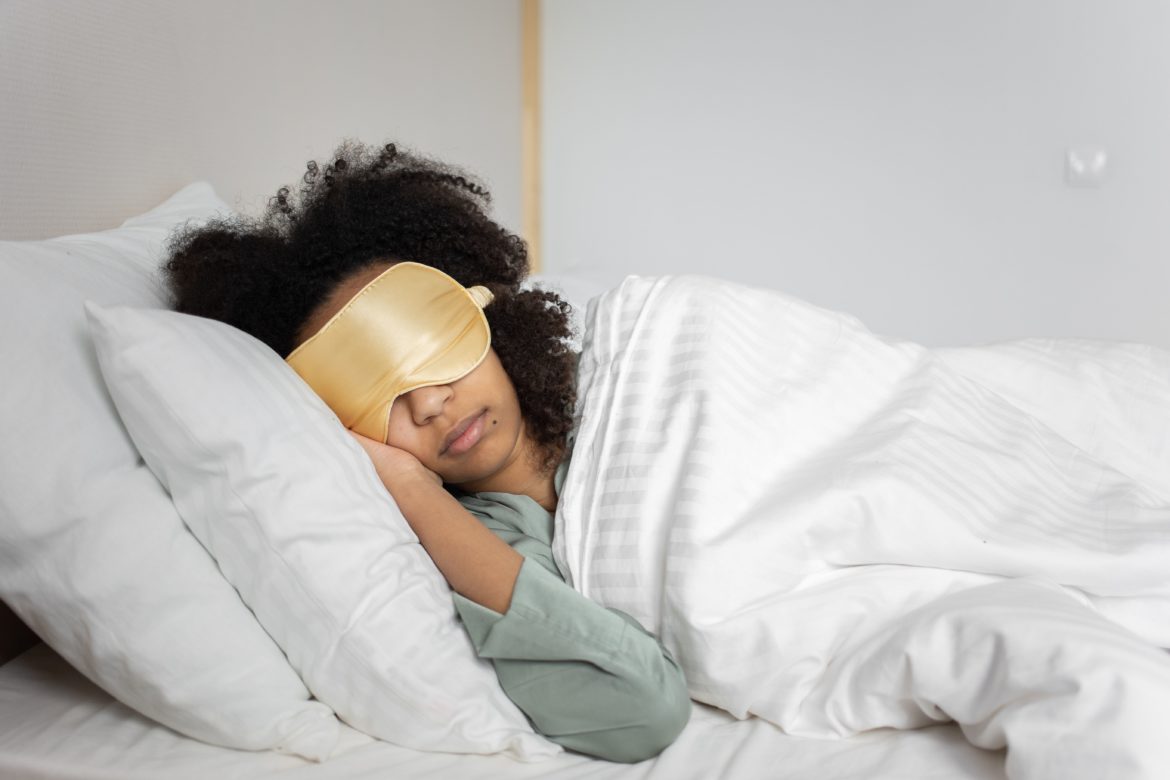
Your skincare routine doesn’t stop when you switch off the bathroom light. Here’s why the quality of your sleep may be one of the most underrated parts of your beauty routine.
We’ve all had those mornings. You catch your reflection and notice that your skin looks a little duller, your eyes a little puffier and your complexion somehow less… alive.
Your skin doesn’t simply clock off when you do. Overnight is an important period for the body to repair, restore and reset — making sleep an essential, if often overlooked, part of your beauty routine.
What happens to your skin while you sleep?
During sleep, your body enters a restorative state, giving your skin time away from the daily stresses it encounters while you’re awake.
Your skin is constantly exposed to environmental factors such as pollution, UV radiation, temperature changes and other forms of stress. At night, the body can dedicate more energy to repair and recovery.
This is one reason why a good night’s sleep can leave your complexion looking fresher the next morning. It isn’t magic, it’s your body doing what it does best – restoring itself.
Sleep and your skin barrier
Your skin barrier is your complexion’s first line of defence. It helps keep moisture in while protecting the skin from external irritants.
Poor or insufficient sleep may affect the skin barrier and its ability to maintain hydration. When the barrier is compromised, skin can feel drier, tighter or more sensitive.
This is where your evening skincare routine becomes particularly important. Rather than constantly adding more active ingredients in an attempt to fix tired-looking skin, consider whether your complexion might benefit more from a simple combination of hydration, barrier-supporting ingredients and, importantly, enough sleep.
Why tired skin can look dull
There’s a reason your complexion can look noticeably less radiant after a restless night.
Sleep deprivation can affect circulation and the skin’s overall appearance, contributing to a complexion that looks tired, lacklustre and less even. Add dehydration, stress and a busy schedule to the mix, and it’s little wonder that your skin may look as exhausted as you feel.
Your answer doesn’t necessarily need to be another complexion-enhancing product. Sometimes, the most effective beauty treatment is simply getting back into a consistent sleep routine.
What about those morning eye bags?
The eyes are often one of the first places to reveal a late night.
Puffiness and dark circles can become more noticeable when you haven’t slept well. Fluid can accumulate around the delicate eye area, while factors such as genetics, allergies, pigmentation and dehydration can also contribute to dark circles.
A chilled eye mask or cooling compress can provide a refreshing morning ritual, while staying hydrated and prioritising regular sleep may help support the appearance of the area over time.
And remember: not every dark circle is a sleep problem. Genetics and pigmentation can play a significant role, too.
Sleep, stress and breakouts
The relationship between sleep and skin becomes even more interesting when stress enters the picture.
When you’re chronically stressed or not sleeping enough, your body’s stress response can influence inflammatory processes and hormonal activity. For some people, this may contribute to changes in their skin, including increased sensitivity or breakouts.
This is why skincare alone isn’t always the complete answer. Your complexion is influenced by what you put on it, but also by what’s happening beneath the surface including your stress levels, sleep habits, nutrition and overall wellbeing.
Your nighttime routine starts before bed
If you want to make sleep part of your beauty routine, think beyond your pillowcase.
Create a wind-down ritual that signals to your body that the day is coming to an end. Dim the lights, step away from your phone, take a warm shower or bath, read a few pages of a book and keep your bedroom cool, dark and comfortable.
Your skincare routine can become part of this ritual, too. Cleanse away the day, apply a hydrating serum or moisturiser and allow yourself a few quiet minutes before getting into bed.
The goal isn’t to create another elaborate routine to maintain. It’s to make winding down feel appealing.
The beauty routine you can’t buy
There’s nothing wrong with loving your serums, masks and moisturisers. But sometimes we become so focused on what we can add to our skincare routine that we forget about the habits supporting it.
Sleep is free, accessible and beneficial for far more than your complexion. It supports your overall physical and mental wellbeing, too.
So, the next time your skin looks tired, resist the urge to immediately buy another product. Before reaching for another bottle, ask yourself a simpler question – when was the last time I had a really good night’s sleep?
Because perhaps the most luxurious addition to your beauty routine isn’t another step at all.
It’s switching off, getting comfortable and letting your body and your skin, do some of the work overnight.
ALSO SEE:
Featured Image: Pexels