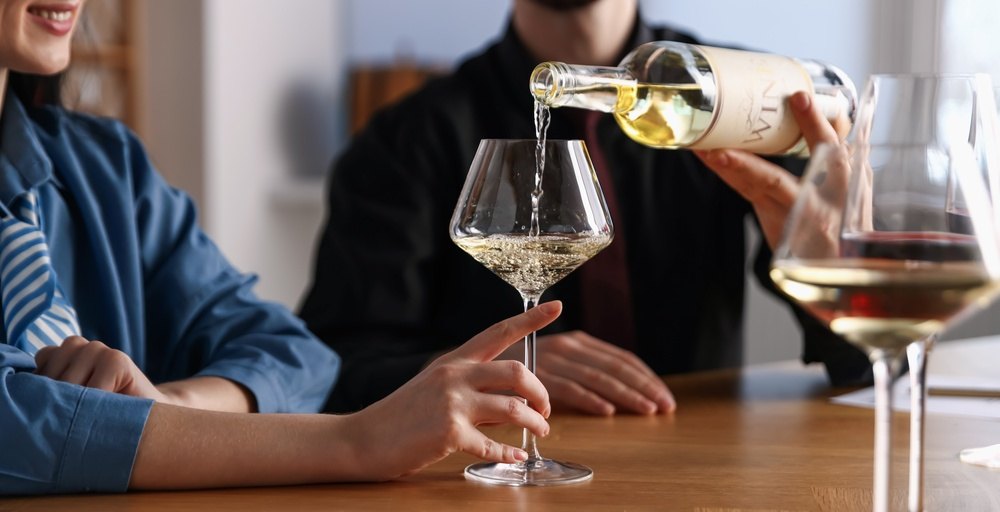
It’s not in your head, and it isn’t a lack of willpower. Here’s why your body has changed the rules in midlife, plus a simple plan to enjoy your wine, sleep better and wake up clear.
It’s Friday night. The kids are fed, the laptop is shut, and you pour the glass you’ve been looking forward to all week. By 9pm you’re flushed and fuzzy. At 3 am you’re wide awake and sweaty, and on Saturday you’re wondering what on earth happened to one glass of Sauvignon Blanc.
If that sounds familiar, you’re in good company. Many women in their 40s and 50s notice that alcohol suddenly hits harder, lingers longer and costs more the next day. There are real, body-based reasons, and once you know them, you can make smart choices without giving up your Friday ritual altogether.
Your body has quietly changed the maths
Alcohol spreads through the water in your body. During menopause, many women lose muscle and gain fat, and because muscle holds more water than fat, there is less water to dilute each drink. The same glass therefore produces a stronger effect than it did at 32.
Your liver also gets a little slower with age. Its ability to break alcohol down may decline, and shifting hormones can make your nervous system more sensitive on top of that. Nothing is wrong with you. Your body is simply running a new set of rules.
The 3 am wake-up has a name
That sleepy glow after a drink can fool you into thinking wine helps you rest. Drinkaware, the UK alcohol charity, explains that alcohol makes you drowsy but disrupts your natural sleep cycle, which lowers sleep quality and can cause restless nights or early waking.
If your hormones are already interfering with your sleep, wine adds a second problem on top. Alcohol is also a well-known trigger for hot flushes and night sweats. One Australian doctor points out that wine contains sulphites, histamine and tyramine, and some women become more sensitive to these during menopause.
Stress and a puffy morning face are often blamed on the so-called cortisol face. A few nights of broken sleep after wine can be just as good an explanation.
Is your ‘one glass’ really one glass?
Here’s a little kitchen-counter honesty. In Canada’s guidelines, a standard drink of wine is a 142 ml glass at 12% alcohol. Ireland’s health service notes that home pours tend to be more generous than pub measures, and that wine can range from about 11% to 13% or more.
A big restaurant glass or a generous home pour can easily be one and a half standard drinks. Check the percentage on the bottle too, because many South African reds come in higher than you’d expect.
The long game: what the research says
Midlife is also when it’s worth thinking a little further ahead. The US National Cancer Institute reports that women who have one drink a day have a higher risk of breast cancer than women who have less than one a week.
Keep that in perspective. Compared with drinking less than one drink a week, one drink a day adds about 2 alcohol-related cancers per 100 women, and two drinks a day adds about 5 per 100. These are small numbers, but they build with every extra glass. Newer research suggests the type of drink makes no real difference, so red isn’t a free pass.
Try this tonight: the 10-minute ‘pour smart’ routine
You don’t have to quit to feel better. Try these steps this week and notice how you sleep.
- Eat first. Have supper before you pour, not after.
- Measure once. Use a measuring jug to see what 150 ml looks like in your favourite glass, then pour to that line.
- Start with water. Drink a full glass before the wine, and keep a glass of water next to it.
- Stretch the glass. An Australian health fund suggests spritzers as a way to cut the amount you drink. Add soda water and plenty of ice.
- Close the kitchen early. Finish your drink a few hours before bed so your body has time to process it.
- Plan the wind-down. Make a rooibos, run a warm (not hot) bath, or put your phone in another room.
Give your week some breathing room
Spacing matters as much as quantity. Ireland’s guidelines recommend at least two to three alcohol-free days a week. One doctor says many of her patients find that three, four or even five alcohol-free days reduce hot flushes, hormonal headaches and sleep trouble even more.
Try one two-week experiment. Keep a simple note of your wine nights and how you slept, and you’ll learn more about your own body than any article can tell you. Experts also advise against using alcohol to manage sleep or anxiety. If wine has become your main way to unwind, that’s worth noticing without judgement.
When to talk to someone
Speak to your doctor or pharmacist if your symptoms are disrupting your life, if you take any regular medication (some mix badly with alcohol), or if you’ve tried to cut down and found it harder than you expected. Treatment for menopause symptoms exists, and you don’t have to simply put up with them.
If drinking is feeling bigger than you’d like, you’re far from alone. SADAG reports that 53% of substance-use calls to its helpline over the past year came from women. You can call the SADAG helpline on 0800 12 13 14 and a counsellor will phone you back. Our guide to mental health care in South Africa explains how to find help in the public and private sectors.
Your tolerance may have changed, but your right to a good night’s sleep and a clear Saturday morning hasn’t. Pour thoughtfully, and you may find the best glass is the one you actually savour.
By HealthLab
ALSO SEE:
You’ve blamed the tiredness on midlife. Is it time for a blood sugar conversation?
Featured Image: HealthLab / Supplied