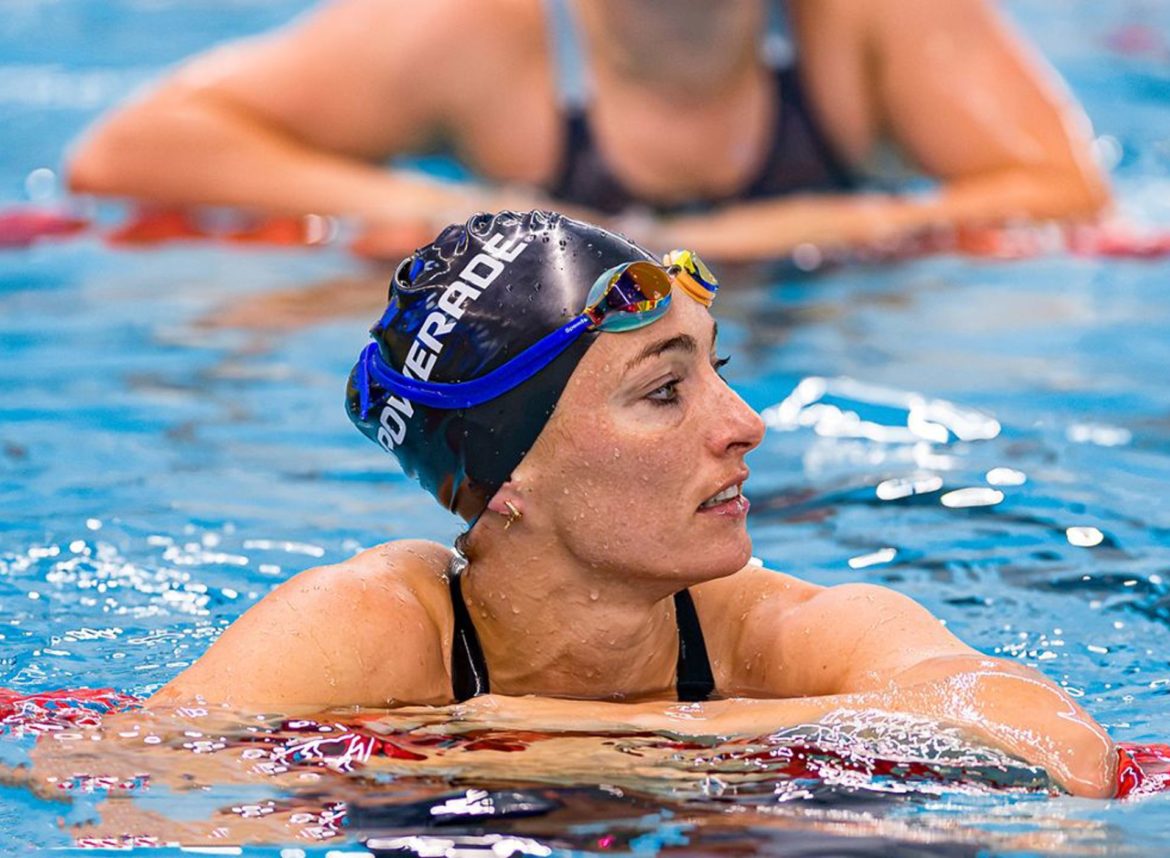
Tatjana Smith’s return to elite swimming has taken a dramatic turn. Less than two months after stepping back onto the blocks in South Africa, the four-time Olympic medallist has confirmed that she will now represent the Netherlands in international competition as she builds towards the Los Angeles 2028 Olympic Games.
World Aquatics has approved the change in her sporting nationality and already lists Smith as a Dutch athlete. Her first competition in orange is set to be the World Aquatics Swimming Championships (25m) in Beijing from 1 to 6 December 2026.
View this post on Instagram
Tatjana Smith explains her Netherlands switch
The move is personal as well as practical. Smith holds both South African and Dutch citizenship, with a South African mother and Dutch father, and has spoken about both countries being part of her identity.
In the announcement shared on her Instagram account, Smith made it clear that the change does not erase what representing South Africa has meant to her. She described her Olympic career in green and gold as the fulfilment of a childhood dream, while explaining that this new chapter gives her a chance to explore the Dutch side of her heritage through sport.
There is also a high-performance reality behind the decision. Smith said the Dutch programme offers stronger support and a more sustainable way to pursue elite swimming. Financial and practical pressures, she explained, were among the factors that had made her previous career difficult to sustain.
Her message was pointed without being a rejection of South Africa. Smith said athletes deserve the opportunity to ‘thrive, not just survive’, while stressing that her pride in what she achieved for South Africa remains unchanged.
A comeback built around the 50m breaststroke
Smith retired after the Paris 2024 Olympics, where she won gold in the 100m breaststroke and silver in the 200m. Those medals followed gold in the 200m and silver in the 100m at the Tokyo Games, taking her Olympic tally to four medals, two gold and two silver, all won for South Africa.
Her retirement proved temporary. In September 2026, Smith returned at the South African Short Course Championships in Pietermaritzburg and immediately won the 50m breaststroke in a personal-best 29.50 seconds. The sprint is now central to her comeback.
That matters because the 50m breaststroke will make its Olympic debut at LA28. The International Olympic Committee approved the addition of the men’s and women’s 50m backstroke, breaststroke and butterfly events to the Los Angeles programme in 2025, opening a new Olympic pathway for a swimmer whose earlier career was built largely around the 100m and 200m breaststroke.
Smith has already tested herself in the Netherlands too. TeamNL says she won all three breaststroke events at the Dutch Qualifiers in Rotterdam in October. She will, however, remain based in South Africa and continue training with the team supporting her comeback.
Swimming South Africa dispute adds wider context
Smith’s comments about sustainability arrive after a difficult period in her relationship with Swimming South Africa. Earlier this year, she challenged the federation over prize money earned at the 2023 World Aquatics Championships in Fukuoka.
Daily Maverick reported that $35,000 in prize money was withheld for more than a year. Swimming South Africa later agreed to pay the outstanding interest, and the federation’s acting president subsequently told Parliament that withholding the money should never have happened.
It would be too simple to reduce Smith’s nationality switch to that dispute alone. Her own explanation centres on identity, career longevity and the support needed to make another Olympic campaign viable. But the timing inevitably places renewed attention on how South African athletes are supported once they reach the highest levels of international sport.
What Tatjana Smith’s switch means for South Africa
Smith’s medals and records remain part of South Africa’s Olympic history. Changing sporting nationality affects who she represents from this point forward, not the country attached to the achievements she has already earned.
For supporters who watched her become one of the defining South African athletes of the Tokyo and Paris Games, seeing Smith race in Dutch orange will undoubtedly feel unfamiliar. Yet her return also gives the 29-year-old something she did not have when she retired in 2024: a new event, a new Olympic target and a structure she believes can help keep the joy of swimming intact.
Beijing in December will provide the first glimpse of what that next chapter looks like. LA28 is the bigger goal.