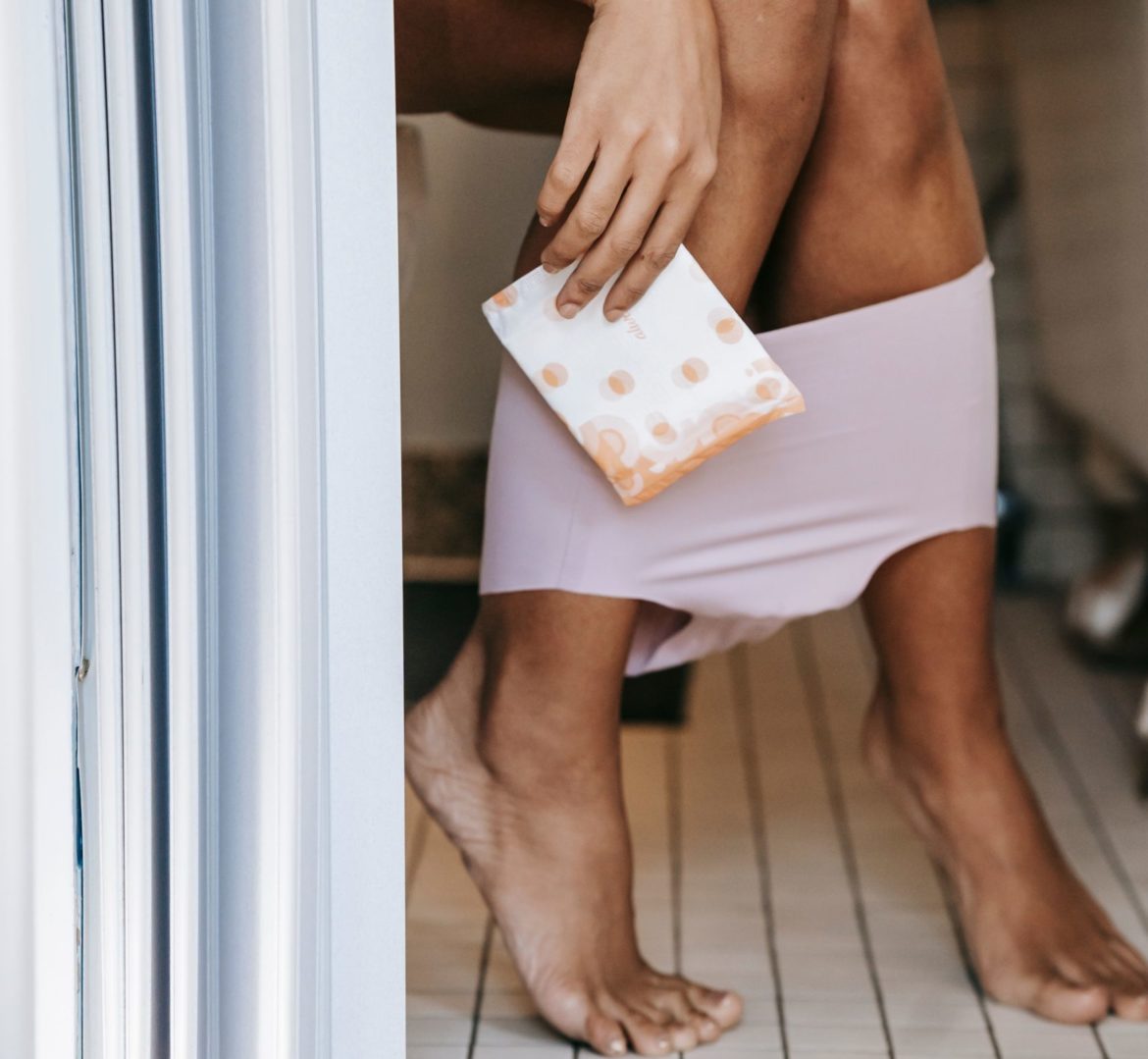
Summer is usually associated with lighter clothing, longer days, outdoor activities and a little more time in the sunshine. But while we’re busy switching our wardrobes and adjusting our skincare routines, there’s something else that might be changing with the season: our menstrual cycle.
Here’s why your menstrual cycle might feel a little different when summer arrives.
Although the menstrual cycle is primarily influenced by hormones, it doesn’t operate in isolation. Changes in temperature, sleep patterns, hydration, activity levels and everyday habits can all influence how we feel throughout the month.
So, could summer be playing a role?
Heat can make period symptoms feel more intense
Let’s start with the obvious – it’s hot. And while warmer weather doesn’t automatically make your period heavier or more painful, it can make certain symptoms feel more uncomfortable.
High temperatures can contribute to dehydration, particularly if you’re spending more time outdoors, exercising or sweating throughout the day. When your body loses more fluids than it replaces, you may experience headaches, dizziness, fatigue and bloating.
These symptoms can overlap with common PMS symptoms, making an already uncomfortable time of the month feel even more challenging.
Heat can also make you more aware of physical discomfort. If you’re already experiencing cramps, feeling overheated and struggling to find a comfortable sleeping position certainly won’t help.
The solution? Prioritise hydration, wear breathable clothing and give yourself permission to slow down when your body needs it.
Your sleep routine might be affecting your hormones
Longer summer evenings are wonderful until you realise it’s suddenly 10pm and you’re still wide awake.
Between late sunsets, social gatherings, holidays and a more relaxed evening routine, summer can disrupt our usual sleeping patterns. And sleep plays an important role in regulating the hormones involved in our menstrual cycle.
Inconsistent sleep can influence the body’s stress response and affect how we experience PMS, mood changes and fatigue.
You might notice that you’re more irritable before your period, struggling with cravings or feeling unusually tired despite getting what seems like enough rest.
Try to maintain a relatively consistent bedtime, even when your summer calendar becomes busier. A cooler bedroom, lighter bedding and a little less screen time before bed can also make a difference.
Increased activity can change how you experience your cycle
Summer often brings a renewed enthusiasm for movement. Morning walks, swimming, running, outdoor workouts and spontaneous weekend activities suddenly become more appealing.
Regular exercise can support overall hormonal and menstrual health, but a significant change in your activity levels can sometimes influence your cycle.
Increasing exercise intensity without allowing enough time for recovery, particularly when combined with inadequate nutrition, can affect the hormones responsible for ovulation and menstruation.
In some cases, this may result in irregular periods or missed periods.
This doesn’t mean you should avoid your summer fitness routine. Instead, focus on consistency rather than intensity. Fuel your body properly, allow time for recovery and pay attention to changes in your energy levels throughout your cycle.
Dehydration can make bloating feel worse
There’s nothing quite like feeling bloated when you’re trying to enjoy a summer wardrobe.
Hormonal fluctuations throughout the menstrual cycle can cause your body to retain water, particularly during the days leading up to your period. Add warmer temperatures and increased fluid loss through sweating, and you may find yourself feeling more uncomfortable.
It’s worth remembering that dehydration doesn’t necessarily cause menstrual bloating, but it can contribute to constipation and digestive discomfort, which may make bloating feel worse.
Keep a water bottle nearby, eat water-rich foods such as watermelon, cucumber and berries, and don’t forget to replenish fluids after exercising or spending time in the sun.
Your body needs more than iced coffee to get through a South African summer.
Summer stress is still stress
We often associate summer with relaxation, but the season can come with its own pressures.
Holiday planning, social commitments, travelling, disrupted routines and trying to fit everything into longer days can leave us feeling more overwhelmed than expected.
Stress can influence the hormonal communication between the brain and ovaries, potentially affecting ovulation and menstrual regularity.
For some women, significant or prolonged stress can result in a delayed period, changes in cycle length or missed periods.
This is a reminder that looking after your menstrual health isn’t only about what you eat or how much you exercise. Your mental wellbeing matters, too.
Make room for quieter mornings, restful evenings and moments when you aren’t expected to be doing anything productive.
Your period might seem different, but is it actually changing?
One important distinction: experiencing different symptoms during summer doesn’t necessarily mean your menstrual cycle itself has changed.
Your cycle is counted from the first day of one period to the first day of the next. While a little variation is normal, significant or persistent changes deserve attention.
For example, you might experience more fatigue because of the heat, rather than a change in your hormones. Equally, changes in sleep, stress or exercise could affect your cycle independently of the season.
There is some research suggesting seasonal patterns in menstrual characteristics, but the evidence is not strong enough to conclude that summer universally causes periods to become shorter, longer, heavier or more irregular.
If you notice a consistent change, tracking your cycle can help you identify patterns rather than attributing everything to the weather.
How to support your menstrual health during summer
You don’t need an entirely new wellness routine just because the temperature has increased. A few thoughtful adjustments can help you feel more comfortable throughout your cycle.
- Stay hydrated: Drink water consistently throughout the day, especially when exercising or spending time outdoors.
- Prioritise balanced meals: Include protein, fibre, healthy fats and iron-rich foods to support your nutritional needs.
- Protect your sleep: Keep your bedroom cool and try to maintain a consistent sleep schedule.
- Adjust your workouts: Listen to your energy levels and avoid pushing through exhaustion.
- Track your cycle: Keep note of your period dates, flow, cramps, mood and other symptoms to identify recurring patterns.
- Make space for rest: A busy summer calendar shouldn’t come at the expense of your wellbeing.
If your periods become persistently irregular, unusually heavy or significantly more painful, speak to a healthcare professional. Seek medical advice for bleeding between periods, severe pain or a sudden change in your usual cycle. If you miss a period and pregnancy is possible, consider taking a pregnancy test.
Your body doesn’t follow the seasons, but it responds to change
Summer might bring sunshine, spontaneous plans and a little more freedom in our schedules, but our bodies still need consistency, nourishment and rest.
Your menstrual cycle is influenced by a combination of hormonal, physical and environmental factors. While warmer weather alone isn’t necessarily responsible for changes in your period, the lifestyle adjustments that come with the season can influence how you feel.
Instead of expecting your body to operate exactly the same way every month, start paying attention to what it’s telling you.
Perhaps that means swapping an intense afternoon workout for an early morning walk, drinking a little more water or choosing an evening at home over another social commitment.
Because menstrual health isn’t about having a perfectly predictable cycle. It’s about understanding your body, recognising when something feels different and knowing when to seek support.
ALSO SEE:
Featured Image: Pexels