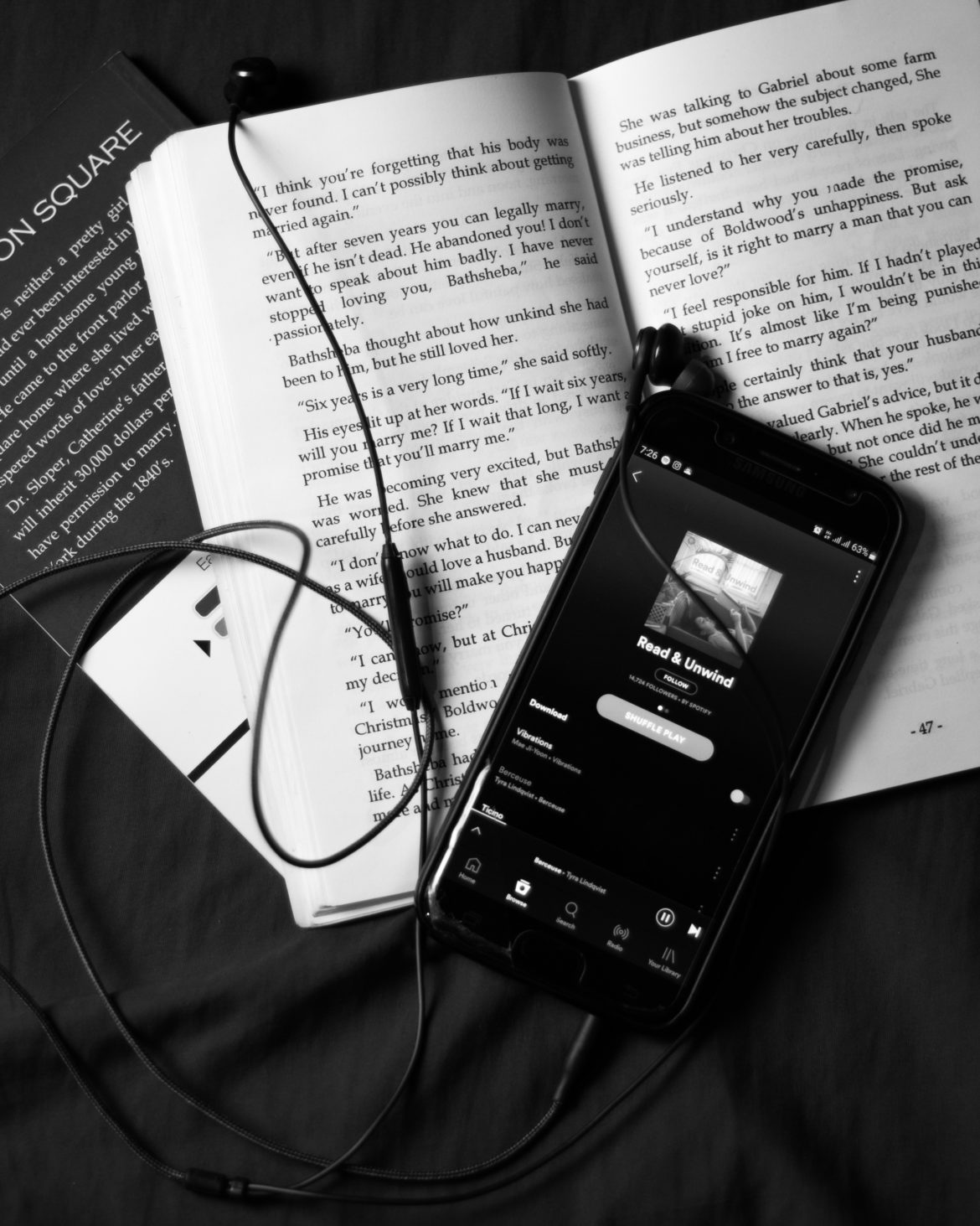
Have you ever said you “read” a book when you actually listened to it? Plenty of us have, and some of us felt a little bad about it afterwards. There’s an idea going around that audiobooks are the easy way out and that only turning the pages is proper reading. But is that really true?
ALSO SEE: A reading retreat should be on your bucket list and here’s why
What the research says
Studies that compare listening with reading generally find that most people understand and remember a story about as well either way. Your brain follows the plot, the characters and the ideas whether they reach you through your eyes or your ears.
There is one small difference. With factual books, such as a history or a business title, reading can be easier to take in because you can slow down, go back and re-read a tricky paragraph. With a story, though, the gap is much smaller than most of us think.
Where audiobooks work best
Audiobooks fit into the gaps of a busy day. You can listen while cooking, walking, cleaning or driving to work, and for many South Africans, long commutes and load shedding evenings make that a real bonus. They’re also kind to tired eyes at the end of a long day.
A good narrator can add something too. Hearing a story performed, with the right voice, pace and emotion, can feel closer to being told a story by a friend than reading one alone.
Where print still wins
A printed book is better if you like to underline, make notes or flick back to an earlier chapter. It’s also the better choice for books you want to study rather than simply enjoy. And for many people, there’s no replacing the feel of a real book and a quiet hour with a cup of tea.
Why does it even matter how you took it in?
When you think about it, the real point of a book is the story or the ideas inside it. If you followed the plot, felt something for the characters and can tell a friend what happened, you’ve read the book. How it got to you is a side detail.
For a lot of us, listening is simply what makes reading possible. Between work, family and everything else, finding a quiet hour with a printed book isn’t always realistic, and audiobooks mean you finish books you’d otherwise never get to.
Some people also find that listening keeps them more focused. If your mind wanders when you read the page, hearing the words out loud can hold your attention much better. And for people with dyslexia or poor eyesight, audiobooks can be the way into books in the first place.
So, does it count?
What matters is that you enjoyed the book and took something from it. If you like, mix the two: listen on the go and read at home. Either way, you’ve read the book.
ALSO SEE:
Featured Image: Pexels