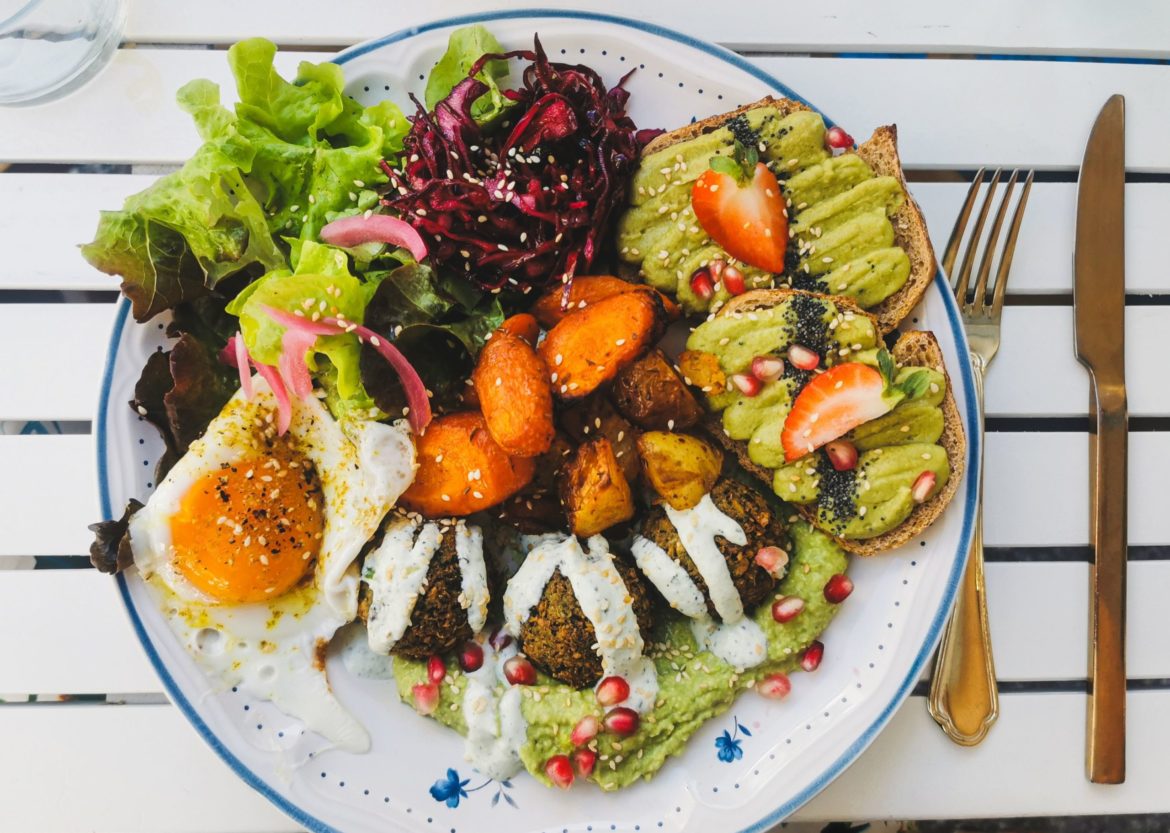
There is something undeniably appealing about a colourful plate. Bright berries, leafy greens, roasted sweet potato, vibrant peppers, creamy avocado and golden grains can turn an ordinary meal into something that looks almost too good to eat. But eating a variety of colours isn’t just about making your lunch look Instagram-worthy. The more diverse your plate, the wider the range of nutrients, fibre and plant compounds you’re likely to consume.
Think of it as eating the rainbow — without making your meals complicated.
Why variety matters
Our bodies need a broad mix of vitamins, minerals, antioxidants, fibre, protein, healthy fats and other nutrients to function well. No single food provides everything, which is why dietary variety matters.
Different fruits and vegetables contain different combinations of nutrients and naturally occurring plant compounds. By regularly switching up what you eat, you give yourself more opportunities to benefit from these different nutritional properties.
And variety doesn’t have to mean eating something different every day. It can be as simple as choosing two different vegetables instead of one, adding fruit to breakfast, or swapping your usual side dish for something seasonal.
Think in colours
One of the easiest ways to encourage variety is to think about the colours on your plate.
Green: Spinach, broccoli, peas, green beans, rocket and herbs can contribute nutrients such as folate, vitamin K and fibre.
Red and pink: Tomatoes, red peppers, watermelon and berries contain a range of antioxidants and plant compounds.
Orange and yellow: Carrots, pumpkin, sweet potato, oranges and yellow peppers bring nutrients including carotenoids and vitamin C.
Blue and purple: Blueberries, blackberries, aubergine, purple cabbage and beetroot provide their own unique mix of plant compounds.
White and brown: Cauliflower, mushrooms, onions, garlic, potatoes, beans, nuts and whole grains may not be as colourful, but they’re certainly not nutritionally boring.
The important thing is not to obsess over hitting every colour at every meal. Instead, use colour as a visual reminder to mix things up throughout the week.
Don’t forget the rest of the plate
A colourful plate shouldn’t become synonymous with a giant bowl of vegetables.
A balanced meal can include a source of protein, carbohydrates, healthy fats and vegetables or fruit. Think grilled chicken with roasted vegetables and quinoa; eggs with wholegrain toast, avocado and tomatoes; or lentils with brown rice, spinach and roasted pumpkin.
The goal isn’t perfection. It’s creating meals that are satisfying, nourishing and varied.
Variety is also good for your gut
Dietary diversity is particularly relevant when it comes to gut health. Fibre-rich plant foods provide different types of fibre and other compounds that interact with the microorganisms living in your digestive system.
Instead of focusing on one “superfood”, consider the bigger picture: how many different plant foods are you eating across the week?
Vegetables, fruit, whole grains, legumes, nuts, seeds, herbs and spices can all contribute to a more diverse diet.
Seasonal eating makes it easier
Eating seasonally can be an effortless way to introduce variety. When your favourite fruit or vegetable isn’t available, look for what’s fresh and plentiful instead.
It can also make healthy eating feel less repetitive. Summer might mean berries, tomatoes, peaches and fresh greens, while cooler months naturally lend themselves to pumpkin, citrus, cabbage, legumes and root vegetables.
You don’t need an entirely new recipe every night. Simply changing one or two ingredients can make a familiar meal feel completely different.
Variety without the pressure
There is a fine line between nourishing yourself and turning food into another thing to optimise.
You don’t need to count the number of colours on your plate or panic because yesterday’s dinner was beige. A balanced diet is built over time, not judged meal by meal.
If your breakfast is the same every morning, that’s okay. You can create variety through lunch, dinner, snacks and the ingredients you rotate throughout the week.
And frozen, canned and convenient foods can absolutely have a place in a varied diet. Frozen vegetables and fruit, canned beans and lentils, and simple pre-prepared ingredients can make it easier to put together nutritious meals when life gets busy.
A simple way to add more variety
Try the “one more” rule.
One more vegetable.
One more piece of fruit.
One more type of whole grain.
One more bean or legume.
One more herb or spice.
Rather than completely reinventing your diet, make small additions. Add berries to your yoghurt. Throw spinach into your eggs. Add chickpeas to your salad. Try a different grain with dinner. Sprinkle seeds over your morning oats.
Small changes can create a surprisingly diverse diet over time.
A colourful plate isn’t about eating perfectly or creating picture-perfect meals. It’s about embracing variety.
Different foods offer different nutritional benefits, and eating a broad range of plant foods can help you build a more balanced, fibre-rich and enjoyable diet.
So the next time you’re putting together a meal, look at your plate before you reach for the salt. Is there a little green? Something red? Maybe something orange, purple or golden?
If not, add one thing.
Because when it comes to food, variety isn’t just the spice of life — it’s part of a well-rounded plate.
ALSO SEE:
Refreshing meals to make when it’s too hot to turn on the stove
Featured Image: Pexels