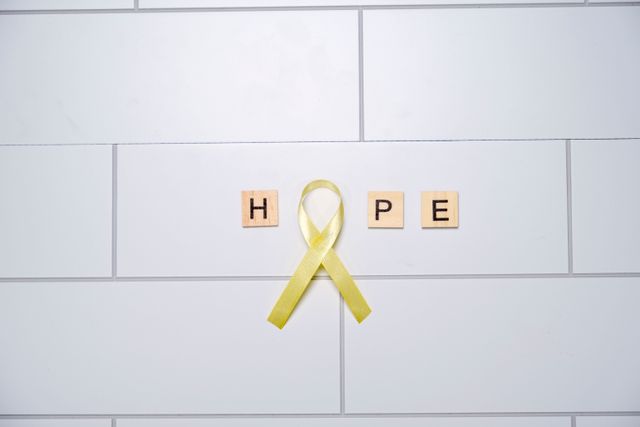
As you may know, September is Suicide Prevention Month. It’s a time to bring attention to people who are suffering silently and to remind them that they do not have to navigate mental health issues alone.
ALSO SEE: Is your home environment helping or hurting your mental health?
Unfortunately, mental health is certain spaces are still stigmatised even today, so talking about suicide can be uncomfortable. We have to create spaces that make it easier for people to ask for help.
For people who have good mental health, it can be easy to say ‘fix or change your life’ to someone suffering with anxiety, depression or other mental health issues. But while it might be right, it’s not as easy to execute. Sometimes, the best they can do is making one manageable decision at a time, or getting through the next few hours.
Start with the basics
When your mental health is suffering, everyday tasks can feel extremely difficult. Try your best to stay functional: eat something, drink water, take prescribed meds as directed, shower, get some fresh air. These won’t cure depression but they do provide structure. And if all you managed to do was brush your teeth, that’s a good thing.
Stay connected
Depression can make you withdraw from people. When things feel particularly overwhelming, contact one person you trust. You don’t have to explain everything. A simple ‘I’m having a hard day and I need some company’ is enough.
Create a support plan
Think about places and professional resources you can turn to when you’re struggling. Suicide Prevention Month is precisely about assuring people that these resources exist. Save contact details and make sure they’re easily accessible. Discuss your warning signs with someone you trust.
Don’t wait until you’re at breaking point
Even a normal GP can help when you’re struggling. You don’t have to wait until you’re in crisis before seeking professional help. A counsellor, psychologist, psychiatrist can help you understand what you’re experiencing and discuss the appropriate action plan.
If you’re experiencing suicidal thoughts or ideation, or feel you’re in immediate danger, seek urgent help instead of trying to deal with it on your own. In South Africa, The South African Depression and Anxiety Group (SADAG) has a 24-hour Suicide Crisis Helpline on 0800 567 567.
Most importantly, struggling with your mental health isn’t a failure. Reaching out for help is the biggest gift to give yourself – it means that on some level you recognise that your life has value.
ALSO SEE:
Featured image: Pexels