Kindness isn’t something children simply know, it is something they learn by watching, practising and experiencing. From the manner in which we speak to others to how we react when things don’t go our way, our everyday actions provide some of the most powerful lessons. The good news? You don’t need a perfect parenting strategy.
ALSO SEE: How to teach your kids the value of money
Start with these simple ways to nurture kindness at home:
Praise kindness, not just good behaviour
When your child shares a toy or comforts a friend, acknowledge the thought behind the action. Instead of simply saying, ‘Good job‘, try something more specific, such as, ‘It was kind of you to notice your friend was feeling sad.‘ This helps children understand why kindness matters rather than viewing it simply as something that earns praise.
Lead by example
Children are constantly watching us, even when we think they aren’t paying attention. Let them see you thank people, apologise when you’ve made a mistake, hold the door open for someone or offer help when it’s needed. How you treat others becomes an example for how they learn to treat others around them.
Make helping others part of everyday life
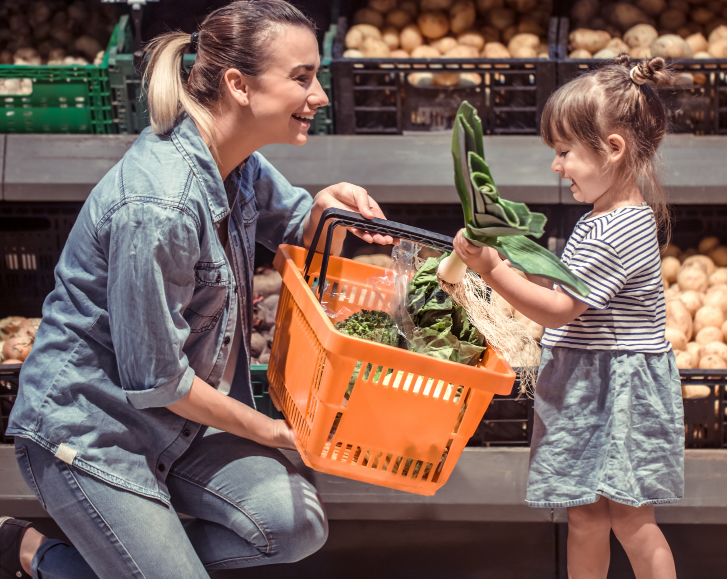
Kindness doesn’t have to involve grand gestures. Let your child help carry groceries, set the table, feed a pet or make a card for someone who needs cheering up. Giving children opportunities to contribute shows them that their actions can make a difference to someone else.
Teach your kids to notice others
Empathy starts with paying attention to how other people feel. Encourage your child to think about what someone else might be experiencing. If a sibling is upset, for example, ask, ‘How do you think they’re feeling?’ Then talk about what might help. These small conversations can gradually build emotional awareness and compassion.
Celebrate everyday kindness
Look for opportunities to point out kindness when you see it – whether it’s someone helping an elderly person, a friend sharing something or a stranger offering directions. These moments show children that kindness is everywhere and encourage them to notice opportunities to practise it themselves.
Teach your kids to be kind to themselves too
Being kind to others starts with understanding that everyone deserves patience and compassion – including themselves. Help your child recognise that mistakes are part of learning and that feeling frustrated, sad or angry doesn’t make them ’bad’. Teach them to speak to themselves with the same gentleness they would show a friend.
Talk about feelings – even the difficult ones
Children won’t always respond kindly, and that’s part of growing up. Rather than expecting perfect behaviour, help them understand what happened beneath the reaction. ‘You were angry because your brother took your toy’ can open the door to discussing better ways to handle those feelings next time.
And remember…
You don’t need to raise a perfectly behaved child to raise a kind one. What matters is creating a home where empathy, respect, patience and generosity are part of everyday life. Keep modelling the behaviour you want to see, give your child plenty of opportunities to practise it and remember that kindness is built through hundreds of small moments.
ALSO SEE:
How to talk to your kids about consent – and why it’s never too early
Featured Image: Magnific