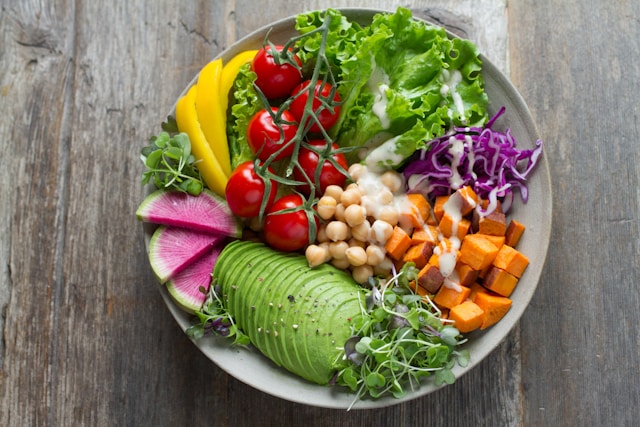
A clean eating journey generally encourages choosing foods that are as close to their natural state as possible and avoiding processed foods. This makes it tempting to immediately cut out all ‘problematic’ foods, veering into an extreme and dangerous territory. Here’s what you should know and which mindset shifts to make before you start.
ALSO SEE: Fun, refreshing cocktails for spring hosting
You decide you want to ‘eat clean’, then you cut out all sugar and carbs, eat fewer processed foods and you think this is it. The idea of eating clean can seem very simple. But before you clear out all your cupboards and fridge in order to do a complete dietary overhaul, perhaps take a more balanced approach.
Now, there is no official definition of clean eating. The term can mean different things to different people, which is why it’s a bad idea to follow a eating plan you’ve seen online or someone else’s idea of clean eating. At its best, it encourages you to eat minimally processed foods and more whole foods, including vegetables, fruits, beans, pulses, whole grains and quality protein sources.
Focus on what you can add
Always start with what you can add, instead of finding a list of foods to eliminate from your diet. Our brains don’t handle ‘lack’ too well and you may end up sabotaging yourself. More colourful veggies, fibre-rich whole grains, lentils, nuts, seeds and protein-rich foods all create a more balanced diet.
Build your plate around a variety of foods – there is no one perfect way to eat. So think in terms of patterns: a healthy one includes lots of vegetables and fruit, whole grains, healthy protein and unsaturated fats.
You don’t have to fear all processed foods
It’s become a bit of a buzzword to fear, but ‘processed’ doesn’t automatically mean unhealthy. Canned beans and fish, yoghurt, frozen fruits and veggies, and wholegrain bread are all convenient and quite nutritious additions to your diet.
Here’s the mindset shift to make instead: Instead of cutting out all processed food, reduce your reliance on heavily processed foods specifically high in added sugar, salt and saturated fats. You can still create room for convenience and enjoyment.
Avoid an all-or-nothing mentality
Introduce one or two changes at a time. Add vegetables to dinner, swap refined grains for whole grains more often, or prepare an extra meal at home each week.
The best eating habits nourish your body but more importantly fit your lifestyle. Food shouldn’t be a source of stress. If your approach to healthy eating starts to feel restrictive or causes anxiety, take some time to reassess. Better yet, speak to a dietician for the best advice.
ALSO SEE:
Easy one-pan meals to make hectic weeks feel more manageable
Featured Image: Unsplash