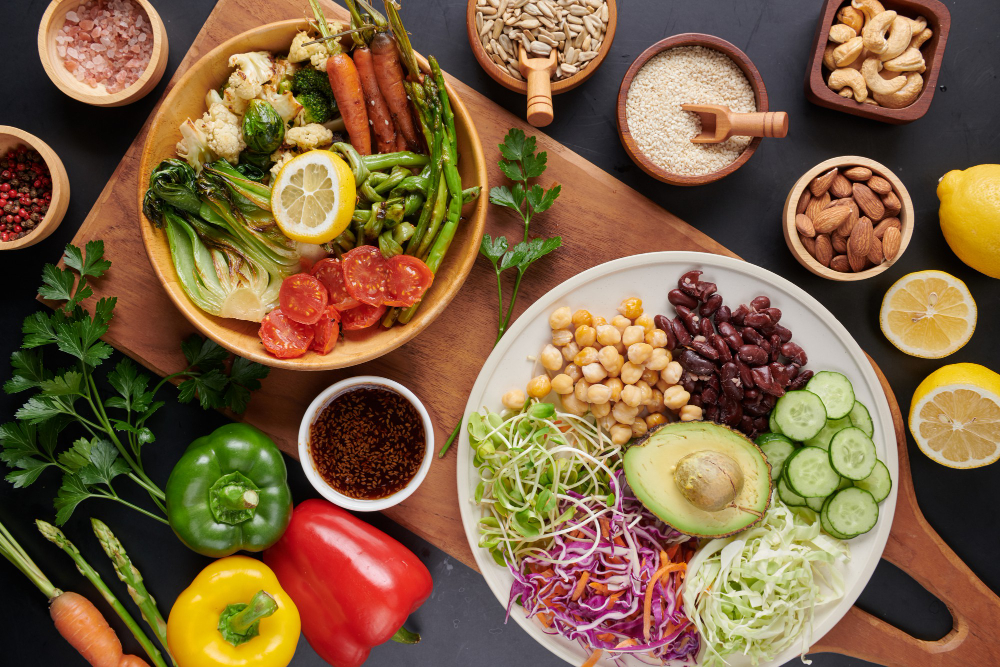
Healthy ageing isn’t about following restrictive diets or searching for the latest superfood. In fact, many of the nutrients your body needs to support healthy skin, strong bones, a sharp mind and a healthy heart can be found in everyday foods already sitting in your kitchen. By making a few simple additions to your meals, you can nourish your body today while supporting your health for years to come.
ALSO SEE: The foundation of ageing well: What to prioritise as you get older
Ready to give your plate an age-friendly upgrade? Start with these everyday staples:
Colourful berries for healthy cells
Blueberries, strawberries and raspberries are packed with antioxidants, which help protect the body’s cells from damage caused by free radicals. They’re also rich in vitamin C, an essential nutrient for collagen production, helping to support healthy skin as you age. Add them to yoghurt, oats or smoothies for an easy nutritional boost.
Leafy greens for bones and brain health
Spinach, kale and Swiss chard are nutritional powerhouses, providing vitamins K, C and A, along with folate and magnesium. These nutrients play an important role in maintaining strong bones, supporting brain function and reducing inflammation. Aim to include leafy greens in salads, soups, stir-fries or omelettes several times a week.
Oily fish for heart and brain function
Salmon, sardines, trout and pilchards are excellent sources of omega-3 fatty acids, which support heart health, help maintain brain function and may reduce inflammation. Experts recommend eating oily fish at least twice a week, but if that’s not possible, speak to your healthcare provider about whether an omega-3 supplement is appropriate for you.
Nuts and seeds for healthy fats
A small handful of almonds, walnuts, pumpkin seeds or chia seeds provides healthy fats, protein, fibre and important minerals like magnesium and zinc. These nutrients help support heart health, muscle function and healthy ageing while making snacks more satisfying.
Beans and lentils for lasting energy
Beans, lentils and chickpeas are affordable pantry staples rich in plant-based protein and fibre. They help keep you feeling fuller for longer, support digestive health and contribute to more stable blood sugar levels. Add them to soups, curries, salads or stews for an easy nutrition upgrade.
Whole grains that work harder
Choosing whole grains like oats, brown rice, quinoa and wholewheat bread over refined carbohydrates provides more fibre, B vitamins and minerals. These foods support digestive health, help regulate blood sugar and provide slow-release energy to keep you feeling satisfied throughout the day.
Yoghurt for gut health
Plain yoghurt with live cultures can support a healthy gut microbiome, which plays a role in digestion, immunity and overall wellbeing. It’s also an excellent source of calcium and protein, making it a smart choice for maintaining strong bones and muscles as you get older.
Olive oil for healthy ageing
Extra virgin olive oil is a cornerstone of the Mediterranean diet, an eating pattern consistently associated with healthy ageing. Rich in heart-friendly monounsaturated fats and antioxidants, it’s a simple swap for butter or highly processed cooking oils in many everyday meals.
Don’t forget hydration
Food is only one part of healthy ageing. Staying well hydrated helps support digestion, joint health, energy levels and skin hydration. Water should always be your first choice, but herbal teas and water-rich foods like cucumber, oranges and watermelon also contribute to your daily fluid intake.
Small changes add up
Healthy ageing doesn’t happen because of one miracle ingredient – it comes from the small choices you make consistently over time. Filling your plate with colourful fruit and vegetables, lean proteins, whole grains and healthy fats can help support your well-being at every stage of life. The goal isn’t perfection but building eating habits that are realistic, enjoyable and sustainable for years to come.
ALSO SEE:
Featured Image: Magnific