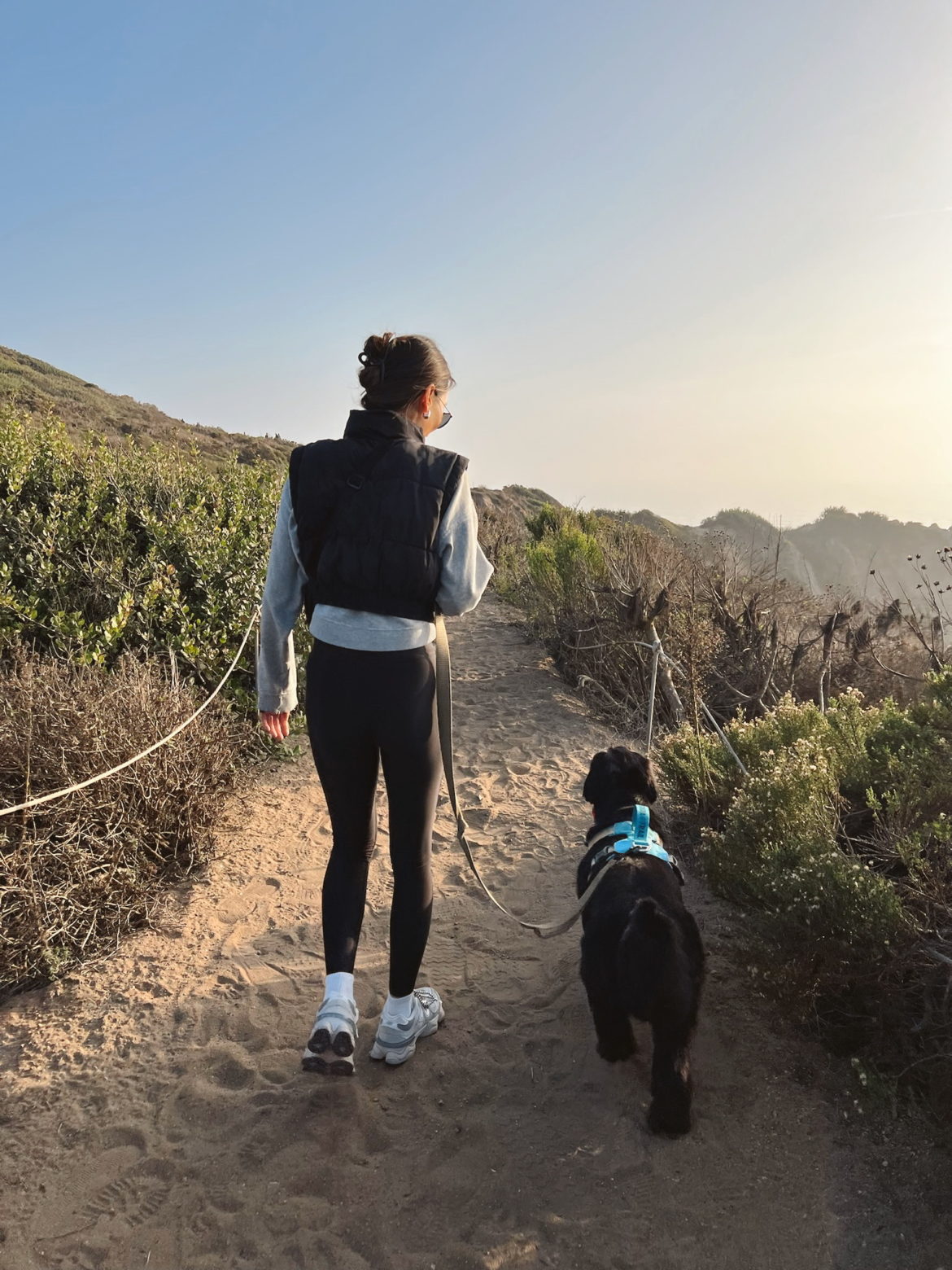
Whether it’s a leisurely stroll around the block after dinner or a quick lap around the office after lunch, walking after meals has been linked to a variety of health benefits, particularly when it comes to blood sugar regulation.
You don’t need to spend hours exercising to see the difference. Research suggests that even a 10 to 15-minute walk after a meal can positively impact your metabolism, digestion, heart health and long-term wellbeing.
Why blood sugar matters
Whenever you eat, especially meals containing carbohydrates, your digestive system breaks food down into glucose (sugar), which enters your bloodstream. In response, your pancreas releases insulin to help move that glucose into your cells where it can be used for energy.
Sometimes, particularly after larger meals or meals high in refined carbohydrates, blood sugar levels can rise rapidly. Frequent spikes over time may contribute to insulin resistance, weight gain and increase the risk of developing type 2 diabetes.
Physical activity helps your muscles absorb glucose directly from your bloodstream, reducing the demand for insulin and helping your body regulate blood sugar more efficiently.
The science behind walking after meals
Unlike exercising on an empty stomach, walking shortly after eating allows your muscles to use the glucose that’s actively circulating in your bloodstream.
Numerous studies have found that light activity after meals can:
- Lower post-meal blood sugar spikes
- Improve insulin sensitivity
- Reduce the amount of insulin required to process a meal
- Improve long-term blood sugar control
Interestingly, several studies have shown that three short walks after meals may be even more effective for blood sugar management than completing one longer walk during the day.
Additional health benefits
Supports better digestion
Gentle movement stimulates the digestive system and may help food move through the stomach and intestines more efficiently.
Many people find that walking after meals helps reduce:
- Bloating
- Mild constipation
- Feelings of heaviness after eating
- Excess gas
However, it’s best to avoid vigorous exercise immediately after a large meal, as intense activity may actually worsen digestive discomfort.
May support healthy weight management
Walking isn’t a high-intensity calorie burner, but consistency matters.
Walking after meals can contribute to:
- Increased daily energy expenditure
- Better appetite regulation
- Reduced sedentary time
- Healthier blood sugar levels that may help minimise cravings caused by rapid glucose fluctuations
Combined with a balanced diet and regular exercise, post-meal walks can become part of an effective long-term weight management strategy.
Promotes heart health
Regular walking has long been associated with improved cardiovascular health.
Walking after meals may also help:
- Lower blood pressure over time
- Improve circulation
- Reduce triglyceride levels after eating
- Support healthy cholesterol levels
- Decrease overall cardiovascular disease risk
Because walking is low impact, it’s an accessible form of exercise for many people regardless of age or fitness level.
Helps boost energy
It may seem counterintuitive, but moving after eating can actually help combat the sluggish feeling many people experience after lunch.
Walking increases circulation and oxygen delivery throughout the body, often leaving you feeling:
- More alert
- More productive
- Less fatigued during the afternoon
Even a brief walk outside can provide an additional mental refresh.
Benefits mental wellbeing
Walking supports mental health just as much as physical health.
A short stroll after meals can:
- Reduce stress
- Improve mood
- Lower cortisol levels
- Provide a mindful break from work or screens
- Encourage consistency with healthy habits
If you walk outdoors, exposure to natural light and fresh air may further support emotional wellbeing.
How soon should you walk?
Most experts recommend starting your walk within 10 to 30 minutes after finishing a meal.
This is when blood glucose levels typically begin to rise, making it an ideal opportunity for your muscles to help utilise that glucose.
You don’t need to walk fast – a comfortable pace is often enough to experience benefits.
How long should you walk?
The good news is that you don’t need lengthy workouts.
Aim for:
- 10 to 15 minutes after breakfast, lunch or dinner
- A gentle to moderate walking pace
- Consistency rather than intensity
If time is limited, even five minutes of movement is better than remaining seated.
Tips to make it a daily habit
Building a new habit is often easier when it’s simple and enjoyable.
Try these ideas:
- Walk your dog after dinner.
- Invite a family member or friend to join you.
- Listen to a podcast or audiobook.
- Take walking meetings when possible.
- Park slightly further from your destination.
- Walk around your neighbourhood after evening meals.
- Take a lap around the office after lunch instead of immediately returning to your desk.
Small habit, lasting results
Healthy living doesn’t always require dramatic lifestyle changes. Sometimes, the most sustainable habits are also the simplest. The next time you finish a meal, resist the urge to head straight for the sofa. Instead, lace up your shoes, step outside and enjoy a few minutes of movement. Your body may thank you for it.
ALSO SEE:
Featured Image: DupePhoto