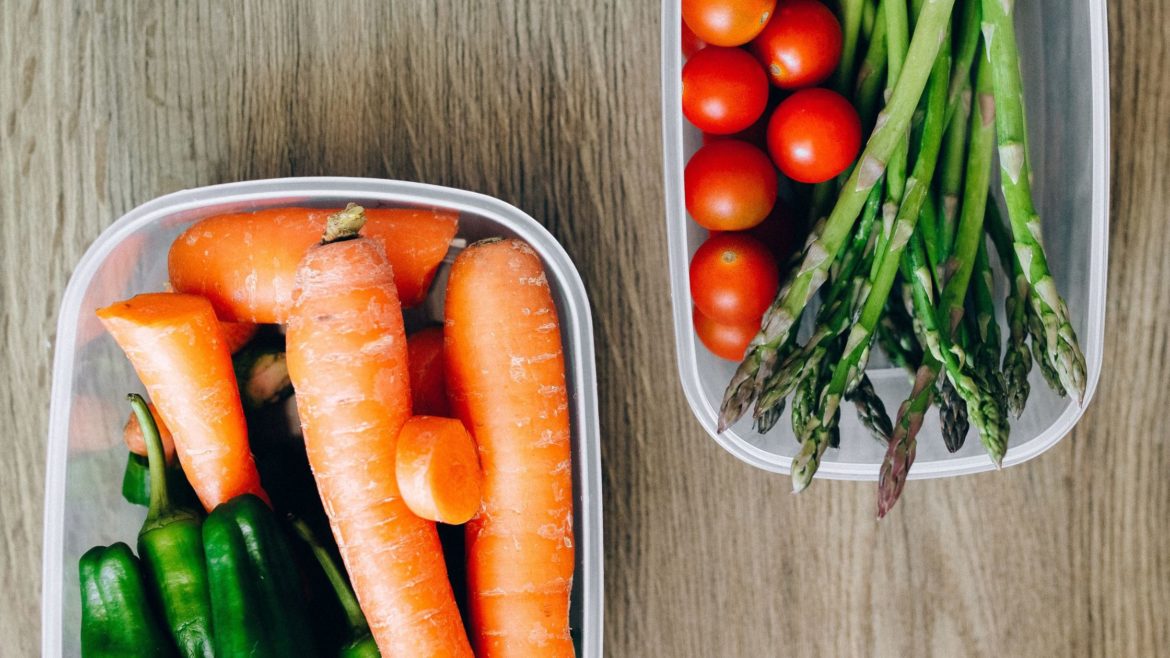
Batch-cooking and freezing vegetables is one of the most practical habits you can build into a week. It reduces waste, cuts the cost of using seasonal produce, and means that a genuinely nutritious side dish, soup base or stir-fry component is always within ten minutes of dinner. The difference between a freezer full of mushy, flavourless vegetables and one that actually gets used is almost entirely in the preparation, specifically in whether or not you blanch before freezing.
Why blanching matters
Blanching, the brief immersion of vegetables in boiling water followed by rapid cooling in ice water, halts the enzymatic activity that continues to break down colour, flavour, texture and nutrients even after a vegetable has been harvested. A vegetable that is frozen without blanching will still be technically edible after three months in the freezer, but it will look dull, taste flat and have a significantly softer texture than one that was blanched first. The difference is noticeable. Most vegetables need one to three minutes in boiling water, depending on their density.
How to do it
Bring a large pot of water to a rolling boil and prepare a bowl of ice water alongside it. Drop the prepared vegetables into the boiling water and time them accurately: broccoli and cauliflower florets need two to three minutes; green beans, peas and corn need two minutes; spinach and leafy greens need one minute; sliced carrots need two to three minutes depending on thickness.
Transfer immediately into the ice water using a slotted spoon and leave them there for the same time they spent in the boiling water. The rapid cooling stops the cooking process instantly. Remove and drain thoroughly, then spread in a single layer on a baking tray lined with a clean cloth and freeze for one to two hours until solid. Once solid, transfer into sealed freezer bags or containers in portion sizes, removing as much air as possible before sealing.
Which vegetables freeze well
Broccoli, cauliflower, green beans, peas, broad beans, corn, spinach, kale, carrots, butternut squash, sweet potato and most courgettes all freeze well when blanched properly. Peas are arguably the most forgiving: they barely need blanching and emerge from the freezer almost indistinguishable from fresh.
Which vegetables should not be frozen
Salad leaves, cucumbers, raw tomatoes, spring onions and raw potatoes do not freeze well. Their high water content means they collapse and become watery when thawed, losing any textural value. Celery becomes stringy and limp. If you want to freeze tomatoes, cook them into a sauce first. If you want to freeze potatoes, cook them into mashed potato or a roasted form first.
Defrosting for best results
Most frozen vegetables do not need thawing before use: they can go directly from the freezer into a hot pan, a pot of boiling water or a steamer, which gives better results than thawing and then cooking. Soups and stews: add them frozen directly. Stir-fries: add from frozen on high heat. Steaming: three to four minutes from frozen. Roasting is the one context where thawing and patting dry first helps, as frozen vegetables release a lot of water when they hit a hot oven and can end up steaming rather than roasting.
For those who experience load-shedding or power interruptions, one practical consideration: if your freezer loses power for more than four hours and the vegetables have begun to thaw, cook them immediately rather than refreezing. Thawed and refrozen vegetables are safe to eat, but they lose significant texture. Freezing in smaller portion sizes reduces the impact of having to use everything at once if power is out for a longer period.
ALSO SEE:
Featured Image: Pexels