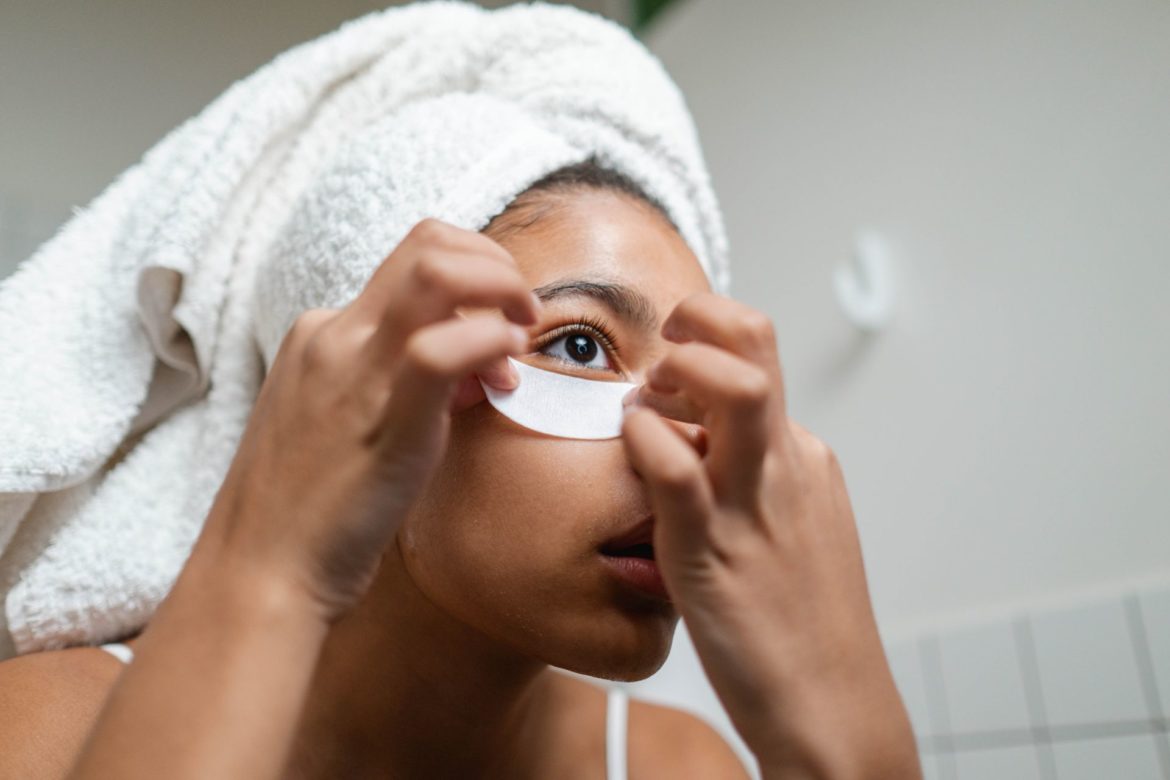
The skin under the eye is among the thinnest on the body, which makes it the first to show signs of tiredness, dehydration, inflammation and poor circulation. Commercial eye patches address this with a range of ingredients, some genuinely effective and many overpriced. The good news is that several of the most proven approaches can be replicated at home using ingredients that are inexpensive, natural and likely already in your kitchen or bathroom cabinet.
What you will need
Most homemade patches require very little: clean gauze pads or cotton pads to act as the carrier, a small clean bowl, and, depending on the treatment, access to a freezer. The gauze or cotton pad is soaked or layered with the active ingredient and pressed gently against the under-eye area for 10 to 15 minutes while lying down. The lying-down position helps drain fluid from the area and allows the ingredient to remain in contact rather than sliding off.
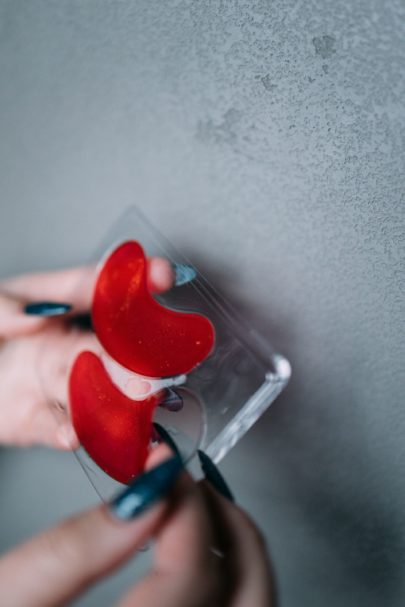
Cold cucumber
Sliced cucumber is the most recognisable and genuinely effective option for puffiness. Cucumber has a high water content, a mild anti-inflammatory action, and, when chilled, the physical cold reduces localised swelling quickly. Slice a cucumber into rounds, refrigerate them for at least 30 minutes, and place a slice directly on each closed eye. The coolness constricts blood vessels, which reduces the appearance of dark circles temporarily, while the moisture helps with dryness around the eye.
Green tea bags
Used green tea bags, cooled or lightly frozen, are effective for both puffiness and dark circles. Green tea contains caffeine, which temporarily constricts blood vessels and reduces swelling, and tannins, which have mild astringent properties. Brew your tea, remove the bags and place them in the fridge or freezer until cool but not frozen solid. Rest them on the under-eye area for 10 to 15 minutes. This is one of the most consistently supported natural approaches for reducing puffiness.
Frozen aloe vera
Fresh aloe vera gel, frozen in a small container and then pressed against a cotton pad and applied to the skin, delivers cooling, anti-inflammatory and hydrating effects simultaneously. Aloe contains compounds including glucomannans and polysaccharides that support skin hydration and calm inflammation. This is particularly useful for dry under-eye skin or the fine lines associated with dehydration. Avoid getting aloe gel directly in the eye.
Raw potato
Raw potato, sliced and chilled, is an older folk remedy that has some legitimate biochemical basis. Potato contains catecholase, an enzyme involved in skin lightening, which makes it useful for dark circles specifically rather than puffiness. Slice a potato, refrigerate for 30 minutes, and apply a slice to each closed eye for 10 minutes. For a more targeted approach, grate a small amount of potato, squeeze out the juice and soak a cotton pad in it before applying.
Honey and vitamin E
Raw honey has well-documented antibacterial, anti-inflammatory and humectant properties, meaning it draws moisture to the skin’s surface. Mixed with the contents of a single vitamin E capsule, which can be pierced and squeezed out, it makes a dense, hydrating treatment for dry under-eye skin. Apply a thin layer to a cotton pad and rest it under the eye for 15 minutes. Rinse off gently with cool water. Avoid using near the eye opening itself.
A note on realistic expectations
Natural patches can reduce puffiness, temporarily brighten dark circles caused by poor circulation or dehydration, and improve skin moisture levels. They do not address structural under-eye hollowing, significant pigmentation or the genetic component of dark circles. For best results, use them consistently rather than as a one-off treatment, and combine them with adequate sleep, hydration and a gentle daily sunscreen on the under-eye area.
ALSO SEE:
Featured Image: Pexels