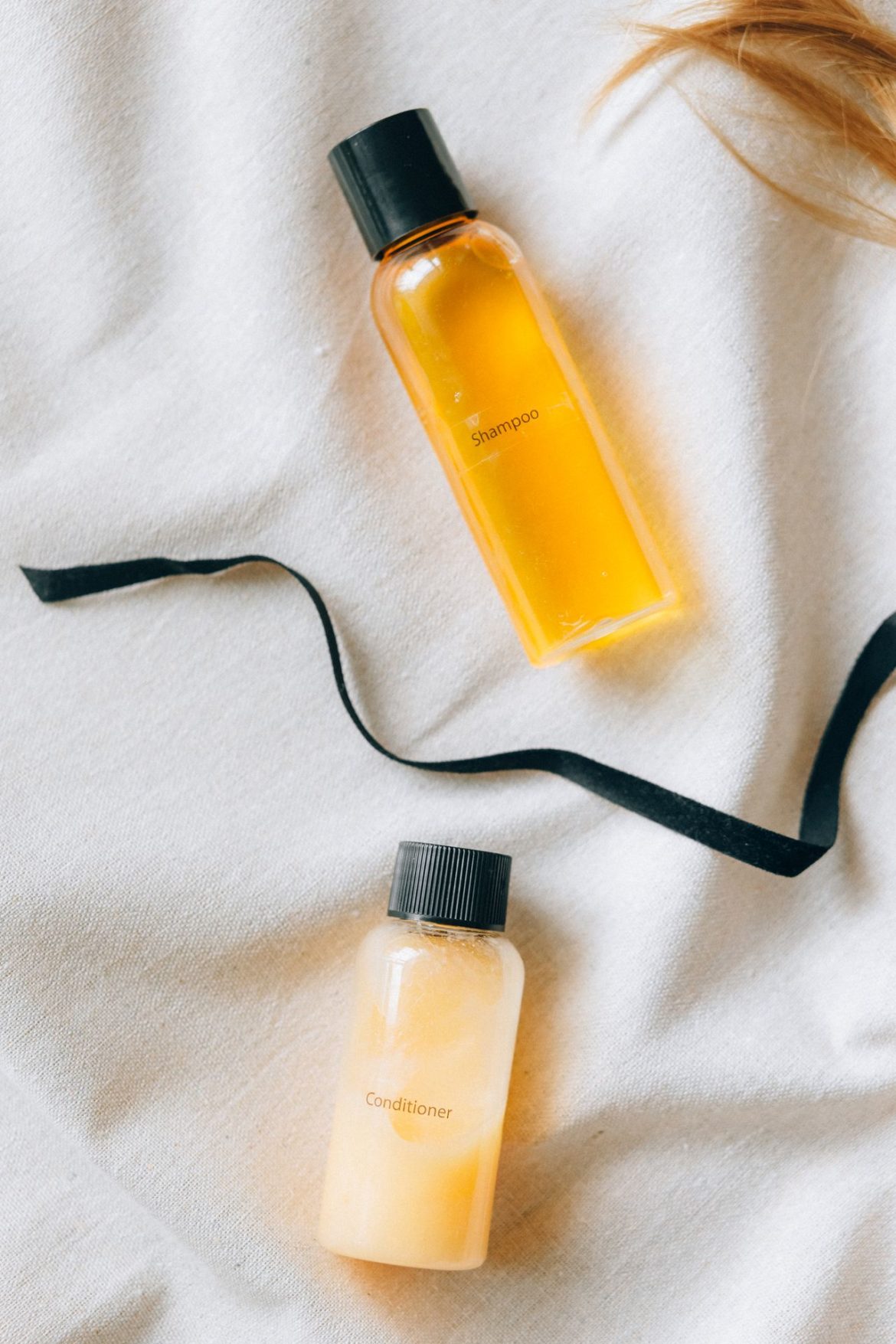
The bottle that lives on your shower shelf turns out to be considerably more useful than its primary job suggests. Shampoo is, at its core, a surfactant-based cleaner designed to lift oils, grease and debris from surfaces, and those properties translate well beyond hair. Baby shampoo, in particular, is worth keeping separately for household use: its fragrance-free, colour-free formula has gentler surfactants that make it safe for delicate surfaces and less likely to leave behind residue or odour.
Tackle kitchen grease
The same chemistry that lifts cooking oil from a scalp lifts it from a stovetop, backsplash or countertop with surprising efficiency. Apply a small amount to a damp cloth and work it into greasy surfaces with gentle pressure. The surfactants break the bond between oil and surface without the harshness of some kitchen degreasers. Rinse thoroughly afterwards.
Clean and shine chrome fixtures
Chrome taps and other chrome finishes attract fingerprints, water marks and a general dullness that standard bathroom cleaners do not always resolve cleanly. A small amount of shampoo worked into chrome with a soft cloth, then rinsed and buffed dry, removes residue effectively and leaves a surprisingly good shine. The mild surfactant action cleans without the risk of micro-scratching that abrasive products can cause.
Prevent mirror fog
Apply a small amount of shampoo to a bathroom mirror and wipe it clean with a dry cloth before a shower. The thin residual film of surfactant left behind prevents the moisture from condensing in the same way, keeping the mirror significantly clearer. This is a useful trick before anyone in the household needs to use the mirror immediately after showering.
Clean makeup and hair brushes
Makeup brushes and hairbrushes accumulate oil, product build-up and debris that regular rinsing does not fully remove. Shampoo dissolves these effectively: work a small amount through the bristles of a makeup brush with water, rinse thoroughly and reshape. For hairbrushes, soak the bristle end in warm soapy water and clean between the bristles with an old toothbrush. Baby shampoo is preferred here because its gentle formula will not irritate skin if traces remain in a makeup brush.
Lift fabric stains
Oily or greasy stains on upholstery, carpet or fabric clothing respond well to diluted shampoo applied and gently worked in with a soft brush before the stain has dried and set. Mix shampoo with water, work it into the stain with a soft brush or clean cloth, leave for a few minutes and blot clean. Test on a hidden area first for delicate or dry-clean-only fabrics.
Condition leather
A small amount of shampoo applied to a cloth and worked gently into leather shoes, a leather jacket or leather furniture lifts surface grime without stripping the material. Wipe clean with a damp cloth and allow to dry naturally. Conditioner used the same way adds an additional layer of softness to the leather after cleaning.
Mop tiled floors
Shampoo diluted in a bucket of water substitutes reasonably well for commercial floor cleaner on ceramic or porcelain tiled floors. Avoid using it on wood, stone or unsealed grout, where it can leave residue. Rinse the floor with clean water after mopping to prevent a slightly slippery surface.
Gentle laundry for delicates
For delicate fabrics that need hand-washing and a gentle touch, shampoo is a reasonable substitute for specialist woolwash products. Use a small amount in cool water, gently work it through the fabric without wringing or twisting, and rinse thoroughly. The same gentle surfactant action that protects hair from excessive stripping suits delicate fibres for occasional use.
ALSO SEE:
Featured Image: Pexels