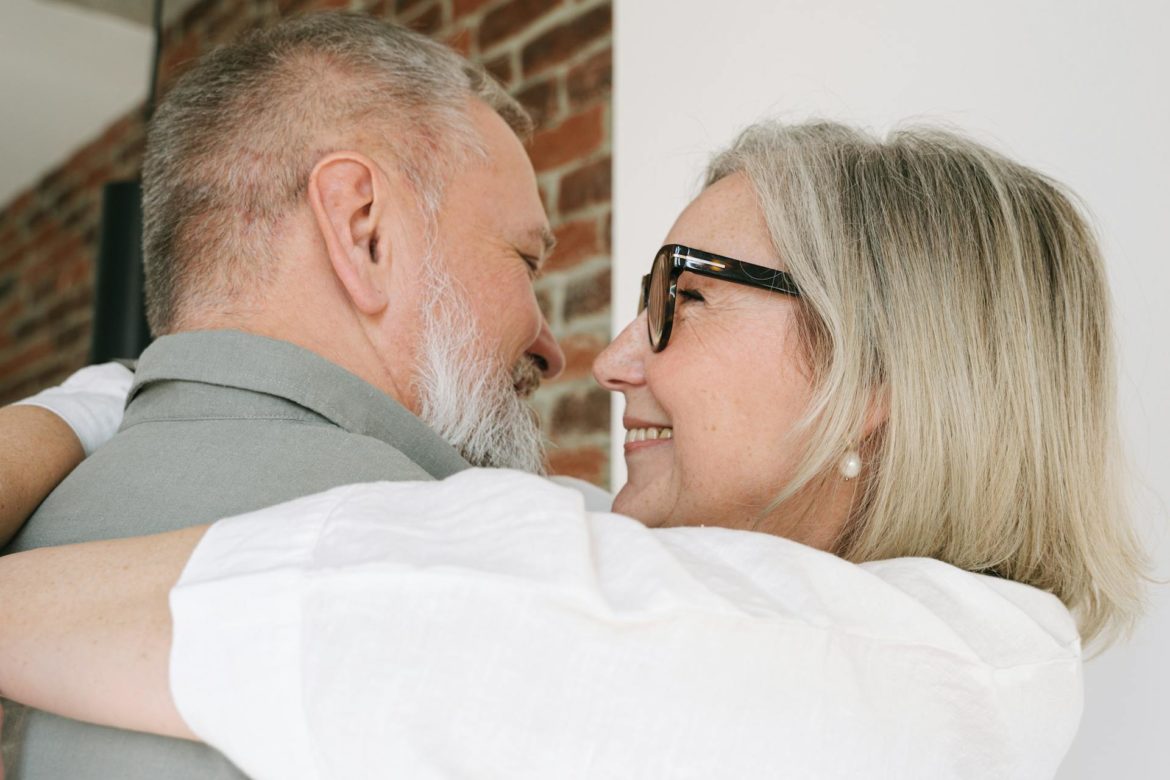
You have probably invested time in your sleep routine, your supplement stack and your exercise schedule. But research suggests the most powerful longevity tool you have is not in your medicine cabinet: it is in your contact list.
The evidence linking social connection to longer, healthier lives has been accumulating for decades, but the scale and consistency of recent findings has shifted it from feel-good observation to something closer to biological fact. People with stronger social relationships have, across multiple large studies, a fifty per cent increased likelihood of survival compared to those who are more isolated. A 2025 meta-analysis of eighty-six studies found that social isolation, loneliness and living alone are all significant risk factors for early mortality, particularly as we age. The effect is comparable in size to established health risks like smoking and physical inactivity.
What loneliness actually does to the body
The mechanism is not abstract. Isolation triggers a sustained stress response in the body: cortisol rises, blood pressure increases and the inflammatory markers associated with heart disease, stroke and certain cancers begin to climb. A 2023 study using data from a large national longitudinal study found that people with positive relationships had fewer functional limitations, lower rates of inflammation and increased longevity. Crucially, even among people with a genetic predisposition to certain diseases, those genes were less likely to be activated in people with robust social connections. Social isolation, the research suggests, is a more significant environmental trigger for disease than was previously understood.
The effect also reaches the cellular level. Telomeres, the protective caps on chromosomes that shorten each time a cell divides, are a key indicator of biological age. Research has found that telomere length is longer in people who are socially connected than in those who are isolated, suggesting that loneliness accelerates the cellular ageing process in a measurable and literal way.
Marriage and partnership matter, but quality is everything
The research on romantic relationships and longevity is consistent and striking: greater relationship quality is associated with lower mortality risk, and the effect is comparable in size to the health benefits of diet and exercise. People in happy partnerships have lower cardiovascular reactivity during conflict, better immune function and greater reported wellbeing.
But staying in a relationship for its own sake is not the answer. A difficult or critical partnership increases cortisol levels, raises blood pressure and accelerates biological ageing in exactly the same way that loneliness does. The longevity benefit comes from relationship quality, not relationship status. A supportive friendship can provide health benefits equivalent to those of a good marriage. An unhappy one can be as damaging as being alone.
Oxytocin: the bonding hormone that slows ageing
When we experience meaningful connection, the body releases oxytocin, the bonding hormone that most people associate with new love and early parenthood. What is less widely known is that oxytocin has anti-inflammatory properties that appear to protect the brain and body, and that it has been linked to telomere length and reduced cellular ageing. Positive social contact, in effect, produces a hormonal response that counteracts some of the biological effects of stress. The body rewards connection in ways that go well beyond mood.
Practical ways to strengthen your social health
Research from the National Institutes of Health suggests that adults benefit from one to three hours of meaningful social interaction daily. That sounds like a lot, but it includes everything from a conversation with a colleague to a phone call with a friend: the mix of strong and weak social ties all contributes.
If making time feels difficult, a few principles make the investment more efficient. Quality matters more than quantity: a small number of deep, trusting friendships provides more longevity benefit than a large number of superficial connections. Vulnerability, the willingness to share honestly rather than presenting only the highlight reel, is what transforms a social interaction into a meaningful one. Showing up for others, in the form of small, consistent gestures rather than grand occasional ones, maintains the relational foundation that delivers the health benefit over time. And seeking out activities and communities built around shared interests, particularly those involving movement or contribution, combines the longevity benefits of social connection with those of exercise and purpose simultaneously.
Social media, used passively as a scroll rather than a genuine connection tool, does not provide these benefits and may actively work against them. Using it intentionally, as a way to maintain contact and then convert that into real interaction, is the distinction that matters.
ALSO SEE:
Featured Image: Pexels