The average person checks their phone close to a hundred times a day. They spend hours scrolling through content they did not go looking for, receive notifications from apps they forgot they installed, and reach for the device as an automatic response to any moment of quiet. For many people, the smartphone has quietly become the primary source of both distraction and low-grade anxiety in their daily lives.
The dumb phone movement is the organised response to this. It involves deliberately limiting what a smartphone can do, removing the features and apps that make it most compelling and most addictive, and returning it to a more basic level of functionality: calls, messages, navigation and not much else. The goal is not to abandon technology but to use it on your own terms rather than on the terms set by apps designed to keep you engaged as long as possible.
Why are people doing it?
Social media platforms, streaming services and content apps are engineered for maximum engagement. Variable reward loops, infinite scroll, autoplay and notification systems all exploit the same psychological mechanisms that make gambling compelling. The more time spent in the app, the more advertising revenue is generated. Your attention is the product being sold.
The consequences of this arrangement are increasingly well documented. Heavy smartphone use is associated with reduced attention span, disrupted sleep, heightened anxiety and a fragmented sense of time. Many people report feeling unable to sit with boredom or silence without reaching for the phone, which has effectively eliminated the unstructured mental space that creativity, rest and genuine reflection require.
The dumb phone concept addresses this by removing the friction-free access to stimulation that makes the phone so hard to put down. When the phone can only do a few things, there is much less reason to pick it up compulsively.
Option one: buy an actual dumb phone
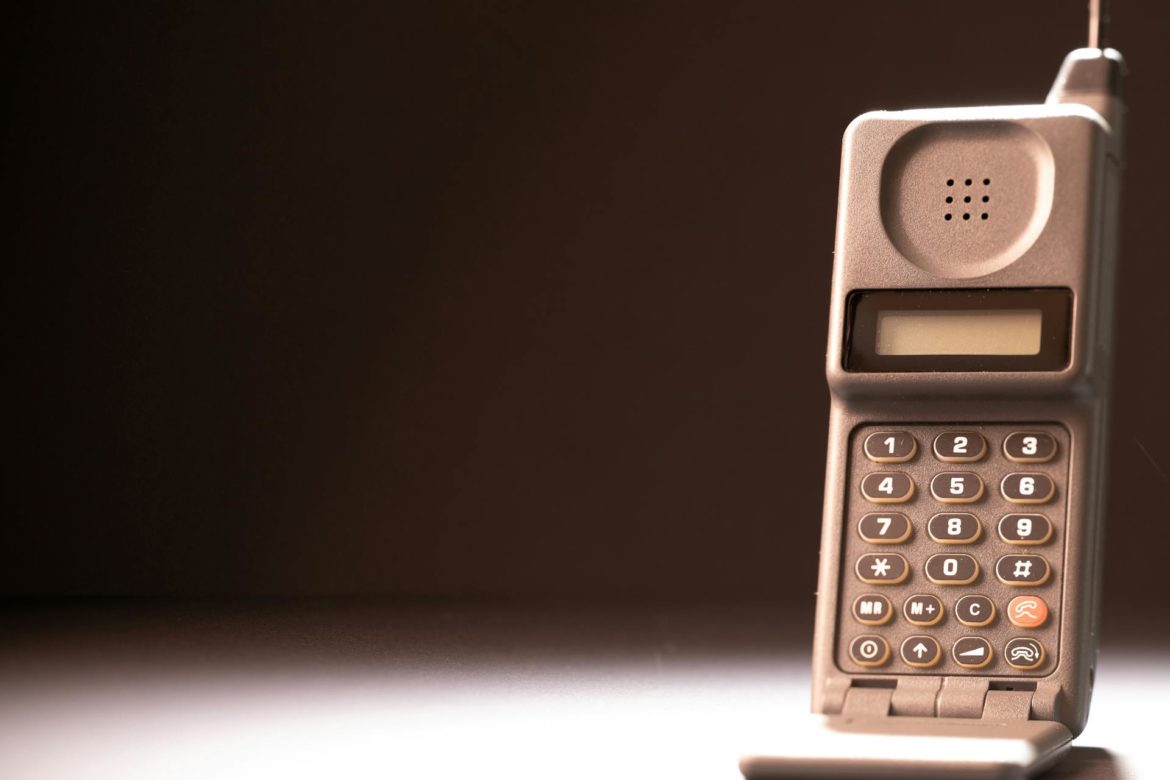
The most committed version of this approach is to replace a smartphone entirely with a basic device that only supports calls and SMS. Several companies now make intentionally minimal phones for exactly this market: the Light Phone, the Punkt MP02 and various Nokia basic models are popular choices. These devices are small, have battery life measured in days rather than hours, and offer essentially no opportunity for mindless scrolling.
This approach works best for people who use their smartphones primarily for social media and entertainment rather than for work tools like email and calendar. The transition requires some adjustment, particularly around navigation, which most people have outsourced entirely to their phone. But the reported quality-of-life improvements are significant: users consistently describe feeling less anxious, more present in conversations and more in control of their time.
Option two: strip your existing smartphone back
For most people, replacing their phone entirely is not practical. The more realistic version of going dumb phone involves systematically removing or restricting the features that make a smartphone most addictive, while keeping the genuinely useful ones.
Start by deleting social media apps entirely from the device. This is not the same as logging out or restricting usage time: deletion removes the one-tap access that makes checking habitual. If social media is genuinely necessary for work, it can be accessed through a browser, which creates enough friction to break the automatic reach-grab-scroll pattern. Email and messaging apps that are not essential can go too.
Turn off all non-essential notifications. Most notifications exist to pull you back into an app rather than to convey anything urgent. Allowing notifications only from contacts and genuinely time-sensitive services, and disabling everything else, dramatically reduces the number of times the phone demands attention throughout the day.
Switch the screen to greyscale. Colour is part of what makes apps visually compelling; a greyscale screen makes everything significantly less enticing. On most Android devices this is found under Accessibility settings, and on iOS under Display Accommodations. The effect is surprising: the phone becomes noticeably less appealing to pick up for no reason.
Move all remaining apps off the home screen into folders, leaving the home screen completely blank or with only one or two essential tools visible. The visual simplicity reduces the automatic engagement that comes from seeing app icons. Remove the phone from the bedroom entirely, using a traditional alarm clock instead, and establish specific times when you check it rather than responding to it as a continuous stream of interruption.
What to expect
The first few days of a dumb phone experiment are typically uncomfortable. The instinct to reach for the phone does not disappear immediately, and the absence of the usual stimulation can initially feel like restlessness. This is the point: the discomfort is the withdrawal from a habit that has been reinforced hundreds of times a day.
Most people who commit to the change for two weeks or more report meaningful improvements in focus, sleep quality and a general sense of calm. The phone becomes a tool again rather than a compulsion. Conversations feel more complete. Boredom, which sounds like a loss, turns out to have value: it is where the mind makes connections, generates ideas and actually rests.
ALSO SEE:
7 tips for managing the invisible mental load we carry every day
Featured Image: Pexels