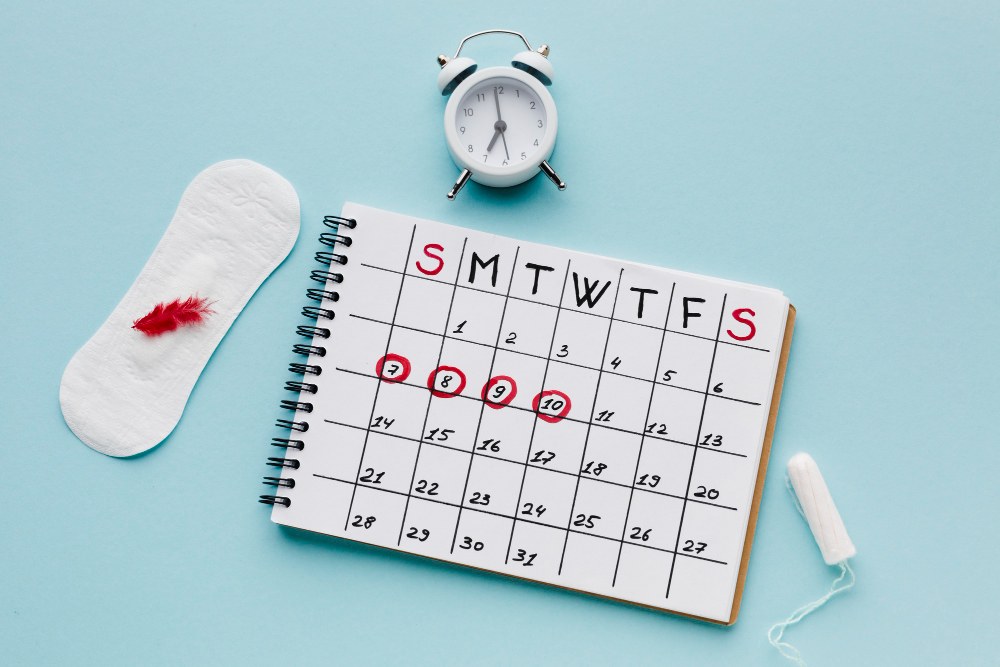
If you have not tried cycle syncing yet, now is the time. This lifestyle approach aligns your diet, workouts and daily routines with the four phases of your menstrual cycle. Instead of pushing through fatigue or low moods, this method encourages you to adapt your habits to your body’s natural hormonal shifts – helping you feel more energised, balanced and in control.
Here’s what cycle syncing is and how it helps you to work with your body, not against it:
ALSO SEE: The effects travel can have on your menstrual cycle
The four phases, explained
Every menstrual cycle is made up of four key phases, each bringing different energy levels and needs:
- Menstrual phase (days 1–5): Rest & reflect
Your energy is at its lowest, making this the perfect time to slow down. Think gentle movement like stretching or walking, nourishing meals, and prioritizing rest. - Follicular phase (days 6–14): Refresh & reset
As estrogen rises, so does your energy. This is your ‘fresh start’ phase – ideal for trying new workouts, setting goals and eating lighter, vibrant foods. - Ovulatory phase (around day 14): Shine & socialise
You’re likely feeling confident, outgoing and energised. It’s a great time for high-intensity workouts, social plans and important meetings. - Luteal phase (days 15–28): Slow down & prepare
As progesterone increases, your body begins to wind down. Focus on calming activities, balanced meals and listening to your need for rest.
How to cycle sync your lifestyle
Adjust your diet
- Menstrual: Focus on iron-rich and warming foods (leafy greens, soups, lentils) to replenish nutrients.
- Follicular: Opt for fresh, light meals (salads, fruits, fermented foods) to support digestion and energy.
- Ovulatory: Eat fibre-rich and antioxidant foods (berries, veggies, whole grains) to maintain balance.
- Luteal: Add complex carbs and magnesium-rich foods (sweet potatoes, oats, dark chocolate) to reduce cravings and support mood.
Sync your workouts
- Menstrual: Gentle movement like stretching, yoga or walking.
- Follicular: Try new workouts – light cardio, Pilates or strength training.
- Ovulatory: High-energy exercises like HIIT, running or group classes.
- Luteal: Slow it down with low-impact workouts like yoga, barre or steady-state cardio.
Plan your life around your energy
- Menstrual: Reflect, journal and rest – avoid overcommitting.
- Follicular: Start new projects, brainstorm ideas and set goals.
- Ovulatory: Schedule meetings, presentations and social events.
- Luteal: Focus on completing tasks, organising and winding down.
Why it works
Hormones like estrogen and progesterone influence everything from energy levels to mood and metabolism. By adjusting your habits to match these changes, you reduce the constant pressure to ‘push through’ and instead create a more balanced, sustainable rhythm.
Start small, stay consistent
You don’t have to change everything overnight. Begin by noticing patterns in your energy and mood, then make small adjustments – like tweaking meals, swapping an intense workout for yoga during your period, or scheduling demanding tasks during your high-energy phases. Over time, these shifts can lead to better productivity, improved emotional balance and a deeper connection with your body.
Why cycle synching matters
So many women are taught to maintain the same level of productivity every day – but our bodies aren’t designed that way. Cycle syncing helps reduce burnout, improve mood swings, and even support better digestion and sleep.
At its core, cycle syncing is about awareness and self-compassion. When you start listening to your body instead of fighting it, you create space for more ease, confidence, and well-being in your everyday life.
ALSO SEE:
Featured Image: Freepik