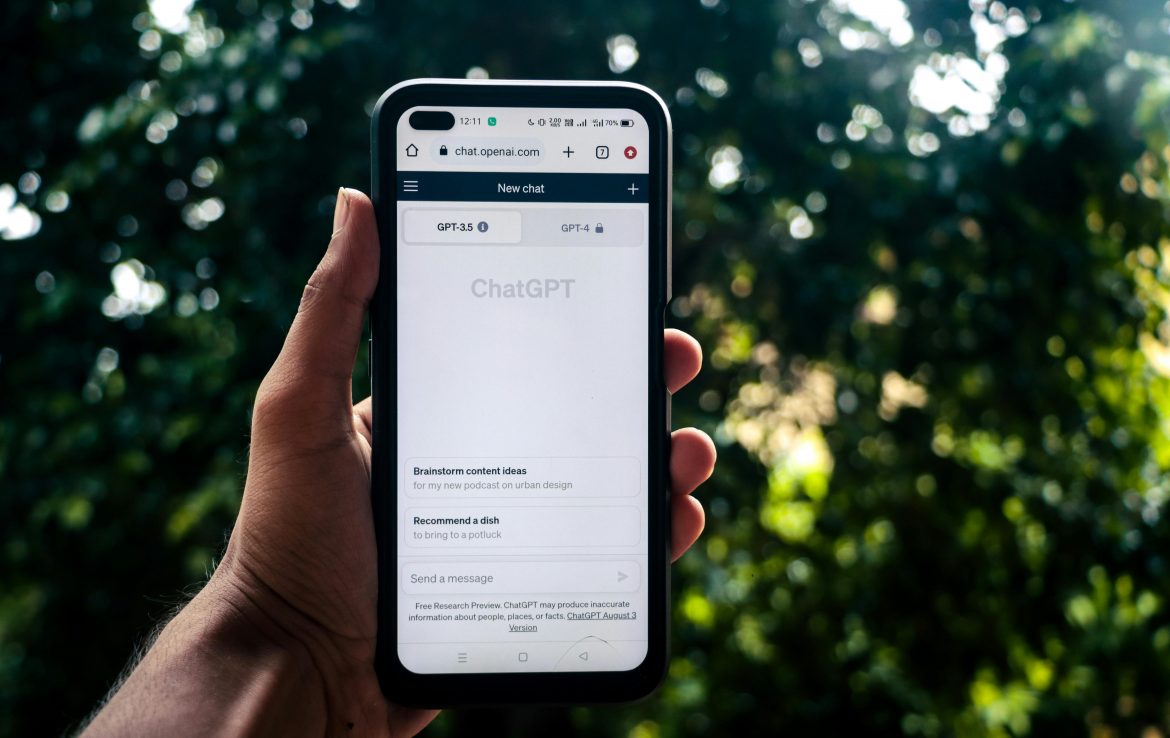
Artificial intelligence is no longer something we only use for work or tech-heavy tasks. AI is quietly becoming a daily life companion – helping us manage routines, reduce mental load and make everyday decisions feel lighter. It’s less about machines taking over and more about support showing up where it matters most.
Here’s how to use AI as a daily companion:
ALSO SEE: Why AI is the way of the future for women’s healthcare
Reducing the mental load
From organising schedules and planning meals to remembering birthdays and managing family logistics, AI is increasingly acting as a second brain. Smart assistants and personalised apps help keep track of the invisible tasks that often fall to women, creating space for focus, rest and creativity.
Personalised support, every day
Unlike one-size-fits-all tools, AI adapts. It learns preferences, habits and routines, offering suggestions that feel tailored rather than intrusive. Whether it’s recommending workouts based on energy levels, helping with budgeting, or curating content aligned with your interests, AI meets women where they are – not where an algorithm thinks they should be.
Wellness meets technology
AI’s role in wellness is expanding beyond step counting and sleep tracking. Mood check-ins, guided mindfulness, habit coaching and gentle reminders support emotional well-being without pressure. Used intentionally, AI becomes a supportive presence rather than another source of noise.
Creativity, confidence and problem-solving
Women are also using AI as a creative partner – brainstorming ideas, drafting content, planning projects and even practising difficult conversations. It’s a space to explore thoughts without judgement, building confidence before taking action in the real world.
The balance that matters
AI works best when it enhances life, not replaces it. As a daily companion, its value lies in supporting autonomy, saving time and helping women feel more in control – not overwhelmed. The future of AI isn’t cold or clinical. It’s intuitive, responsive and designed to support real life, one small moment at a time.
ALSO SEE:
Featured Image: Pexels