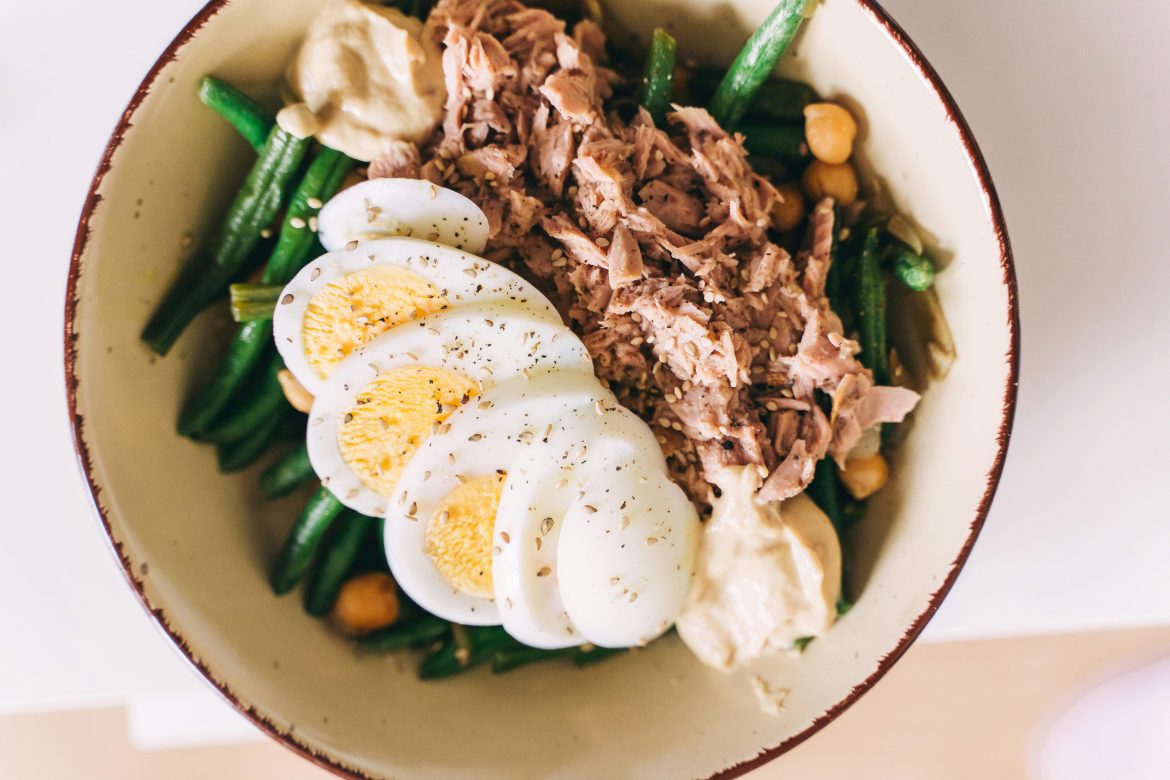
High-protein eating can be useful for muscle repair and satiety, but pushing it too far can backfire. If you are feeling off despite a “clean” routine, your protein portions may be the culprit. Here is how to spot common signs and what to tweak. This guide is not a diagnosis; speak to a health professional if you are concerned.

Pexels
You are up and down to the loo
Needing to urinate more often, especially at night, can follow very protein-heavy meals with few carbohydrates. Protein breakdown produces urea, which your kidneys excrete in urine. The more you generate, the more frequently you may need to go.
Your breath smells fruity or solvent-like
So-called keto breath can appear on very low-carb, high-protein patterns where your body shifts towards burning fat for fuel. If friends notice a sweet or nail-polish remover note on your breath, you may need to rebalance meals.
You feel blocked up
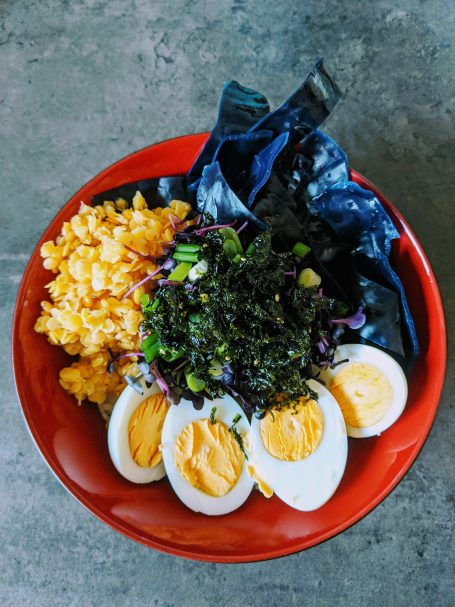
Constipation is common when protein crowds out fibre. Animal-only menus in particular can leave you short on the roughage that keeps things moving. Reintroduce vegetables, fruit, whole grains and pulses for both soluble and insoluble fibre.
Pexels
You are more dehydrated than usual
Protein metabolism increases your kidneys’ workload and can raise urine output. If you are not matching this with fluids, you may feel sluggish, headachy or foggy. Keep water close and pace your intake through the day.
The scale is creeping up
Extra protein is not automatically converted to muscle. Without the right training stimulus and overall balance, surplus kilojoules are stored as fat. Choose lean sources, watch portion size and keep total energy intake in view.
Your energy is flat
Very low carbohydrate intake can leave you drained. Your brain runs well on steady glucose from quality carbs. If you are constantly tired or foggy despite sleeping well, bring back whole-food carbohydrates such as oats, brown rice, beans, fruit and veg.
How to rebalance without starting from scratch
Keep protein at each meal, but let vegetables, fruit and whole grains reclaim plate space. Sip water regularly, not just at the gym. If night-time loo trips or fatigue persist, ask your GP or a registered dietitian to review your targets, especially if you train hard or have kidney or heart concerns.
ALSO SEE:
Healing your relationship with exercise – From punishment to partnership
Featured Image: Pexels
This article was originally written by Annemieke van Nieuwkerk for Food&Home.