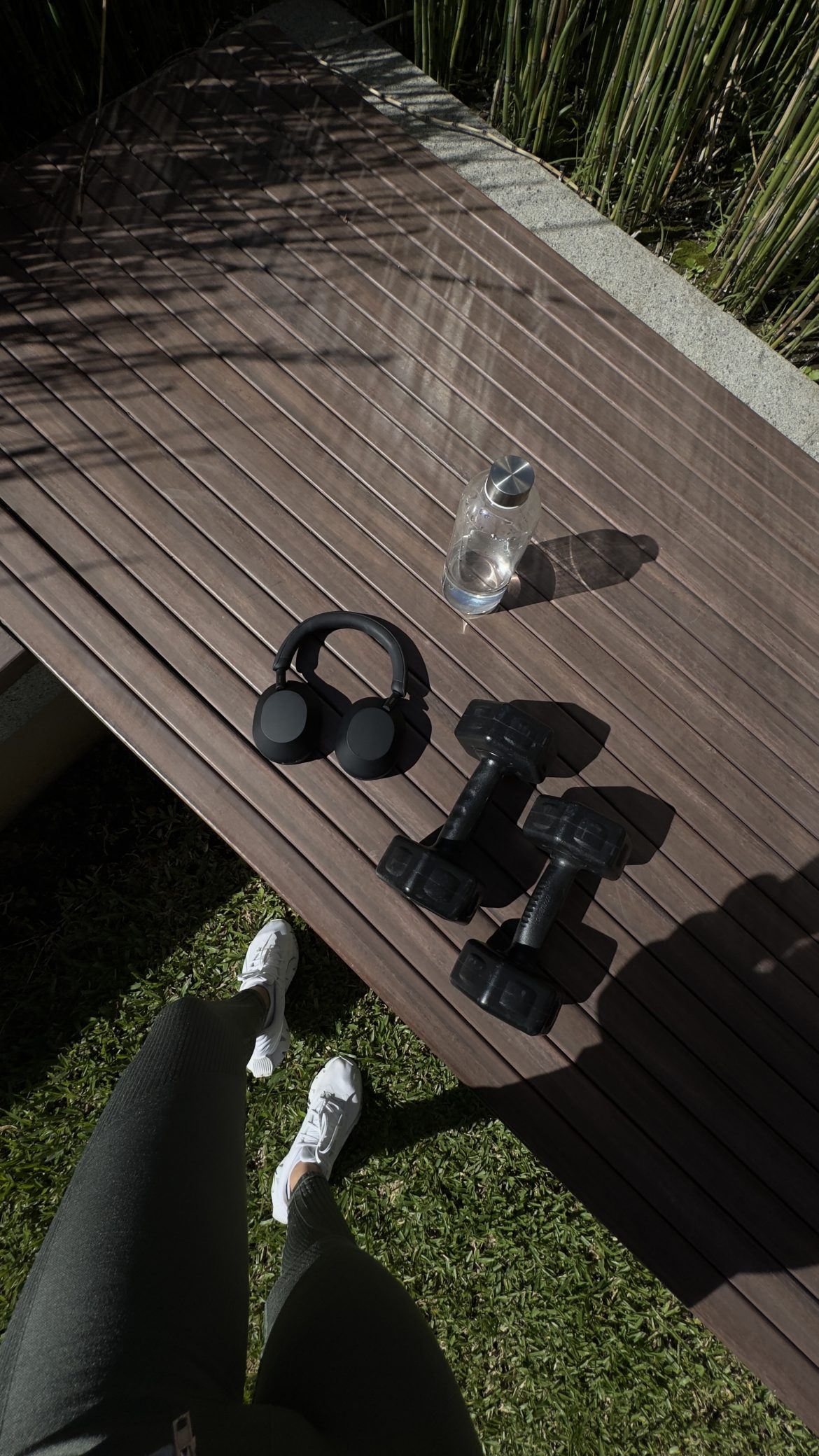
Fitness has been sold to us as something that must dominate our lives to be effective. Early mornings, rigid schedules, all-or-nothing routines, and a quiet sense of guilt when we “fall off.” But what if the most sustainable, healthy approach to fitness isn’t about restructuring your entire life around it — but allowing movement to support the life you already have?
Welcome to a more realistic, calmer way of thinking about fitness.
The problem with building your life around fitness
Traditional fitness culture often glorifies extremes. Five-day workout splits, strict meal plans, step counts that feel impossible on busy days, and the idea that missing one workout means failure. The result? Burnout, inconsistency, and an unhealthy relationship with movement.
When fitness becomes another source of pressure, it stops being beneficial. Instead of energising you, it drains you. Instead of supporting your mental health, it adds stress. And ironically, this is when people are most likely to give up entirely.
Fitness should enhance your life — not compete with it.
Fitness that fits your life is fitness you’ll actually stick to
Pro tip: The most important rule of fitness is simple – consistency beats intensity.
A routine that fits into your lifestyle — your work schedule, energy levels, social life, and emotional needs — is far more powerful than a “perfect” plan you can only follow for two weeks.
That might look like walking instead of running because it feels gentler and more enjoyable, three workouts a week instead of six, shorter sessions that leave you energised, not exhausted or choosing movement based on how you feel that day.
When fitness works with your life, it becomes something you return to — not something you avoid.
Movement should support your energy, not deplete it
Your body isn’t a machine, and your energy won’t look the same every day. Hormonal cycles, stress, sleep, work demands, and emotional load all affect how much you can give.
Fitness that fits your life can look like low-energy days that means stretching, Pilates, or a slow walk , high-energy days that means strength training or a more intense workout or rest days are seen as productive, not lazy.
Listening to your body isn’t weakness — it’s intelligence.
Let go of the “All or Nothing” mindset
One of the biggest barriers to long-term fitness is the belief that if you can’t do everything, you might as well do nothing. This mindset keeps people stuck.
Ten minutes of movement counts. A walk around the block counts. Gentle stretching counts. Choosing to move in any way is a win — especially on hard days.
Fitness that fits your life is flexible, forgiving, and realistic.
Fitness is a tool, not a personality
You don’t need to identify as “a gym person” or “a runner” to be fit. Movement doesn’t have to be aesthetic, impressive, or Instagram-worthy. It simply has to serve you.
Fitness can be a way to manage anxiety, a form of self-respect and self care, time to reconnect with your body or a moment of calm in a busy day.
When you stop treating fitness as something you must prove, it becomes something you can enjoy.
Redefining what a “fit life” really looks like
A fit life isn’t about perfection. It’s about:
- Feeling strong enough to handle your days
- Having energy for the people and experiences you love
- Supporting your mental and physical health long-term
- Moving in ways that feel aligned with your values
Fitness should be sustainable, adaptable, and kind — especially in seasons where life feels full.
You don’t need to build your entire life around fitness to be healthy. You simply need movement that meets you where you are.
When fitness fits your life, it stops being a chore — and starts becoming a form of care.
And that’s the kind of routine worth keeping.
ALSO SEE:
Featured Image: DupePhoto