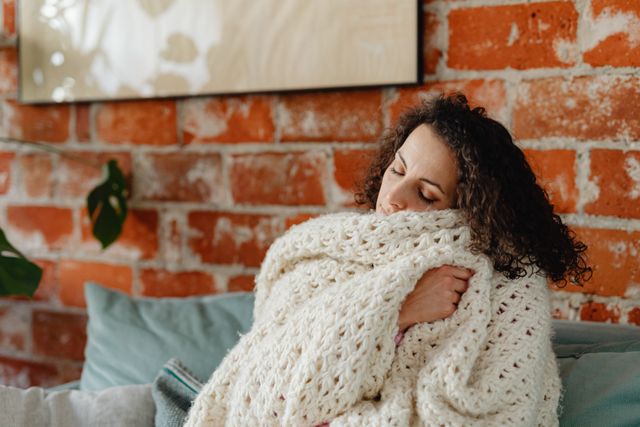
Noticing you’re getting colder as you age? It’s quite common. This is why it happens, how to make sure it doesn’t affect your life too much, and when to seek help.
ALSO SEE: How to match your workouts to your hormonal phase
Many women have noticed themselves getting colder as they age, especially from midlife and onwards. Suddenly, they’re reaching for a cardigan or blanket more often, while everyone else seem fine. While it can be frustrating, it’s quite normal and there are very real reasons why bodies struggle to stay warm.
Hormonal changes
Oestrogen helps the body regulate temperature and supports proper circulation. This hormone declines in perimenopause and menopause, so it’s one of the biggest culprits. As levels decline, blood vessels constrict moer easily, reducing blood flow to the extremities – even in a warm room.
Ironically, menopause also causes hot flushes – so some women swing between these two states throughout the day.
Slowing down of metabolism
Our metabolism slows down as we age, so the body produces less heat at rest. At the same time, many women lose muscle mass after the age of 40. Muscle generates heat much better than fat, so having less of it can make staying warm more difficult.
Regular strength training can help with muscle preservation and can improve tolerance to colder temperatures over time.
Circulation changes with age
Ageing also affects circulation. Blood vessels are less flexible and health conditions like diabetes or high blood pressure can also impact blood flow. When less warmth reaches your extremities, the hands and toes are the first to feel cold.
Could it be something else?
Sometimes it’s not an age issue, though. You might have an underlying health condition, including an underactive thyroid, vitamin B deficiency or anaemia. Certain medications can also make you feel colder.
If your symptoms are new and accompanied by dizziness, fatigue, weight changes or shortness of breath, speak to a medical professional.
Simple ways to stay warm
There are easy habits you can cultivate to support circulation:
- Stay active
- Build muscle through resistance training
- Eat enough protein- and iron-rich foods
- Keep your home comfortably warm
- Dress in lightweight layers
- Stay hydrated
The bottom line
Feeling colder with age is common but it doesn’t have to affect your quality of life. Understand what’s happening in your body, stay comfortable, and know when it’s time to seek medical help.
ALSO SEE:
How to cook and freeze fresh vegetables for healthier meal prep
Featured image: Pexels