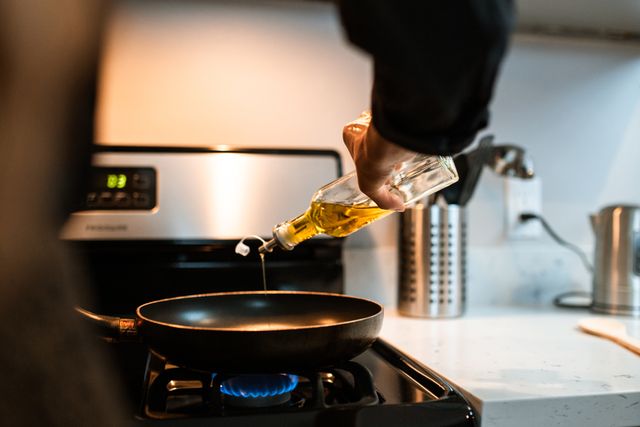
Seed oils have had a bad rep for quite some time, in part thanks to online criticism. But what’s the real truth about seed oils? And what are the other factors to consider? Here’s what nutrition experts say, and what to use instead should you wish to cut them out.
ALSO SEE: How to cook and freeze fresh vegetables for healthier meal prep
You may have heard that seed oils cause inflammation, chronic disease and weight gain. It’s become one of the most debated ingredients in modern nutrition. But the reality is, it’s a lot more nuanced than that.
Seed oils include oils that’s extracted from seeds like sunflower, canola, corn, soybean and grapeseed. They’re widely used in home cooking and processed foods because they’re affordable, perform well during cooking and have a neutral flavour.
Why are seed oils so controversial?
The debate mainly centres on their omega-6 fatty acid content. Omega-6 fats are essential nutrients, which the body needs for brain function, growth and cell health. The issue is that critics argue that modern diets contain too much omega-6 and too little omega-3. This is thought to create an imbalance that may promote inflammation.
However, there’s no current scientific evidence to support the idea that seed oils are inherently harmful when eaten in a balanced diet. Many studies have actually found that replacing saturated fats (like butter) with unsaturated plant oils may help improve cholesterol levels and support heart health.
The real issue isn’t always the oil
Seed oils’ bad reputation comes from the fact that it’s commonly found in ultra-processed foods such as crisps, pastries, fast food, frozen meals, and packaged snacks. These foods are often quite high in refined carbohydrates, added sugars and salt, so therefore it’s difficult to separate the effects of the oil from the product itself.
Instead of focusing on cutting out seed oils completely, nutrition experts recommend limiting ultra-processed foods and rather preparing more meals at home.
Healthier oils to keep in your kitchen
If you do want to eliminate seed oils, there are of course excellent option to replace them with:
- Extra-virgin olive oil: Rich in heart-healthy monounsaturated fats and antioxidants, it’s perfect for salad dressings, roasting and everyday cooking over moderate heat.
- Butter and ghee: They add lovely flavour, but enjoy them in moderation because they’re higher in saturated fat.
- Avocado oil: This has a naturally high smoke point, and is great for stir-fries, roasting and grilling while providing healthy unsaturated fats.
- Canola oil: Despite online criticism, canola oil is low in saturated fat, making it a practical and affordable everyday cooking oil.
The bottom line
You don’t have to fear seed oils. Remember that your overall eating pattern matters more than any single ingredient. Consume a variety of healthy fats, whole foods and plenty of fruits and vegetables, and limit ultra-processed foods. The best oil is one that helps you prepare nutritious and delicious meals.
ALSO SEE:
Featured image: Pexels