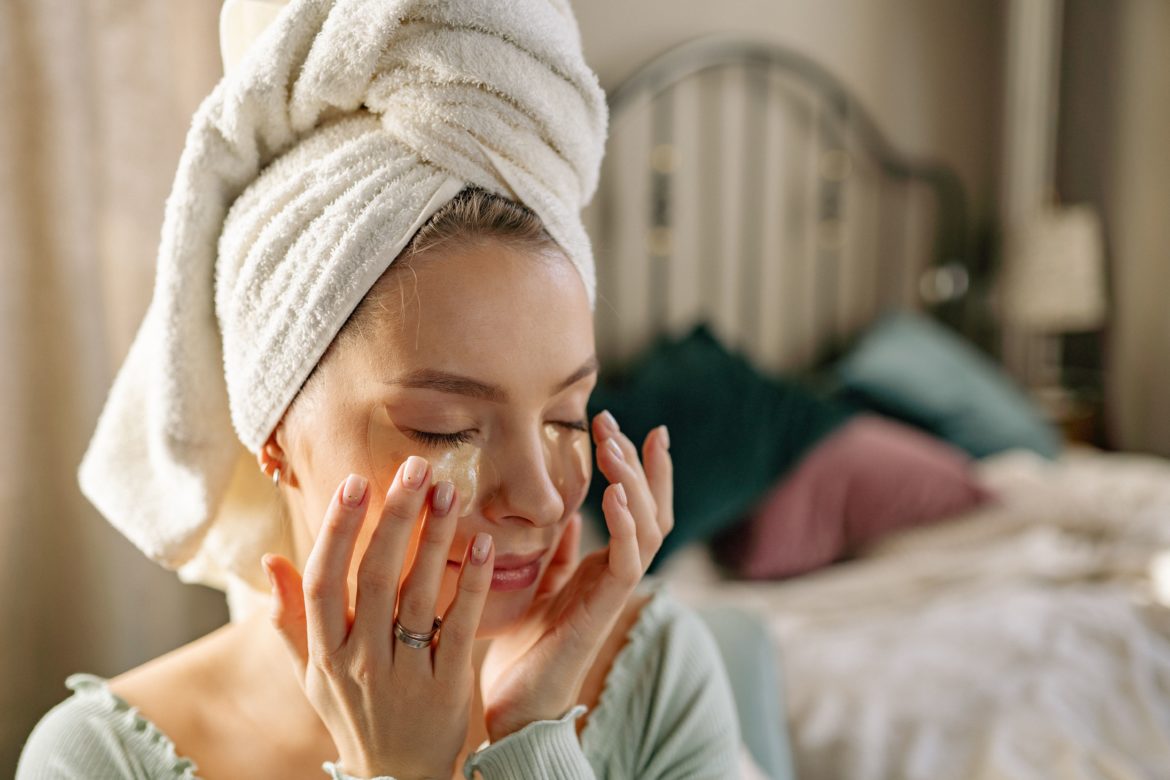
The term “looksmaxxing” has been popping up all over social media lately, but it is essentially just a new name for what used to be called a makeover. Gen Z has brought looksmaxxing into mainstream conversation, though there is one main difference in how the concept is used today. A traditional makeover was usually a quick, once-off style change, whereas looksmaxxing treats personal appearance like an ongoing, step-by-step project. Is it worth trying, or is it just another passing online trend?
ALSO SEE: The ultimate guide to spring beauty essentials
While some parts encourage simple, healthy self-care, other sides of it push things a bit too far. Here is what looksmaxxing actually means and how to navigate it safely.
Where the term actually comes from
While Gen Z popularised the trend on TikTok, the word “looksmaxxing” actually started years ago on niche internet message boards used by “incels” (involuntary celibates) and men-only online groups. The ending “-maxxing” comes from video games, where players try to “maximise” a character’s strength or points to get the highest score possible.
In these online groups, men started applying that same video game logic to human bodies. They treated physical appearance like a step-by-step game, closely studying things like jawlines, facial features, and body shapes to work out how to look more attractive. Over time, social media took this obscure online concept, cleaned it up, and turned it into the everyday beauty and makeover trend we see today.
What looksmaxxing actually involves
At its core, looksmaxxing is split into two very different approaches:
• Softmaxxing: Safe, simple habits focused on everyday self-care. This includes building a consistent skincare routine, finding a haircut that suits your face shape, improving your posture, prioritising sleep, staying active, and dressing in clothes that make you feel good.
• Hardmaxxing: Invasive or extreme choices aimed at completely changing how you look. This covers cosmetic surgery, invasive procedures, and risky DIY beauty hacks.
The benefits of sticking to the basics
• A natural confidence boost: Taking time for your skin, wardrobe, and fitness helps you feel more comfortable in your own skin.
• Better daily health: Eating well, drinking enough water, exercising, and getting good sleep benefit your overall physical health, not just how you look.
• Feeling put-together: Clean grooming and well-fitting clothes help you look polished and feel prepared for whatever your day brings.
What to watch out for
• Over-analysing your appearance: Spending too much time looking for tiny flaws or comparing yourself to edited photos online can quickly hurt your self-esteem.
• Unsafe internet trends: Strange DIY hacks—like aggressive jawline gadgets or harsh home skin treatments—can cause actual damage.
• Forgetting what really matters: Glowing skin and a great outfit are lovely, but they cannot replace genuine inner confidence, kindness, and mental well-being.
Focus on gentle daily habits that protect your mental well-being and make you feel good—real beauty is about sustainable self-care, not chasing risky online trends.
ALSO SEE: