The colder months bring with it dampness and humid conditions, and also poorer ventilation as our homes stay closed most times – conditions in which mould can grow. The following plants are natural mould fighters and can bring new life to your space.
ALSO SEE: Winter plant care guide
Winter creates the perfect environment for mould to thrive in homes. They’re damper, colder and less ventilated. Houseplants cannot completely eliminate mould, but certain varieties can absorb excess moisture from the air. This significantly improves the air quality. The result is a home that feels fresher and healthy, and maybe just a little more alive.
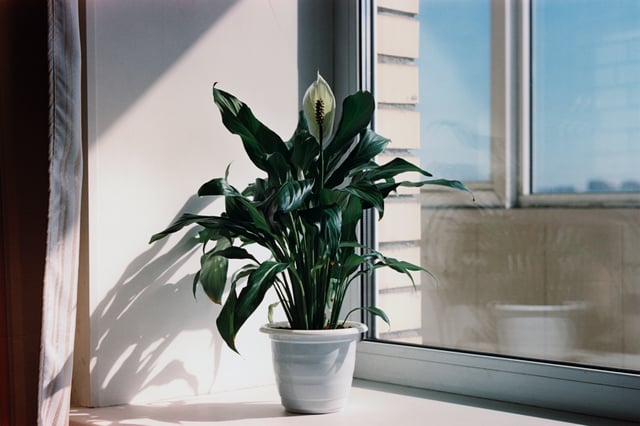
Peace lily
The peace lily has the amazing ability to pull mould spores from the air. Place it in humid areas like the bathroom or kitchen – it thrives in low-light conditions common in winter. The glossy leaves also give it a soft, elegant and calm feel.
Tip: Keep away from pets as the leaves can be dangerous when ingested.
Rosemary
Rosemary does well in winter and it can double as a culinary ingredient. This fragrant herb prefers dry air and helps prevent damp air in kitchens.
Tip: Rosemary is also susceptible to mould so keep in ventilated areas.
Snake plant
What makes the snake plant ideal is that it’s low-maintenance – it requires little watering and can withstand colder temperatures. They filter airborne pollutants and release fresh oxygen at night, so they’re great for bedrooms.
Tip: Water approximately 4 to 8 weeks in winter.
English ivy
This plant is quite effective for its air-purifying qualities and its ability to reduce airborne mould particles. It grows well in winter especially in rooms with indirect lighting. Its trailing vines also make for a stylish element.
Tip: The leaves are toxic so keep out of reach of kids and pets.
Areca plant
This feathery plant act as a natural humidifier – by lowering the humidity levels in a room, it makes it harder for mould to grow. It prefer indirect, bright light, and it can bring a tropical feel into your living rooms in winter.
Tip: They’re sensitive to chemicals and salts in tap water, so use distilled or rain water.
Boston fern
Boston ferns are great for damp areas in the house as they naturally love humid environments. They absorb moisture through their leaves and work well in enclosed patios and bathrooms.
Tip: Keep the soil lightly moist to prevent drying out.
Persistent mould will need a professional to sort out ventilation or damp problems. But otherwise, these plants can help reduce excess moisture, keeping your home fresh.
ALSO SEE:
Feng shui houseplants: the best plants, where to place them, and how to keep them happy
Featured image: Pexels