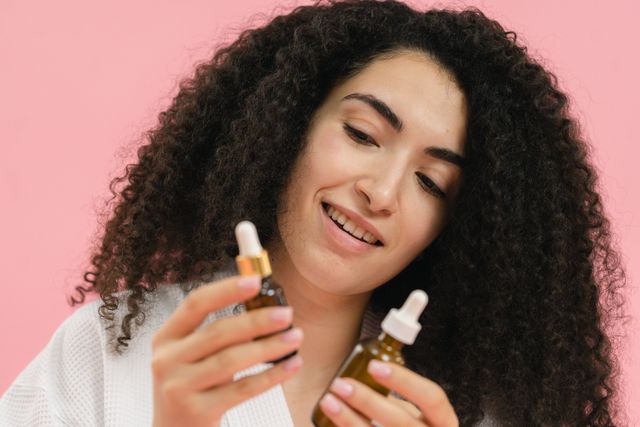
There are different skincare ingredients for different skin needs. Learn the difference between humectants vs emollients, and how to know which is right for your specific skin type and needs.
ALSO SEE: Lymphatic drainage facials: what they really do
It can be overwhelming learning to read a skincare ingredients list, but it’s important to understand so you can meet your skin’s needs. There are two terms worth knowing: humectants and emollients. Both are vital for keeping the skin healthy but they work differently to improve hydration, texture and softness.
What are humectants?
Humectants are ingredients that attract and bind water – they hydrate the outer layer of the skin. They draw moisture from the surrounding environment or the deeper layers in the skin, depending on the formulation and conditions.
Common examples are hyaluronic acid, glycerin and urea. Glycerin helps the skin retain water, and hyaluronic acid helps with hydration, making the skin look plumper.
So if you have dehydrated skin, which lacks water and may appear dull, feel tight and show noticeable fine lines, humectants are a great option for you. Also keep in mind that having excess oil doesn’t mean your skin has enough moisture, so oily skin can also become dehydrated.
What are emollients?
Emollients help to smooth and soften the skin by filling the spaces between skin cells in the outermost layer. This improves texture and support the protective barrier.
Common examples are squalane, shea butter, fatty acids and certain plant oils. Ceramides, which are natural lipids found in the skin barrier, are valuable ingredients in moisturisers because they help retain its structure.
Emollients are particularly useful for dry, flaky or rough skin. They make the skin feel more supple by replenishing or supporting the lipids that help keep the outer layer intact.
Emollients are not the same as occlusives and this is important to note. Occlusives reduce moisture loss and examples are petrolatum and mineral oil. Many moisturisers will contain a combination of all these ingredients.
Which one does your skin need?
- Dehydrated skin: Look for humectants like hyaluronic acid and glycerin
- Dry, flaky skin: Look for emollients like ceramides or shea butter
- Oily and combination skin: Lightweight, non-comedogenic moisturiser with humectants and suitable emollients to provide hydration without the heaviness
- Mature skin: Try a moisturiser that combines humectants and barrier-supporting ingredients
The bottom line
Ultimately, the skin needs both hydration and a well-supported skin barrier. Understanding the difference between humectants and emollients can help you choose a moisturiser that’s just right for you.
ALSO SEE:
Featured image: Pexels